







Drawing / DFM Quote / RFQ Tooling / Die Casting / Pour CNC Machining Finishing Inspection / Caliper NDT / X-ray Shipping Customs / Import Lead Time One U.S. Contact Quality Assured ISO 9001 Certified Certificate of Conformance Audit Ready Hardness / NDT Quality Cost / Landed Fit U.S. Managed Die Casting Sand Casting CNC Machining Sheet Metal Metal Injection Molding Investment Casting Automotive Medical Defense Heavy Machinery Industrial Equipment Oil & Gas Construction Agriculture Energy Aerospace Alloy / Metal

CNC Machining Services

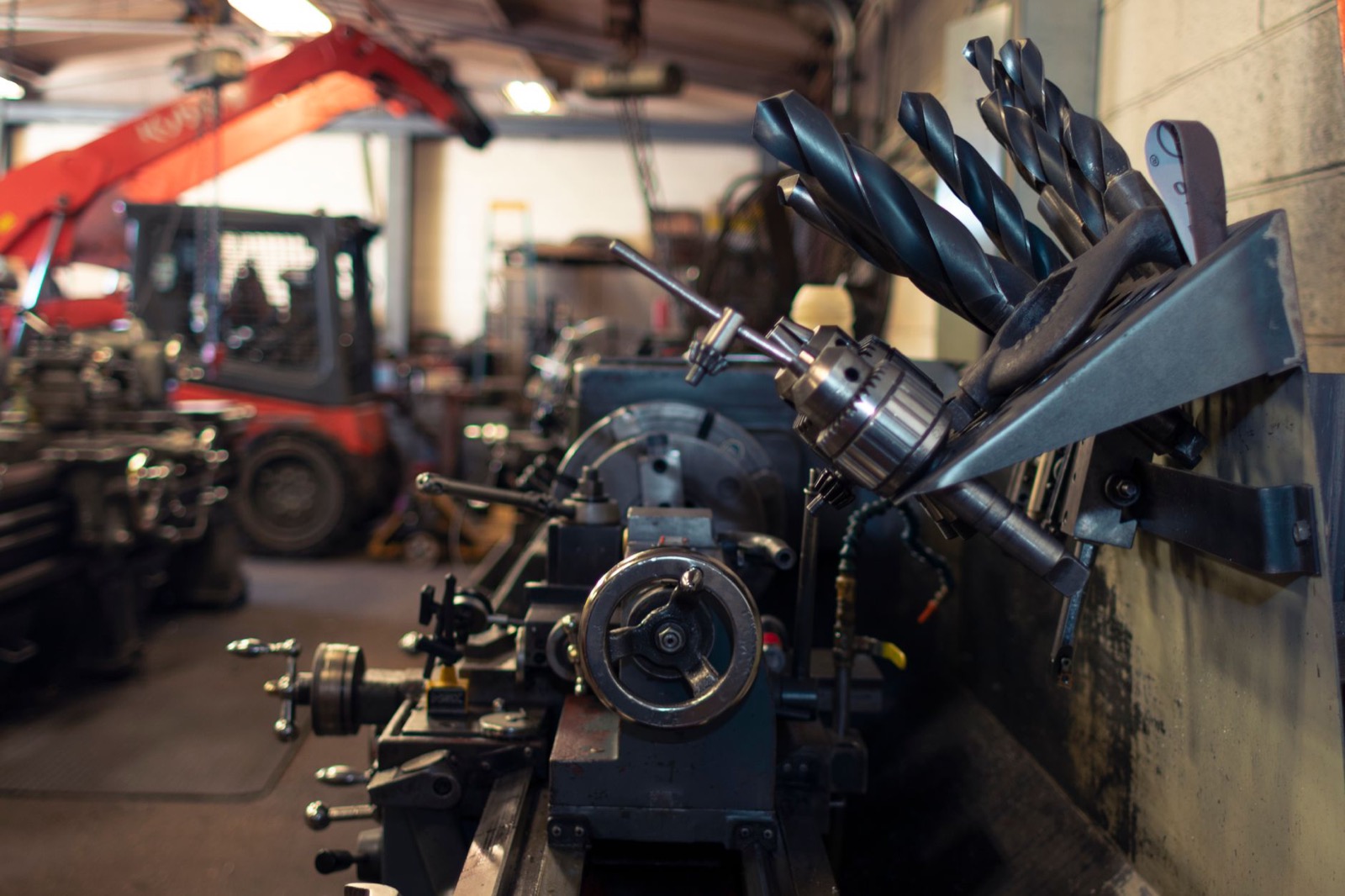
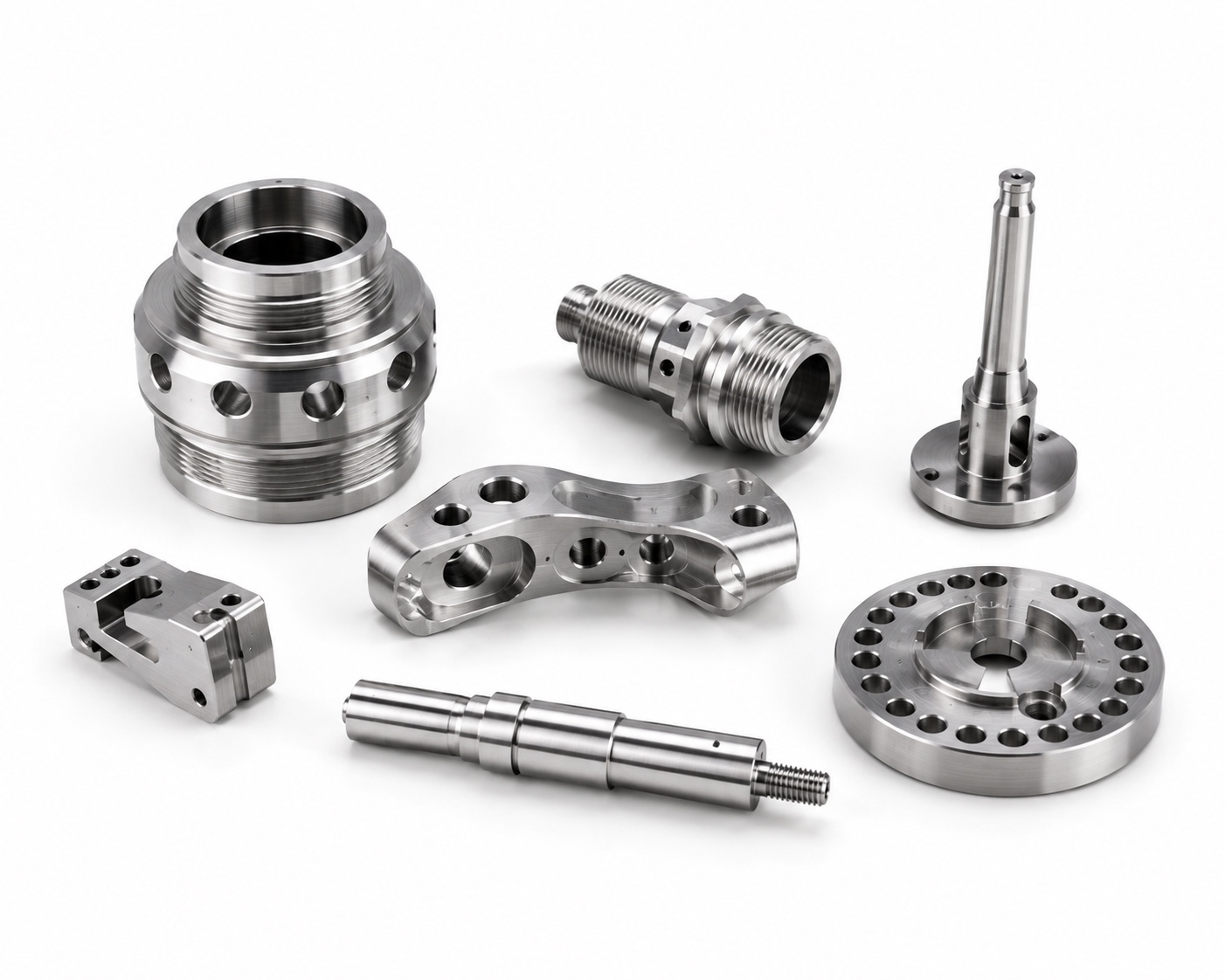
3, 4, and 5-axis CNC machining, milling, and turning from ISO 9001 and IATF 16949 certified facilities. Computer numerical control machining is a subtractive manufacturing process that cuts metal and plastic stock into finished parts to tight tolerances.

Trusted by Programs across Tier 1 suppliers, Fortune 500 OEMs & hardware startups
  • Honda
  • Libman
  • Mahindra
  • Meyer
  • MIT
  • Amazon
  • Bloom Energy
  • Circor
  • Halliburton
  • Honda
CNC Machining capabilities

Technical Capabilities

Review core cnc machining capabilities, materials, tolerances, inspection methods, and production requirements before requesting a quote.

Production envelope · Verified
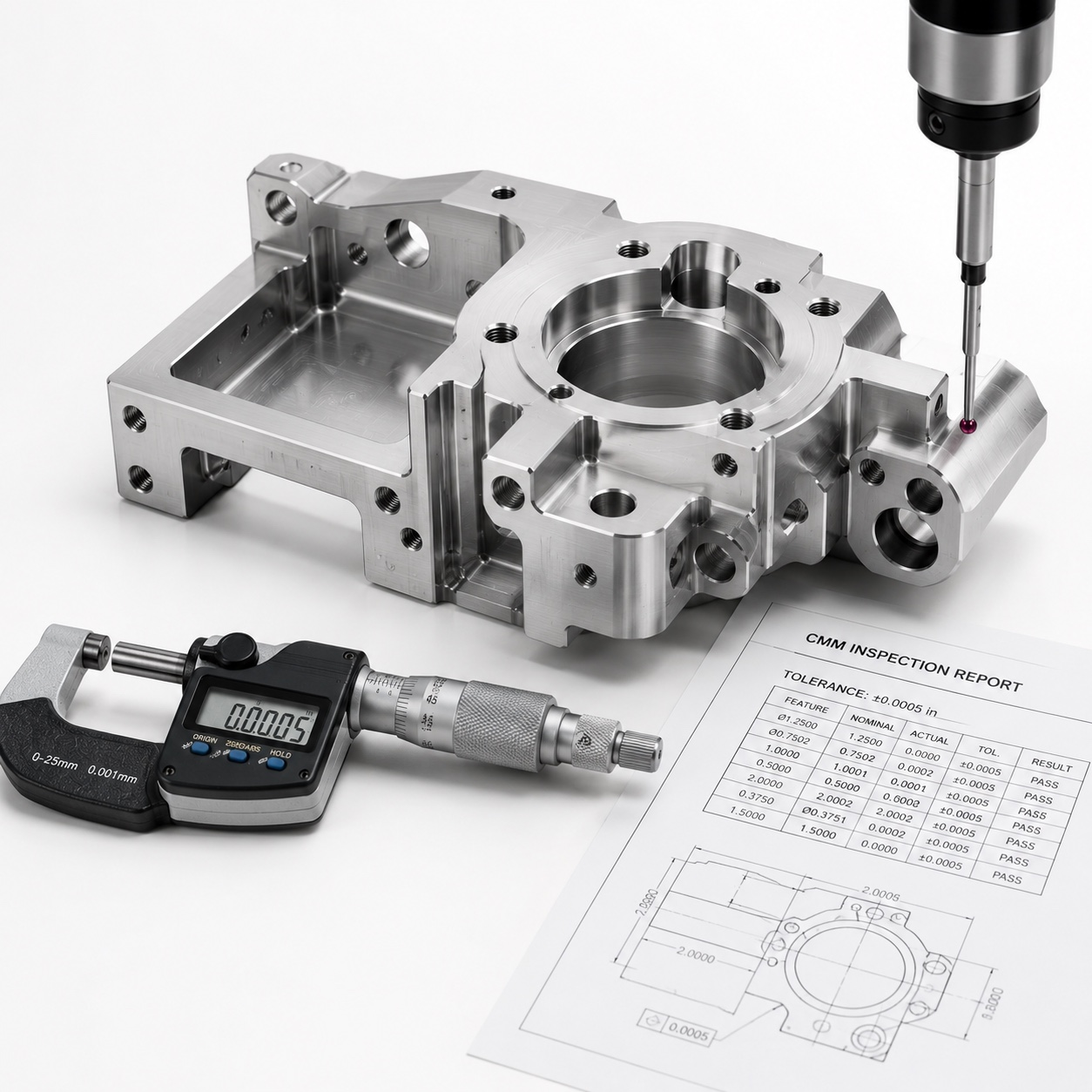
On critical features 01
±0.0005"
Milling and turning 02
3-5 axis
Aluminum, steel, stainless, titanium, plastics 03
5 materials
Materials
Aluminum (6061, 7075), carbon steel, alloy steel, stainless steel (303, 304, 316), titanium, brass, copper, and engineering plastics including POM (Delrin), PTFE, PEEK, polycarbonate, nylon, ABS, PVC, and HDPE polyethylene
Process
CNC milling and turning, 3, 4, and 5-axis
Request a Quote

See Our Process Or same-day technical feasibility review

CNC Machining Routes

01 / 11
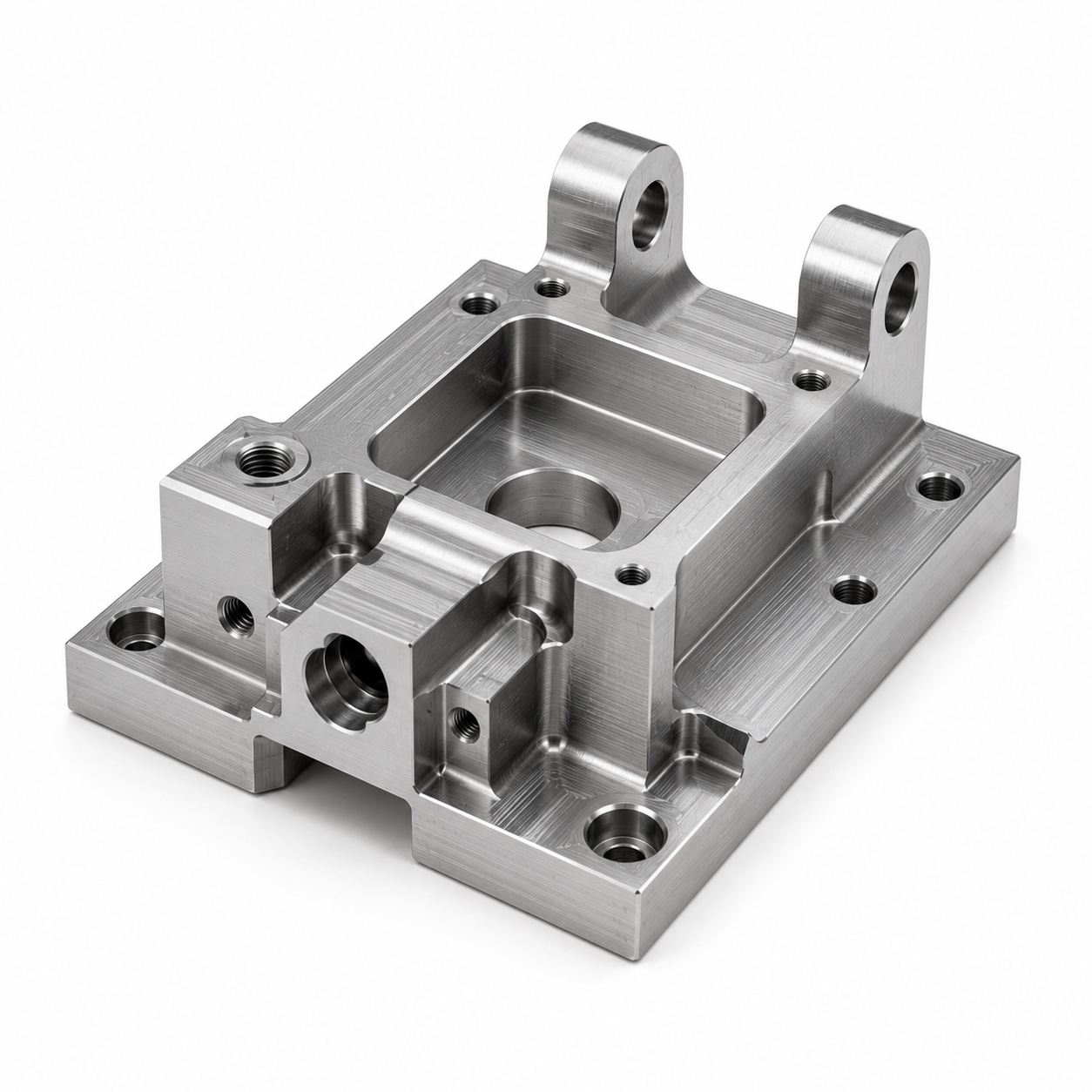
  1. 5-Axis CNC Machining ACM-01
    Route 01

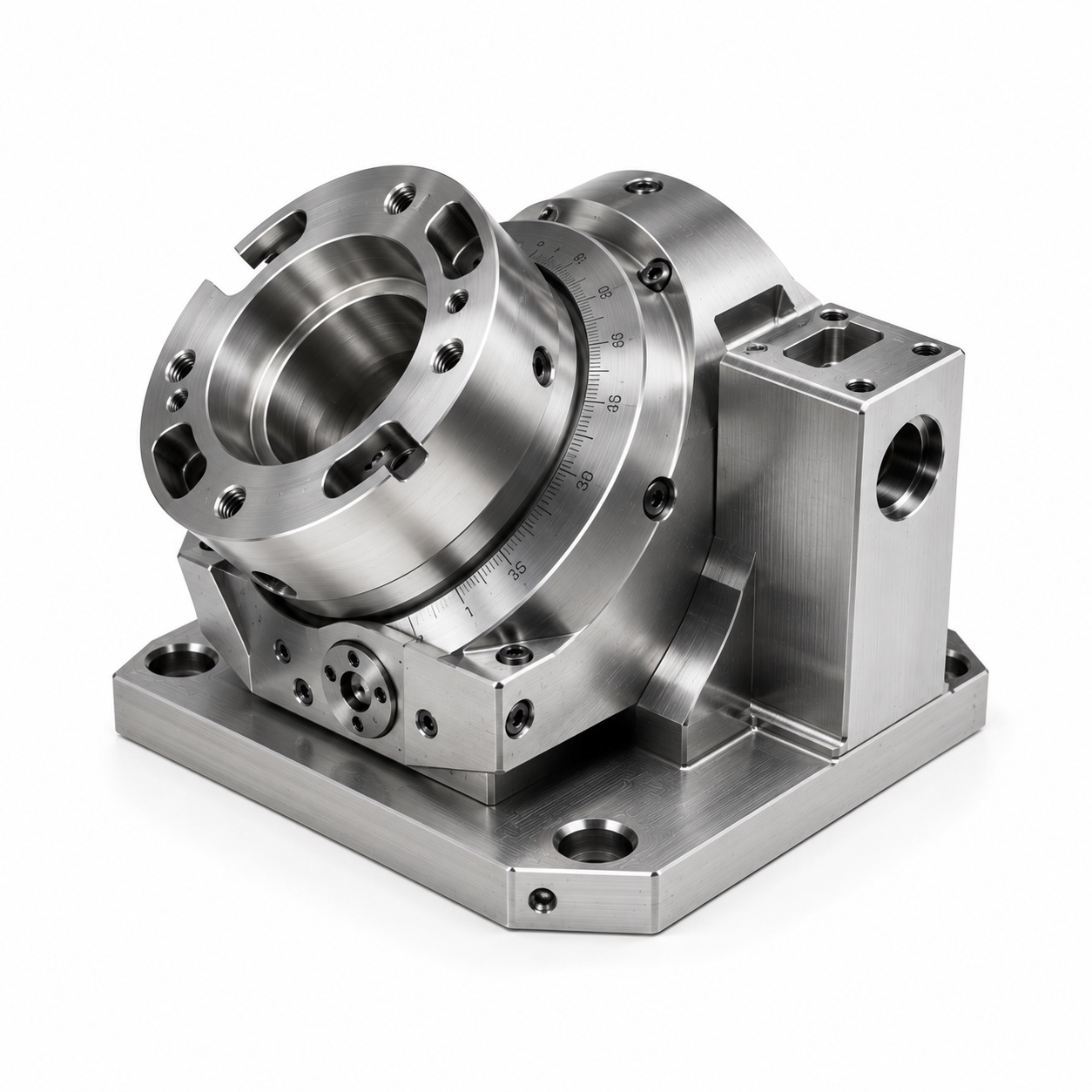
    5-Axis CNC Machining

    Complex geometry cut in a single setup with CMM verification on critical features.

    View capability
  2. 3-Axis CNC Machining ACM-02
    Route 02

    3-Axis CNC Machining

    Milling and drilling on three axes for flat faces, pockets, and prismatic parts.

    View capability
  3. 4-Axis CNC Machining ACM-03
    Route 03

    4-Axis CNC Machining

    Indexed and continuous rotary work for features around a part in fewer setups.

    View capability
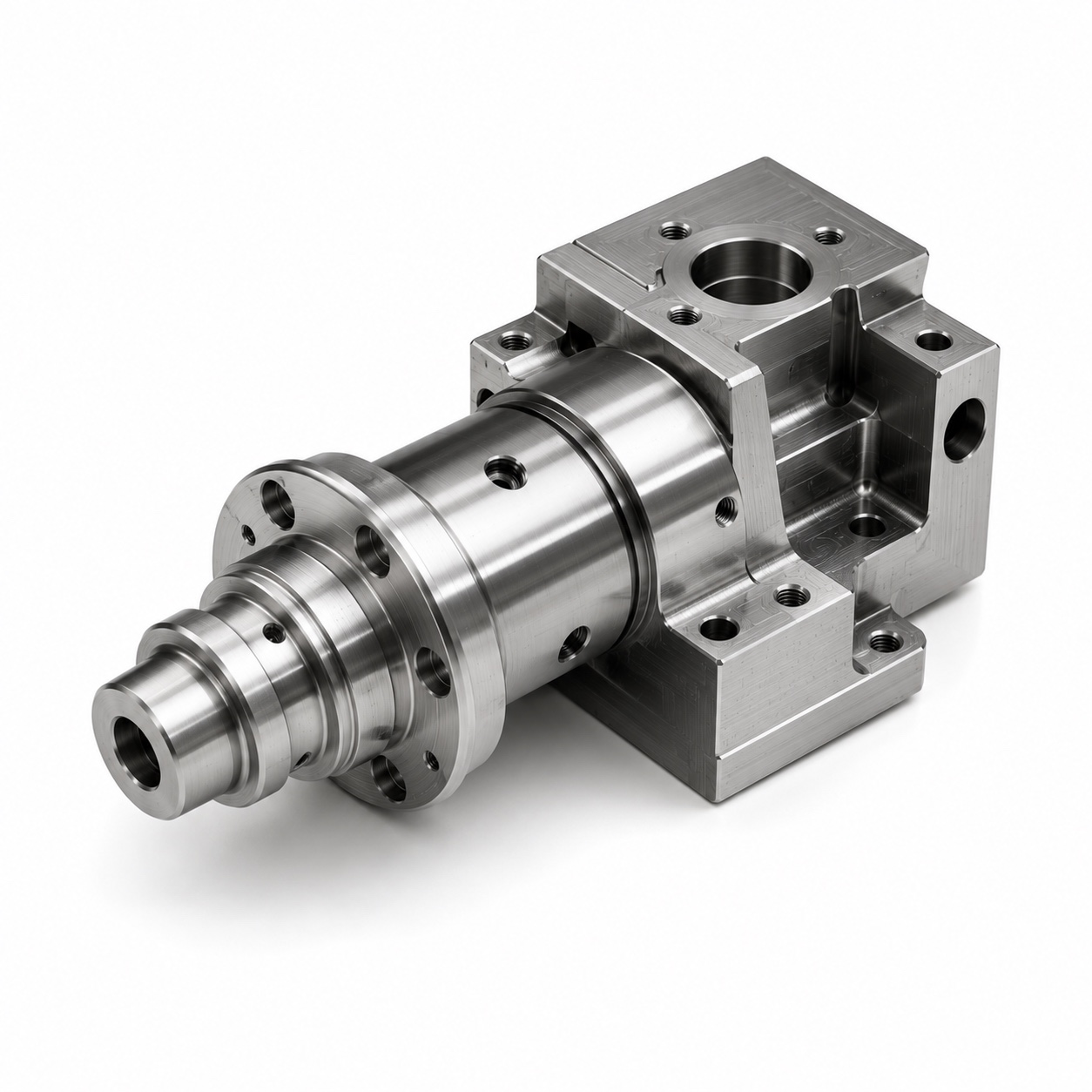
  4. Turn-Mill Machining TM-04
    Route 04

    Turn-Mill Machining

    Turning and milling combined on one machine to cut handling and hold accuracy.

    View capability
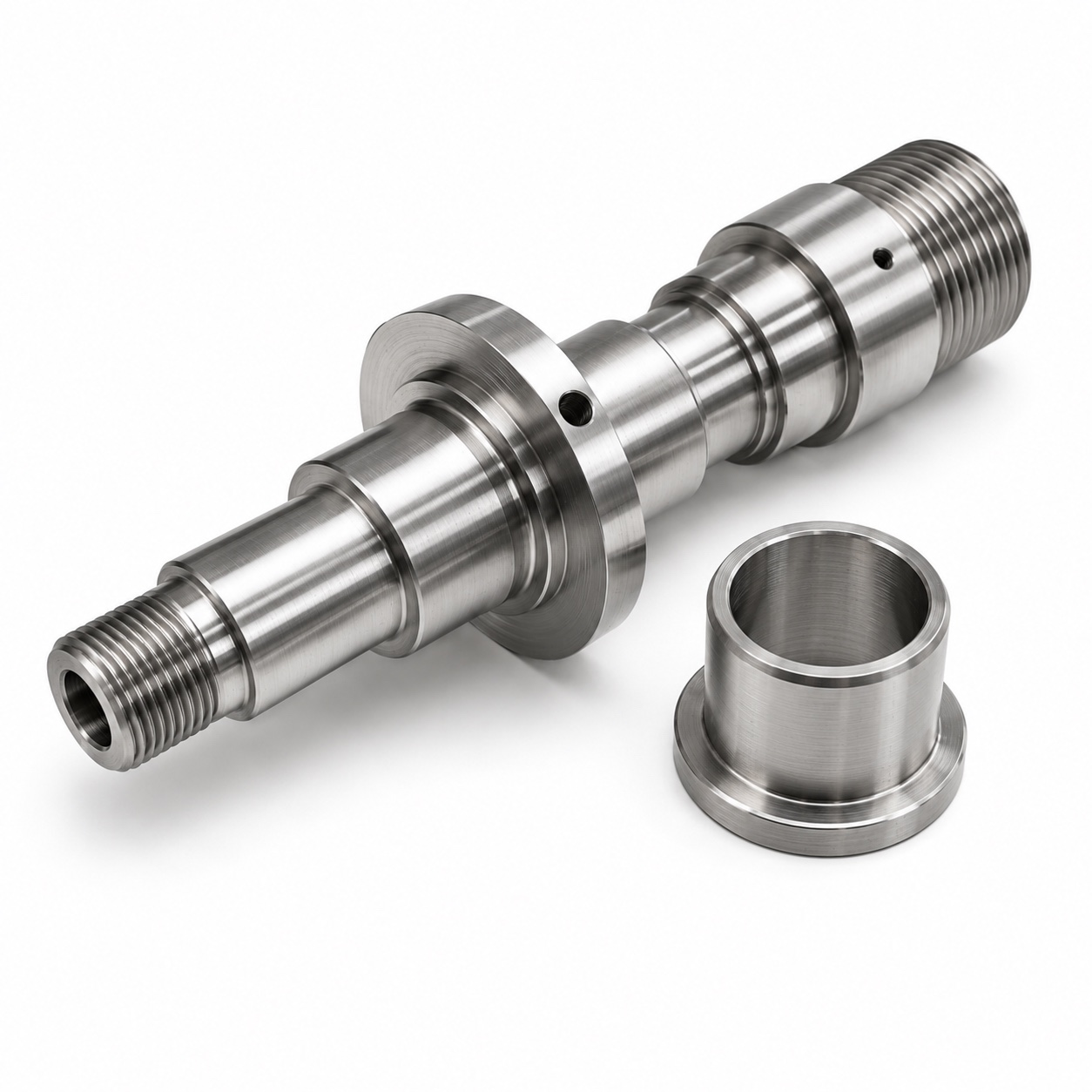
  5. CNC Turning and Lathe CTAL-05
    Route 05

    CNC Turning and Lathe

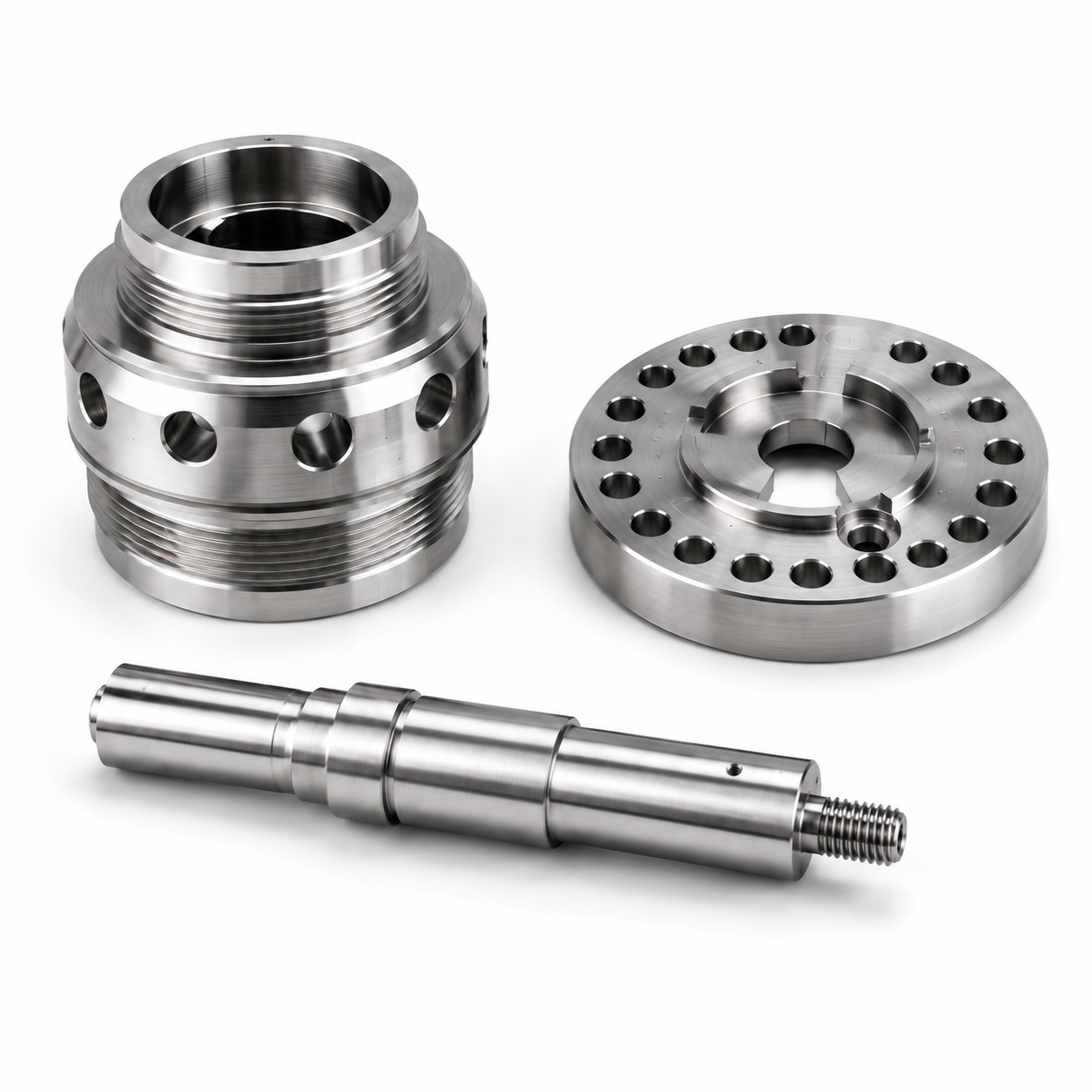
    Cylindrical parts such as shafts, bushings, and threaded components turned to spec.

    View capability
  6. Precision CNC Machining PCM-06
    Route 06

    Precision CNC Machining

    Tight-tolerance work down to ±0.0005 inch on critical features, fully documented.

    View capability
  7. Aluminum CNC Machining ACM-07
    Route 07

    Aluminum CNC Machining

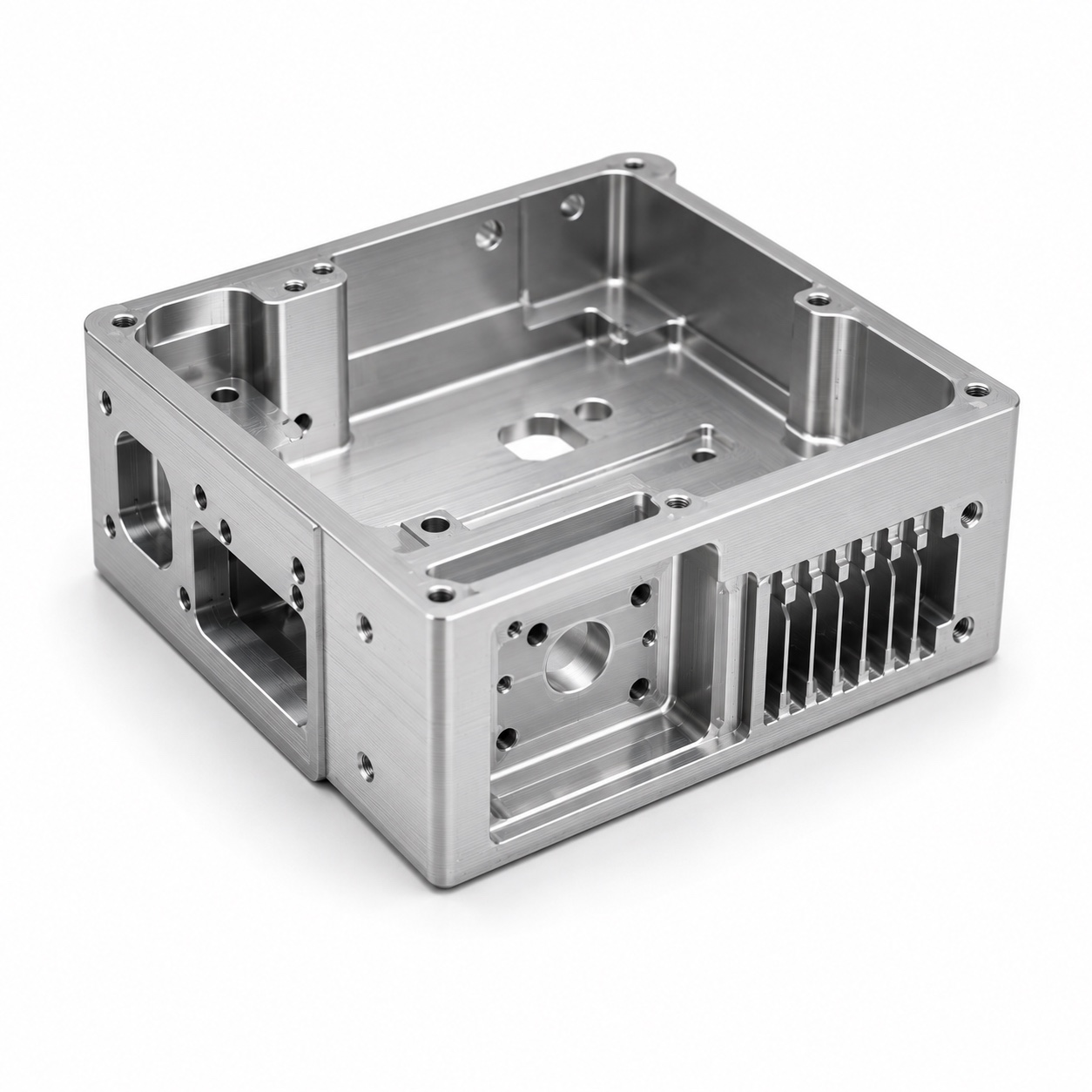
    Machined aluminum housings and enclosures with anodized and finished surfaces.

    View capability
  8. Steel CNC Machining SCM-08
    Route 08

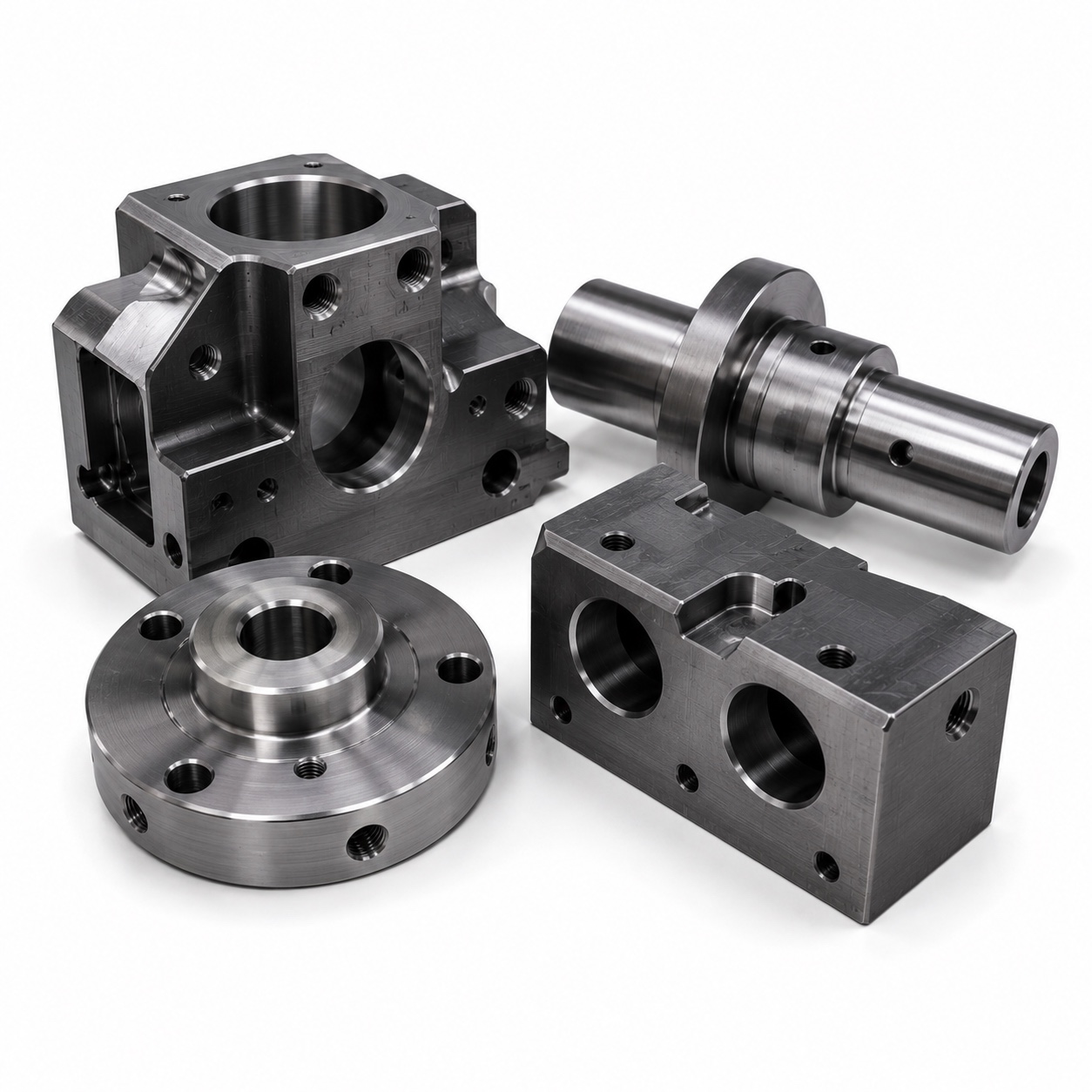
    Steel CNC Machining

    Carbon, alloy, and stainless steel parts machined and inspected to your drawing.

    View capability
  9. Firearms Component Machining FCM-09
    Route 09

    Firearms Component Machining

    Tight-tolerance machined components produced under documented quality control.

    View capability
  10. Medical CNC Machining MCM-10
    Route 10

    Medical CNC Machining

    Precision medical parts machined with full dimensional reporting on every batch.

    View capability
  11. U.S. Machining Facility UMF-11
    Route 11

    U.S. Machining Facility

    Domestic machining capacity with one U.S. point of contact from quote to delivery.

    View capability

Production Process

01 DFM Review
02 Custom Raw Material and Fixtures
03 First Articles
04 Production
Next step

Ready for technical review?

Share your part details, drawings, or CAD files. Redstone will review the requirements and confirm feasibility, tolerances, materials, lead time, and next steps.

  • Feasibility review based on your drawing or CAD file
  • Material, tolerance, and production requirements confirmed
  • Quote reviewed within 24 hours
Get started Request a Quote or Talk to an Engineer

Final specifications are confirmed during the technical feasibility review.

Why Redstone

Quality, cost, and a clear fit

Redstone helps hardware teams move from released drawings to repeat production with documented quality, competitive unit costs, and engineering support from the U.S.

  • ISO 9001 certified facilities
  • U.S.-based engineering support
  • Direct manufacturing partner
Quality

Certified quality you can audit

Every CNC machining program runs to ISO 9001 and IATF 16949 with CMM inspection on critical features. Every shipment includes the dimensional reports and conformance documentation a customer quality audit expects.

  • ISO 9001 and IATF 16949 certified facilities
  • First-article inspection and full dimensional reports
  • CMM verification on critical features
  • Certificate of Conformance with every shipment
Cost

Landed cost, not a headline unit price

We quote on landed cost. Programming, fixturing, freight, and duties are in the number before you see it, so the invoice matches the quote.

  • Around 20% average landed-cost savings, based on internal landed-cost comparisons
  • Programming, fixturing, freight, and duties quoted up front
  • Unit pricing by volume tier
  • No offshore quote desk between you and the production line
Fit

Is this a fit?

Redstone is built for hardware OEMs and Tier 1 suppliers running recurring CNC machining programs. If you are moving a tight-tolerance part into sustained production, this is the lane.

  • Hardware OEMs and Tier 1 suppliers
  • Recurring annual production volumes
  • Tight-tolerance parts from approved drawings
  • Engineering-led teams working from released CAD and GD and T
Parts built for production

What we produce

Redstone supports production metal parts across automotive, electronics, industrial equipment, and consumer hardware programs.

Automotive Tier 1 machined components

Automotive Tier 1 machined components

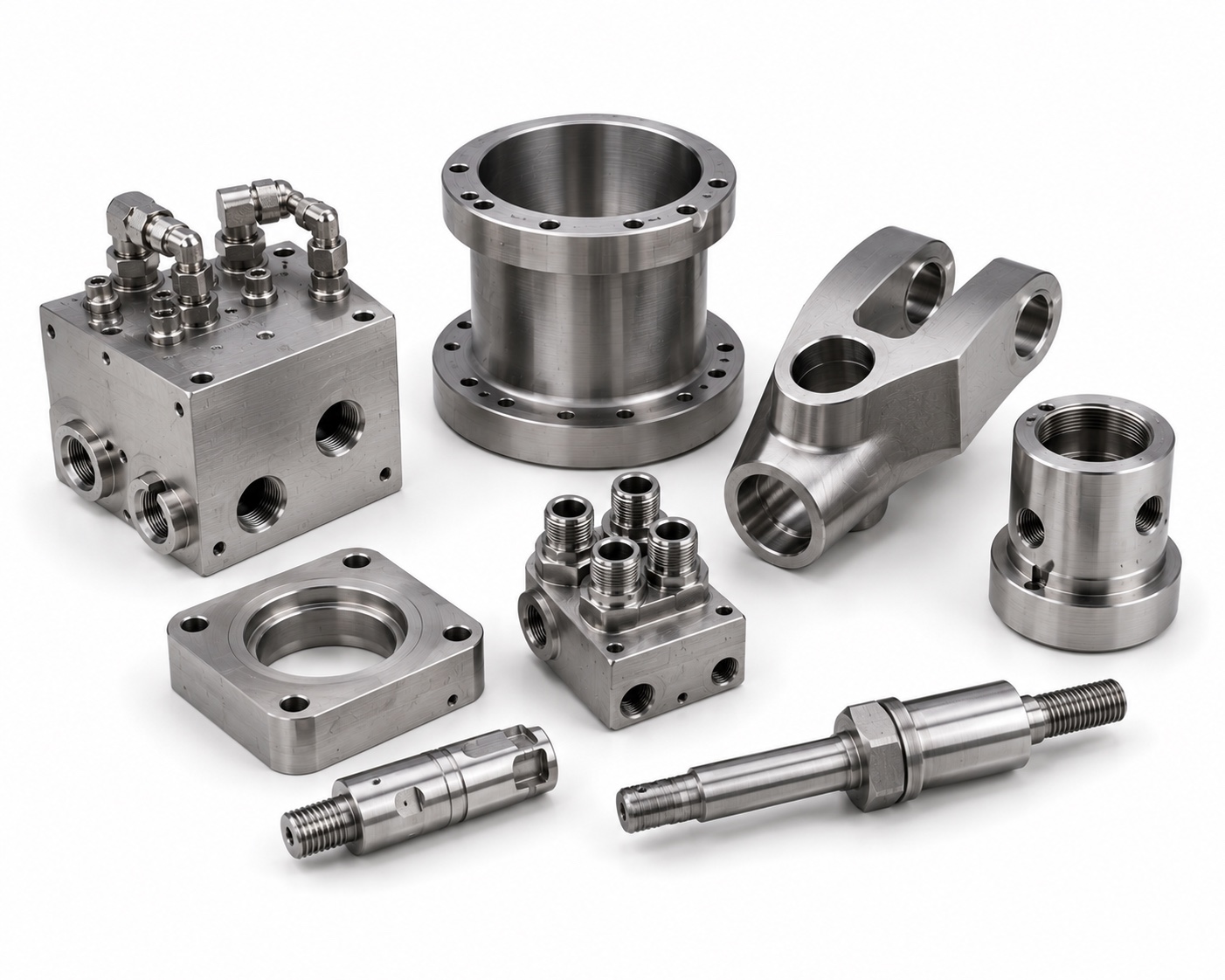
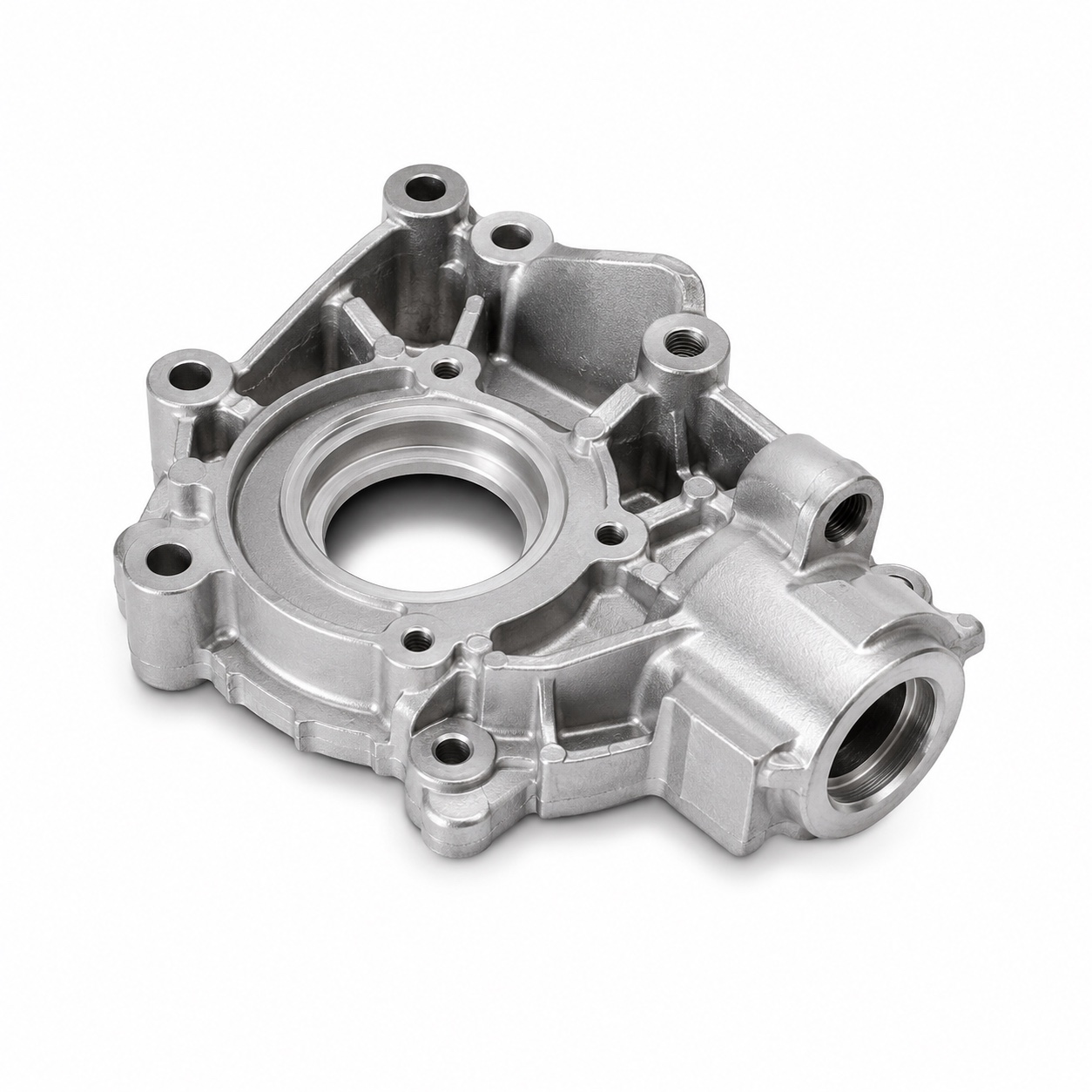
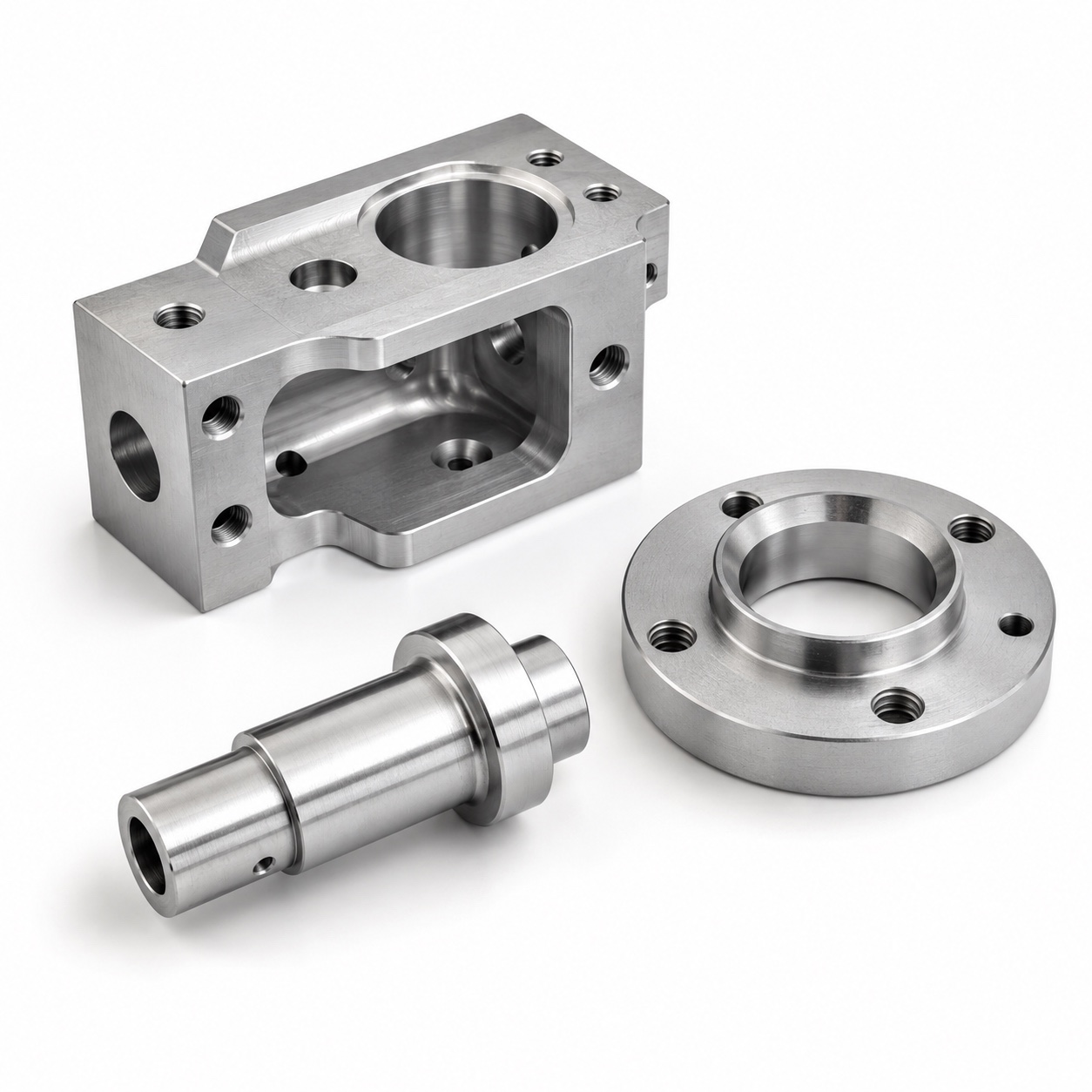
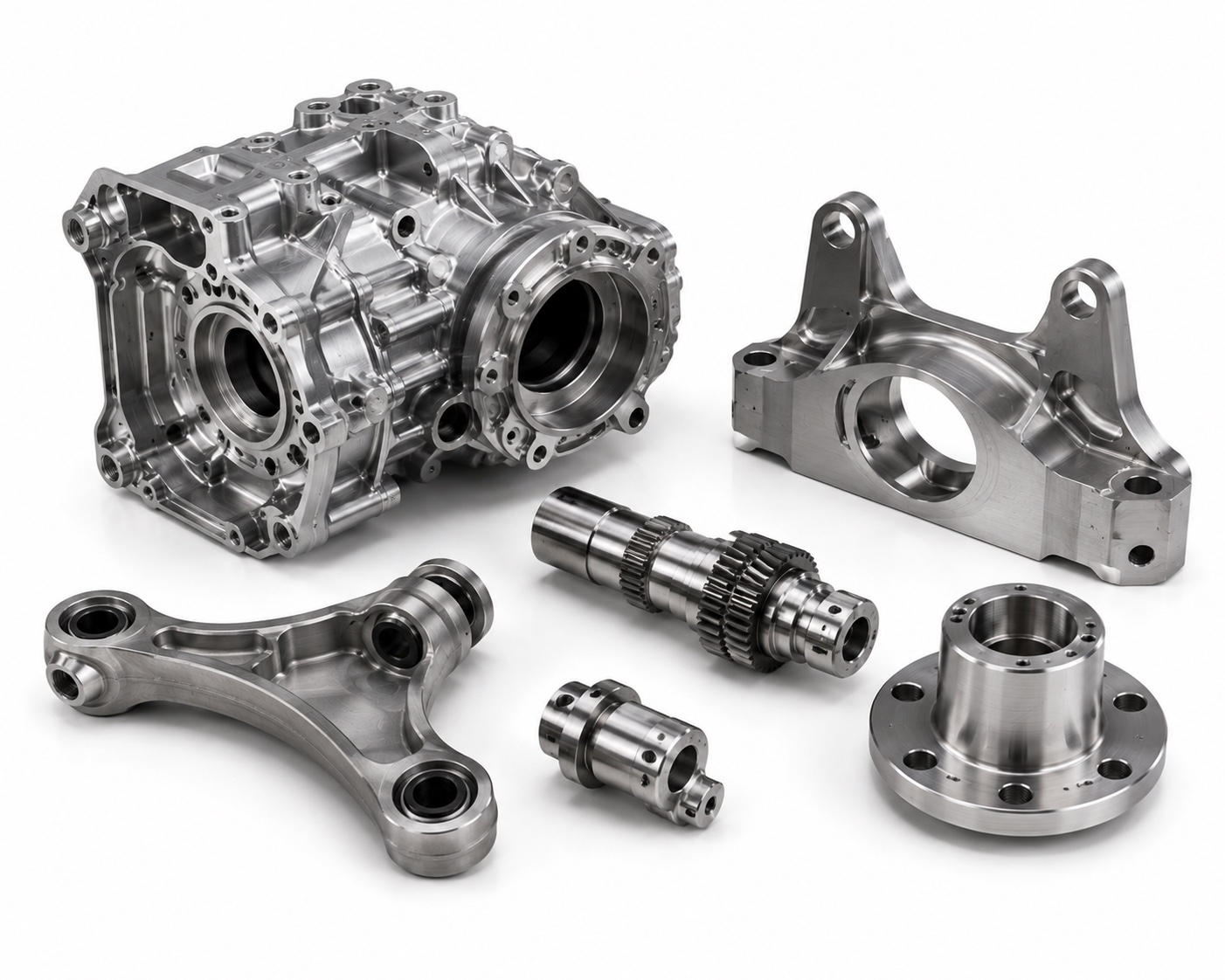
Tight-tolerance machined housings, brackets, and shafts for Tier 1 supplier programs, produced under IATF 16949 with dimensional reporting on every batch.

Industrial equipment parts

Industrial equipment parts

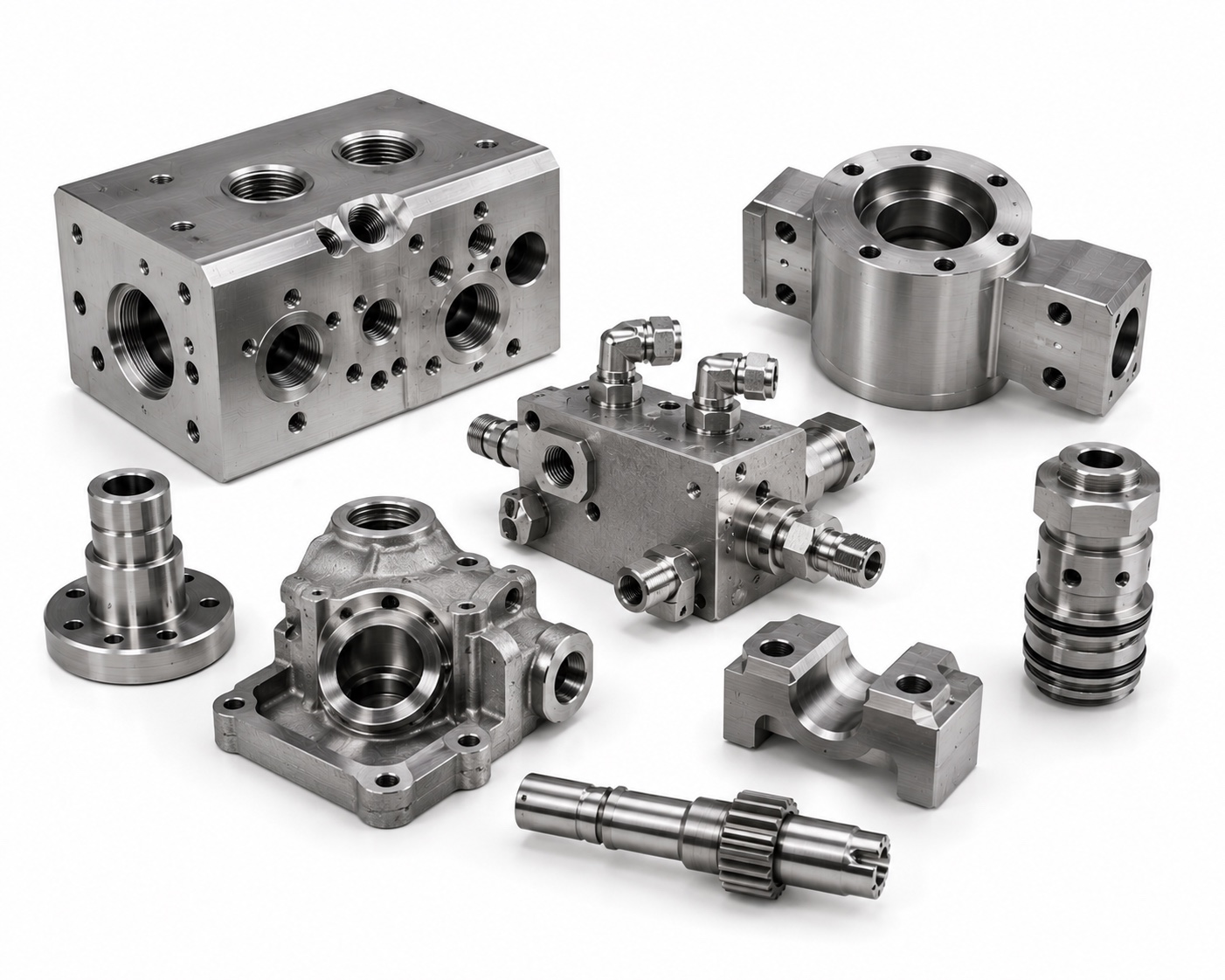
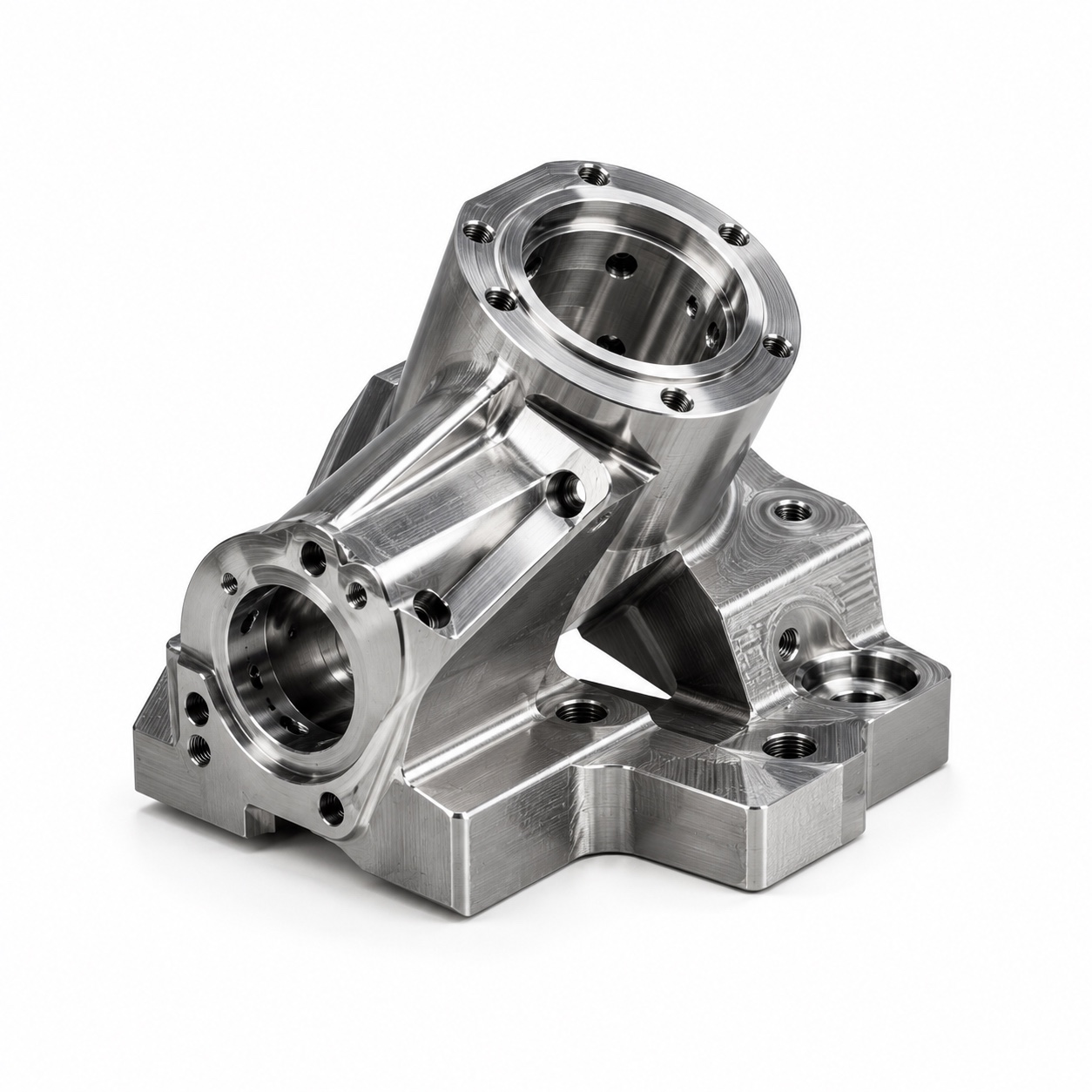
Precision-machined fittings, manifolds, and mechanical assemblies for heavy industrial hardware, moving from proven prototypes into recurring production parts on annual volume.

Electronics housings and heat sinks

Electronics housings and heat sinks

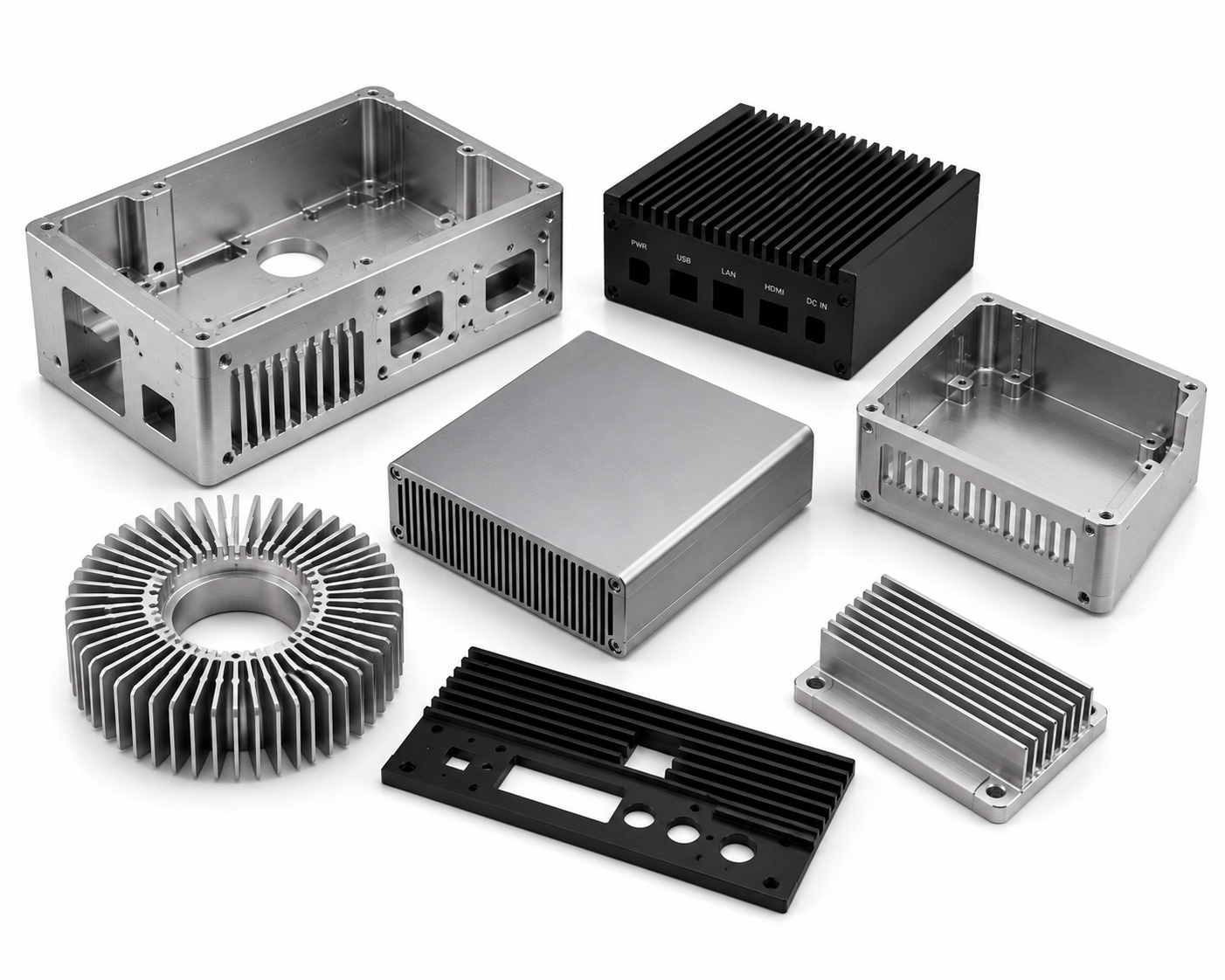
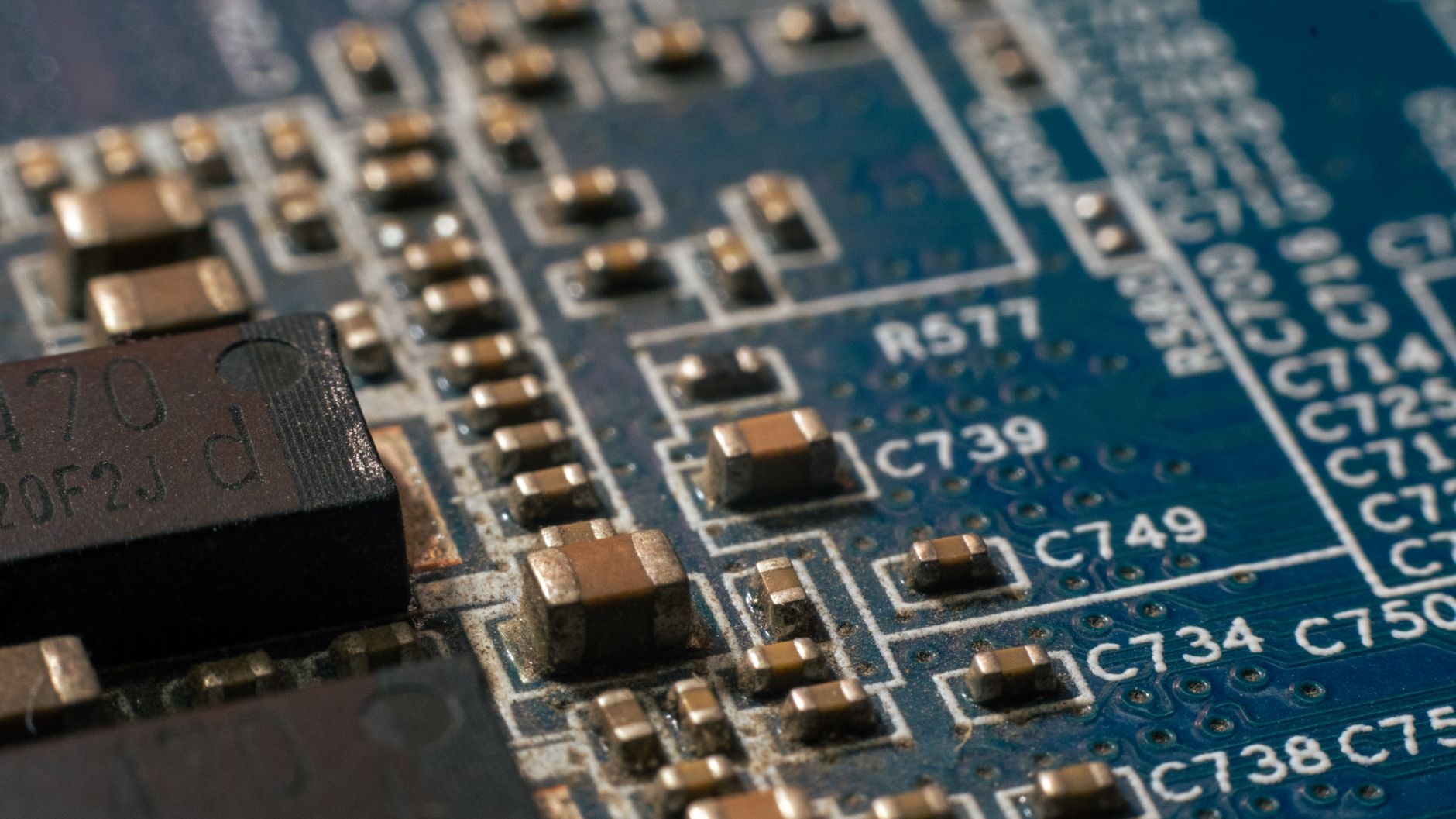
Cosmetic-grade machined aluminum enclosures and thermal components held to tight dimensional control for electronic devices.

Energy system hardware

Energy system hardware

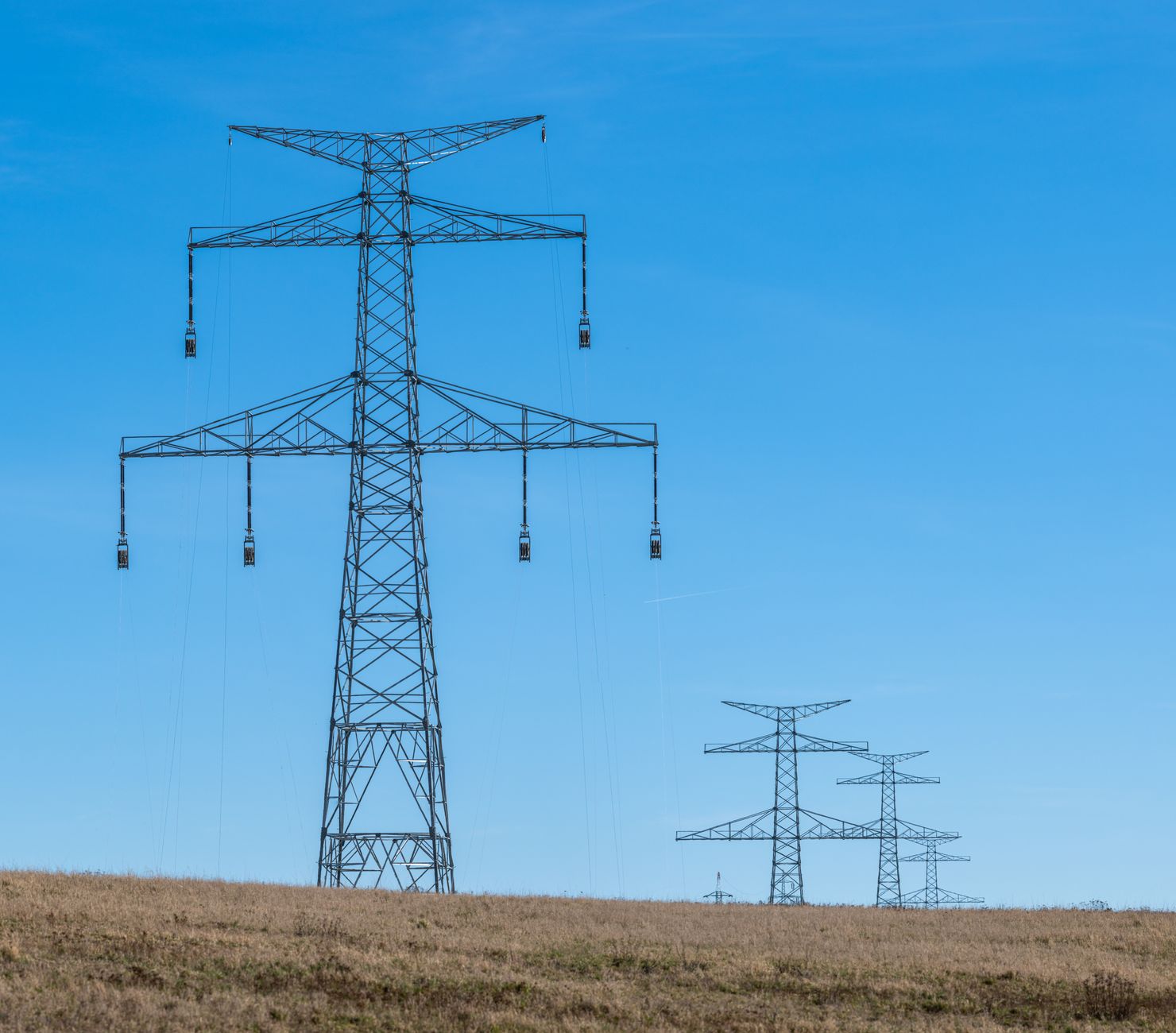
Corrosion-resistant machined components in stainless and titanium for solar, wind, and storage hardware, inspected to ISO 9001.

From quote to production

A five-step process, documented at every handoff

From initial drawings to final delivery, Redstone keeps each stage clear, documented, and aligned with production requirements.

Each handoff is documented. No stage moves forward until drawings, materials, and production requirements are confirmed with the customer.

  1. 01

    Submit Your Files

    Upload CAD files in STEP, IGES, DXF, or DWG with any 2D drawings and GD and T callouts. Our engineering team reviews every submission for manufacturability before quoting.

  2. 02

    Receive a Quotation

    A detailed quotation covering programming, fixturing, unit pricing by volume tier, lead time, and material and finish options. One U.S. point of contact, start to finish.

  3. 03

    First Article

    We program, fixture, and cut a first article, then issue a full dimensional report so the setup is proven against your drawing before any production release.

  4. 04

    Production

    3, 4, and 5-axis machining under documented quality control with in-process inspection. Your U.S. point of contact sends progress updates and photo documentation throughout.

  5. 05

    Inspection and Delivery

    Every shipment includes a Certificate of Conformance and a CMM dimensional report. We are the importer of record and coordinate freight to your dock.

Industries

Industries we machine for

Redstone supports production CNC machining programs for OEMs and engineering-led teams that require repeatable quality, controlled costs, and reliable part production.

  • Automotive

    Automotive

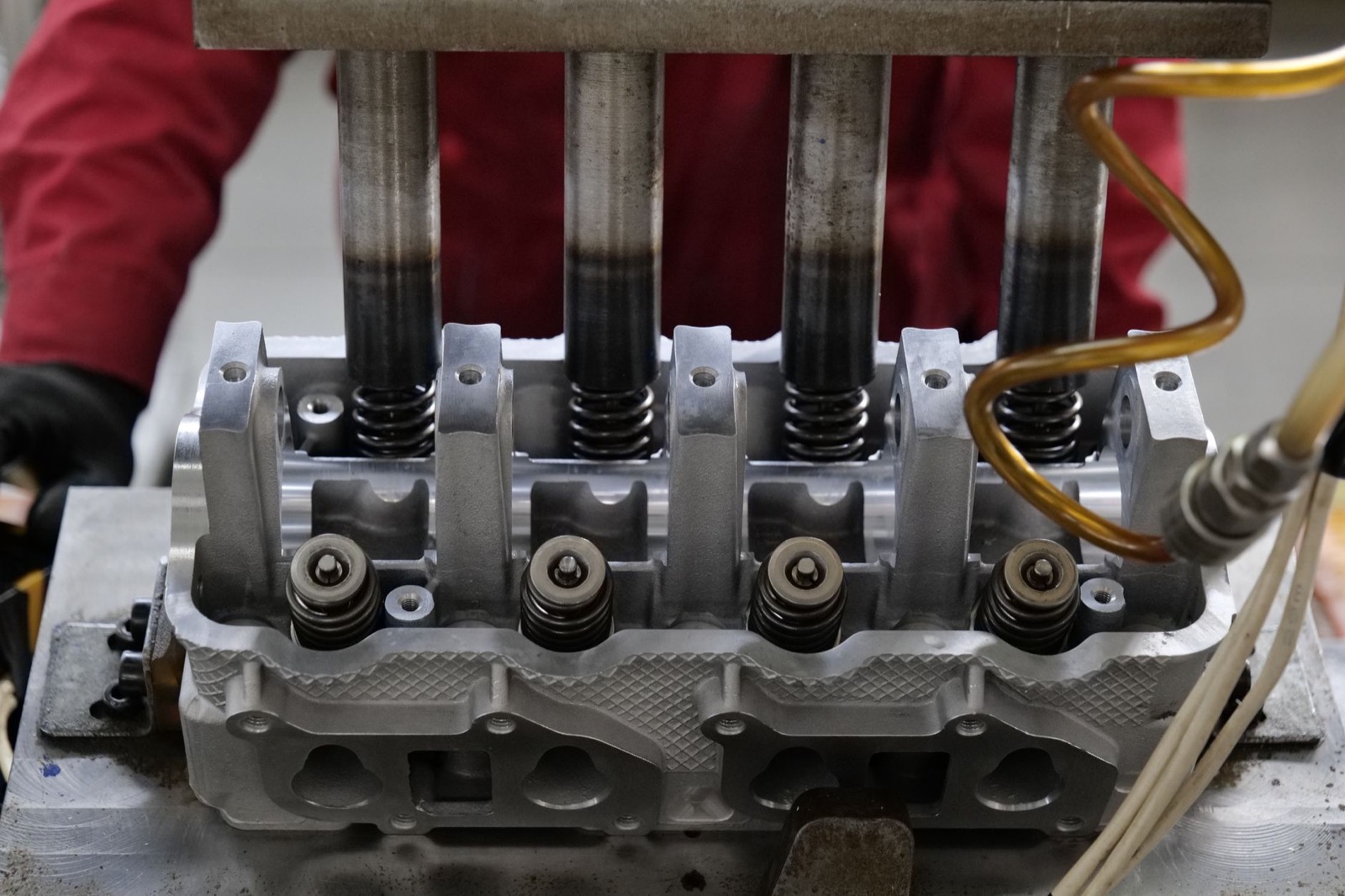
    Production components for automotive Tier 1 and Tier 2 suppliers and specialty OEM programs, run to IATF 16949 in certified facilities with U.S. engineering oversight from quote through delivery.

    • You run automotive components at production volume, not one-off prototypes.
    • Your program needs IATF 16949 quality and audit-ready documentation.
    • You are a Tier 1 or Tier 2 supplier, or a smaller OEM program that wants production-grade quality without a large-OEM minimum-order gate.
  • Industrial Equipment

    Industrial Equipment

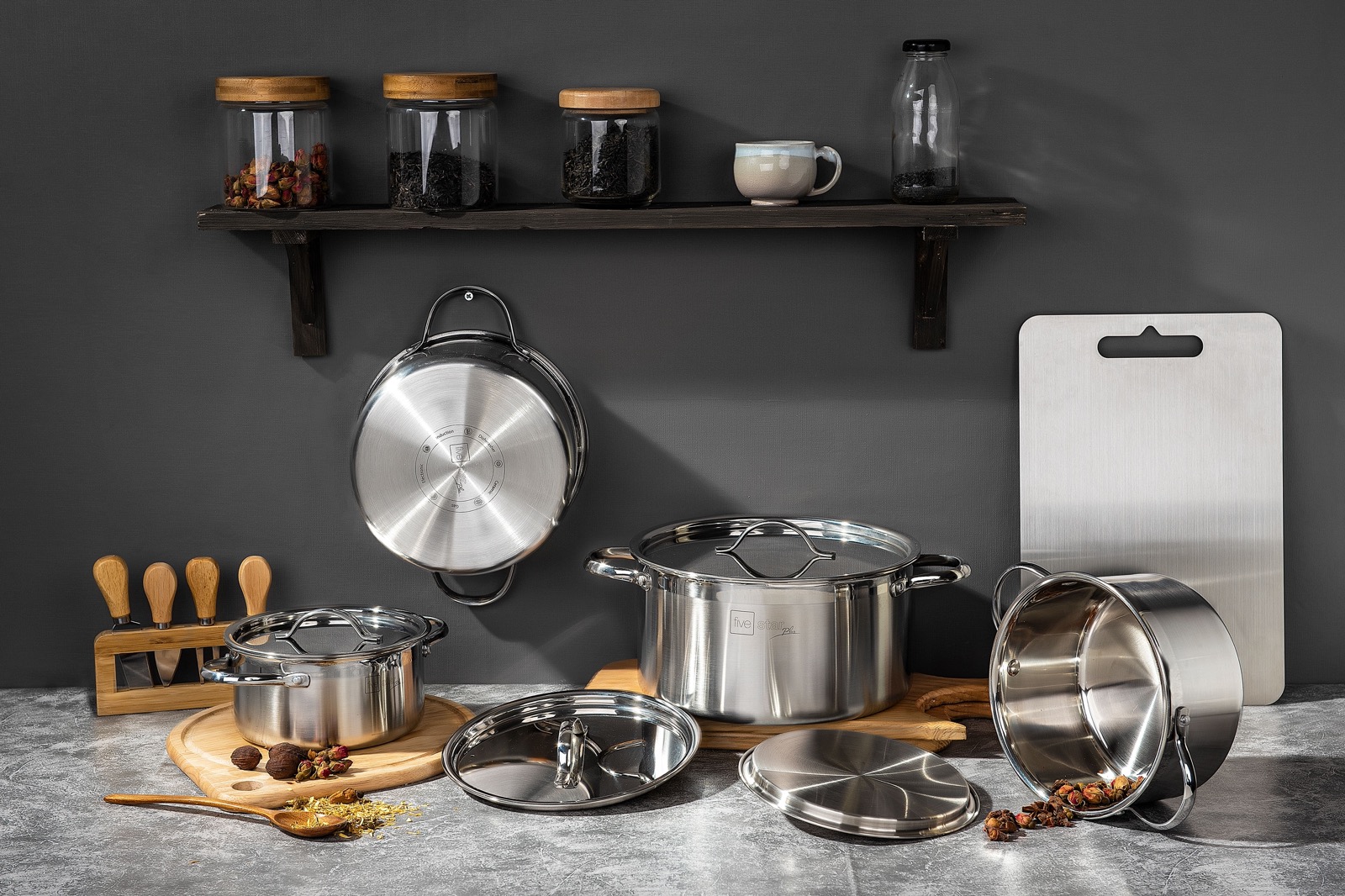
    Cast, machined, and fabricated components for industrial equipment programs, run to ISO 9001 with U.S. engineering oversight from quote through delivery.

    • You run cast, machined, or fabricated components at production volume, not one-off prototypes.
    • Your equipment operates in demanding service environments.
    • You want to consolidate multiple processes with one supplier and one U.S. point of contact.
  • Electronics

    Electronics

    Production cnc machining components for electronics programs, run to documented quality with U.S. engineering oversight.

    • Recurring production volume
    • Documented dimensional inspection
    • One U.S. point of contact
  • Consumer Products

    Consumer Products

    Production cnc machining components for consumer products programs, run to documented quality with U.S. engineering oversight.

    • Recurring production volume
    • Documented dimensional inspection
    • One U.S. point of contact
  • Energy

    Energy

    Production cnc machining components for energy programs, run to documented quality with U.S. engineering oversight.

    • Recurring production volume
    • Documented dimensional inspection
    • One U.S. point of contact
  • Defense

    Defense

    Machined and cast components for commercial firearms programs, run to ISO 9001 in certified facilities with full material traceability and U.S. engineering oversight from quote through delivery.

    • You run firearms components at production volume, not one-off prototypes.
    • Your parts have safety-critical, tight-tolerance features that need documented inspection.
    • You work from released drawings and need audit-ready quality documentation and material traceability.

Not sure if CNC machining fits your part?

Final step

Ready to review your part?

Share your drawings, CAD files, or production requirements. Redstone will review feasibility, materials, tolerances, lead time, and the best manufacturing path for your program.

  • ISO 9001 and IATF 16949 certified facilities
  • U.S.-based engineering support
  • Quote reviewed within 24 hours
  • Production support across Redstone’s facilities in the U.S., Mexico, and China
Resources

From the engineering desk

Visit the Resource Hub

Frequently asked questions

Don’t see your question? Request a quote and our engineering team will answer it.

What is CNC machining and how does it work?

CNC machining, short for computer numerical control machining, is a subtractive manufacturing process that removes material from solid metal or plastic stock to produce a finished part. A CAD model is converted into a tool path, and the CNC machine drives cutting tools across the workpiece on multiple axes to cut the geometry to your drawing. Because the same program runs every cycle, machined parts are highly repeatable, which makes the process well suited to both prototypes and recurring production parts.

What are your standard lead times?

Standard production lead time is 4 to 8 weeks, with first-article timing confirmed at the quote stage. Rush programs can be reviewed case by case.

What tolerances can you hold?

Standard machined tolerance is ±0.005 inch, and we hold down to ±0.0005 inch on critical features verified by CMM. Our engineering team confirms achievable tolerances against your drawing at the feasibility review.

What materials do you machine?

We machine aluminum, carbon and alloy steel, stainless steel, titanium, brass, and copper, along with engineering thermoplastics such as POM (Delrin), PTFE, polycarbonate, and nylon. Material choice drives machinability, corrosion resistance, and mechanical properties, so if your part calls for a specific alloy or temper our engineering team confirms the best fit at the feasibility review.

What surface finishes and secondary operations are available?

Parts ship as-machined or with secondary finishing including anodizing, powder coating, plating, passivation, heat treatment, and bead blasting. As-machined surfaces reach down to Ra 0.4 micrometres on critical features, and the right finish depends on your appearance, corrosion resistance, and chemical resistance requirements.

How can I reduce the cost of CNC machining?

The biggest cost levers are part geometry, material selection, tolerances, and volume. Simplifying internal corners, relaxing tolerances where the design allows, choosing a more machinable alloy, and committing to recurring volume all bring the per-part price down. Our engineering team flags these opportunities during the manufacturability review so the quote reflects the most cost-effective approach.

What is the difference between CNC milling and CNC turning?

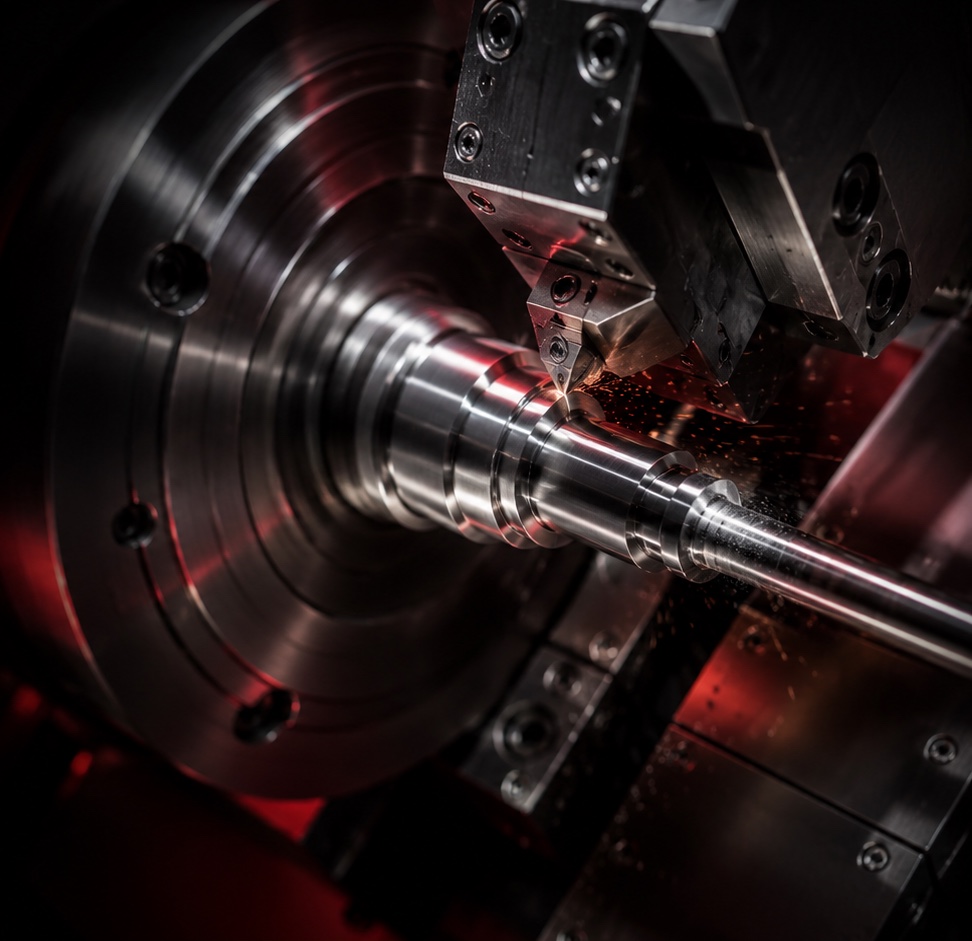
In turning, the workpiece rotates while the cutting tool is fixed - this is used for cylindrical and conical geometry such as shafts, bushings, and threaded components. In milling, the cutting tool rotates while the workpiece is held stationary - this produces flat surfaces, pockets, contours, and complex features. Multi-axis machines combine both approaches in a single setup to reduce handling and improve accuracy.

Does CNC machining affect the strength of a part?

Because machining is a subtractive process, it removes material without altering the base metallurgy, so a machined part retains the tensile strength, yield strength, and ductility of the stock it is cut from. The bigger drivers of in-service performance are material and temper selection and the part geometry: sharp internal corners and abrupt section changes concentrate stress and lower fatigue strength, while generous fillets improve toughness and impact strength. For parts that see cyclic loading or wear, our engineering team reviews the drawing and recommends an alloy and heat treatment that meet the required strength, fatigue, and wear resistance.

Is there a minimum order?

There is no fixed unit minimum. Overseas machining often delivers its largest percentage savings at lower and prototype volumes, so you do not need high volume to benefit. The fit is about overall program value and ongoing potential rather than a single large run; we will tell you at the quote stage whether your part is a good fit and recommend the most cost-effective approach.

How do you ensure quality?

All production runs to ISO 9001 and IATF 16949 with in-process and CMM inspection. Every shipment includes a Certificate of Conformance and a dimensional inspection report, and third-party inspection is available on request.

Who is my point of contact?

You have one U.S. point of contact who manages quoting, programming, production scheduling, quality documentation, and logistics. There is no offshore quote desk between you and the production line.

How much does it cost to have a part CNC machined?

CNC machining cost depends on material, part complexity, tolerance requirements, and order volume. The most common hidden cost driver we see: over-specified internal geometry. Tight radii, specific fillet sizes, or edge-break callouts added for aesthetics rather than function force specialty tooling, multiple setups, and slower feed rates on small-diameter end mills, all of which increase price without improving the part. CNC turning tends to cost less than multi-axis milling. Contact our team for a quote based on your requirements.

How does Redstone inspect CNC machined parts?

Redstone translates every print callout into a ballooned inspection template, so nothing is left unchecked. Critical tolerances are identified based on end use: which dimensions drive assembly fit, which features control downstream dimensions. Those driving dimensions get extra rigor and are reviewed with the manufacturer before production begins. Inspection methods include CMM, height gauges, thread gauges, and optical measurement. Consistent conforming lots earn reduced inspection frequency over time, while targeted checks remain for anticipated failure modes.

What happens if a CNC machined part does not meet spec?

Redstone finds issues before parts ship. When a part fails inspection, Redstone runs a 100% sort on the affected lot, quarantines nonconforming inventory, stops production, and performs root cause analysis before any corrective action. Disposition is rework, replacement, or credit. Redstone guarantees the parts: repair, replace, or refund, with air-freighted replacements when rework is not feasible.

What mistakes should I avoid when designing for CNC machining?

The most common design mistake is specifying tolerances tighter than the machining process can reliably hold. Tight internal shapes that require specialty tooling or multiple setups inflate cost quickly. Cutting tools can break edges or add radii that achieve the function, so adding callouts where none are needed only drives price. On finished parts, coating thickness is often overlooked. Plating or anodize adds material that changes bore diameter on precision holes, so those dimensions should account for coating build-up at design.

How does CNC machining compare to 3D printing?

3D printing is an additive process that builds parts layer by layer, while CNC machining is a subtractive process that removes material from solid stock. CNC machining produces parts with higher tensile strength, tighter tolerances, and better surface finishes. 3D printing is ideal for rapid prototype validation, while CNC machining handles production-grade metal and plastic components.