




Drawing / DFM Quote / RFQ Tooling / Die Casting / Pour CNC Machining Finishing Inspection / Caliper NDT / X-ray Shipping Customs / Import Lead Time One U.S. Contact Quality Assured ISO 9001 Certified Certificate of Conformance Audit Ready Hardness / NDT Quality Cost / Landed Fit U.S. Managed Die Casting Sand Casting CNC Machining Sheet Metal Metal Injection Molding Investment Casting Automotive Medical Defense Heavy Machinery Industrial Equipment Oil & Gas Construction Agriculture Energy Aerospace Alloy / Metal

Metal Injection Molding in India

Low alloy and stainless steel metal injection molding (MIM) from ISO 9001 certified facilities in Bangalore and Pune, built for flexible volumes from mid-run to high-volume small complex metal parts.

Trusted by Programs across Tier 1 suppliers, Fortune 500 OEMs & hardware startups
  • Honda
  • Libman
  • Mahindra
  • Meyer
  • MIT
  • Amazon
  • Bloom Energy
  • Circor
  • Halliburton
  • Honda
Metal Injection Molding in India capabilities

Technical Capabilities

Review core metal injection molding in india capabilities, materials, tolerances, inspection methods, and production requirements before requesting a quote.

Production envelope · Verified
Metal powder plus sintering 01
MIM
Thin walls + undercuts 02
Net-shape
Metallurgical testing 03
Density + CMM
Materials
Low alloy steels and stainless steels; additional MIM-compatible alloys reviewed at feasibility
Process
Metal injection molding: feedstock injection, thermal or chemical debinding, and sintering
Request a Quote

See Our Process Or same-day technical feasibility review

Production specifications

Part size
Small and miniature components with complex geometries; reviewed case by case
Tolerances
Confirmed against your drawing at the feasibility review
Geometry
Thin walls, undercuts, internal features, and intricate cross-sections supported
Secondary operations
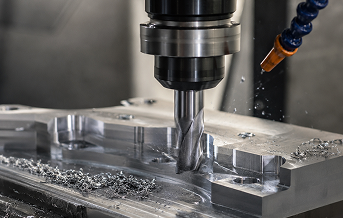
CNC machining, heat treatment, polishing, tumbling, coating, plating, black oxide, passivation, deburring, and laser marking
Inspection
Density checks, CMM measurement, and metallurgical testing
Certifications
ISO 9001
Standard lead time
4-8 weeks

Production Process

01 DFM Review
02 Tooling
03 Trial Shots
04 Production
Next step

Ready for technical review?

Share your part details, drawings, or CAD files. Redstone will review the requirements and confirm feasibility, tolerances, materials, lead time, and next steps.

  • Feasibility review based on your drawing or CAD file
  • Material, tolerance, and production requirements confirmed
  • Quote reviewed within 24 hours
Get started Request a Quote or Talk to an Engineer

Final specifications are confirmed during the technical feasibility review.

Why Redstone

Quality, cost, and a clear fit

Redstone helps hardware teams move from released drawings to repeat production with documented quality, competitive unit costs, and engineering support from the U.S.

  • ISO 9001 certified facilities
  • U.S.-based engineering support
  • Direct manufacturing partner
Quality

Density-verified to spec

Every MIM program in India runs to ISO 9001 with density checks, CMM measurement, and metallurgical testing. Each shipment carries the documentation a customer quality audit expects, produced by facilities with access to established local raw material and tooling supply chains in Bangalore and Pune.

  • ISO 9001 certified facilities
  • Density checks and CMM measurement on every program
  • Metallurgical testing and dimensional inspection
  • Certificate of Conformance with every shipment
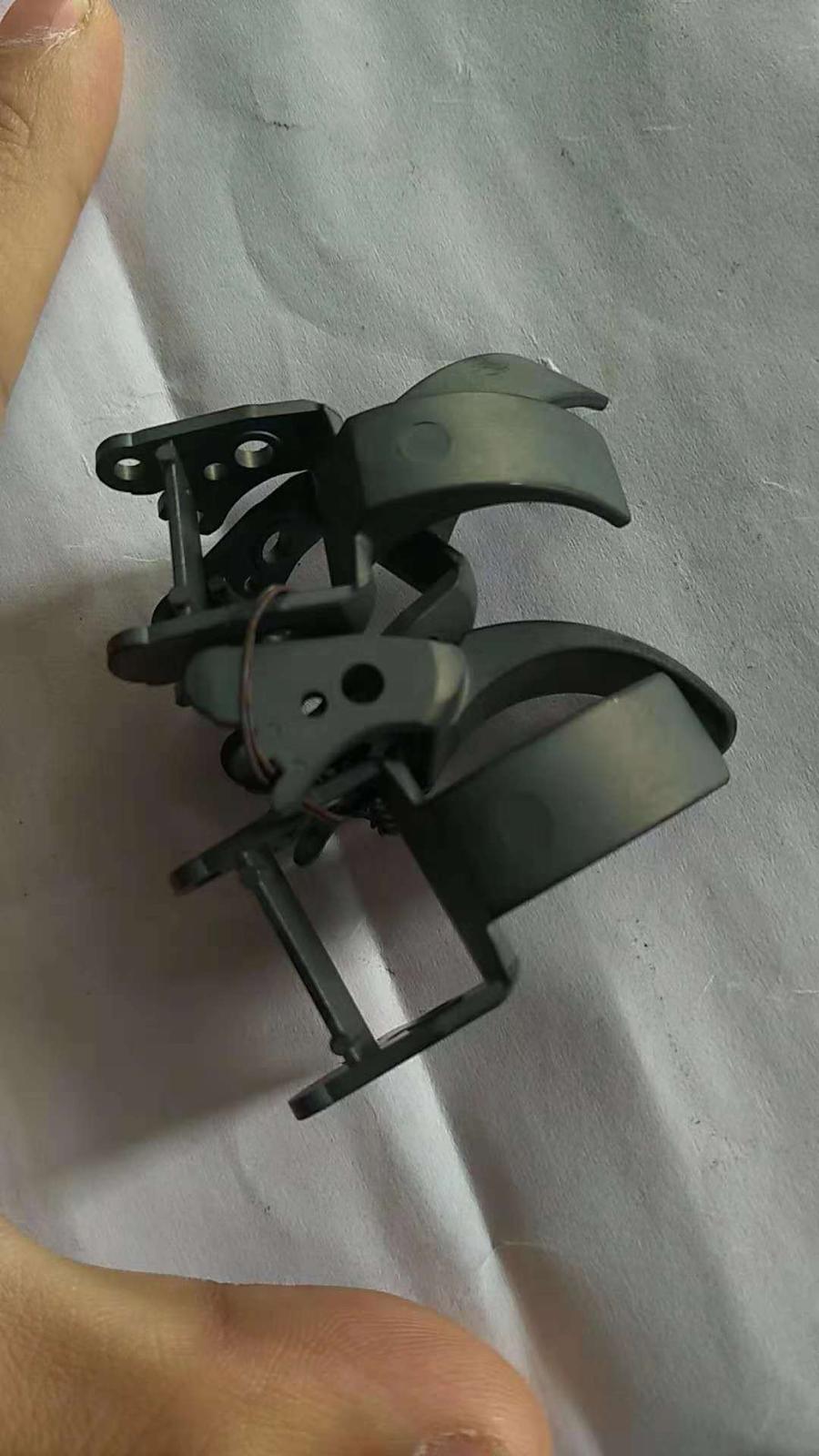
Cost

Flexible volumes, low per-part cost at scale

India-based metal injection molding works well for mid-run programs scaling toward high volume, giving hardware OEMs a path that doesn't require betting everything on tooling for maximum-volume rates. Per-unit cost drops sharply as volume grows, and the near-net-shape output reduces downstream machining. We quote on landed cost, with tooling, freight, and duties in the number before you see it.

  • Viable at both mid-run and high-volume annual programs
  • Near-net-shape output cuts post-run machining spend
  • Tooling, freight, and duties quoted up front
  • No offshore quote desk between you and the production line
Fit

Is this a fit?

Redstone is built for hardware OEMs that need small, intricate, high-strength metal parts in sustained or growing volume. India-based metal injection molding suits programs where flexibility in annual run size matters as much as per-part cost.

  • Hardware OEMs needing small, complex metal parts
  • Mid-run to high-volume programs where tooling cost amortizes
  • Low alloy and stainless steel material requirements
  • Geometries too intricate for machining or casting alone
Parts built for production

What we produce

Redstone supports production metal parts across automotive, electronics, industrial equipment, and consumer hardware programs.

Electronics and connector hardware

Electronics and connector hardware

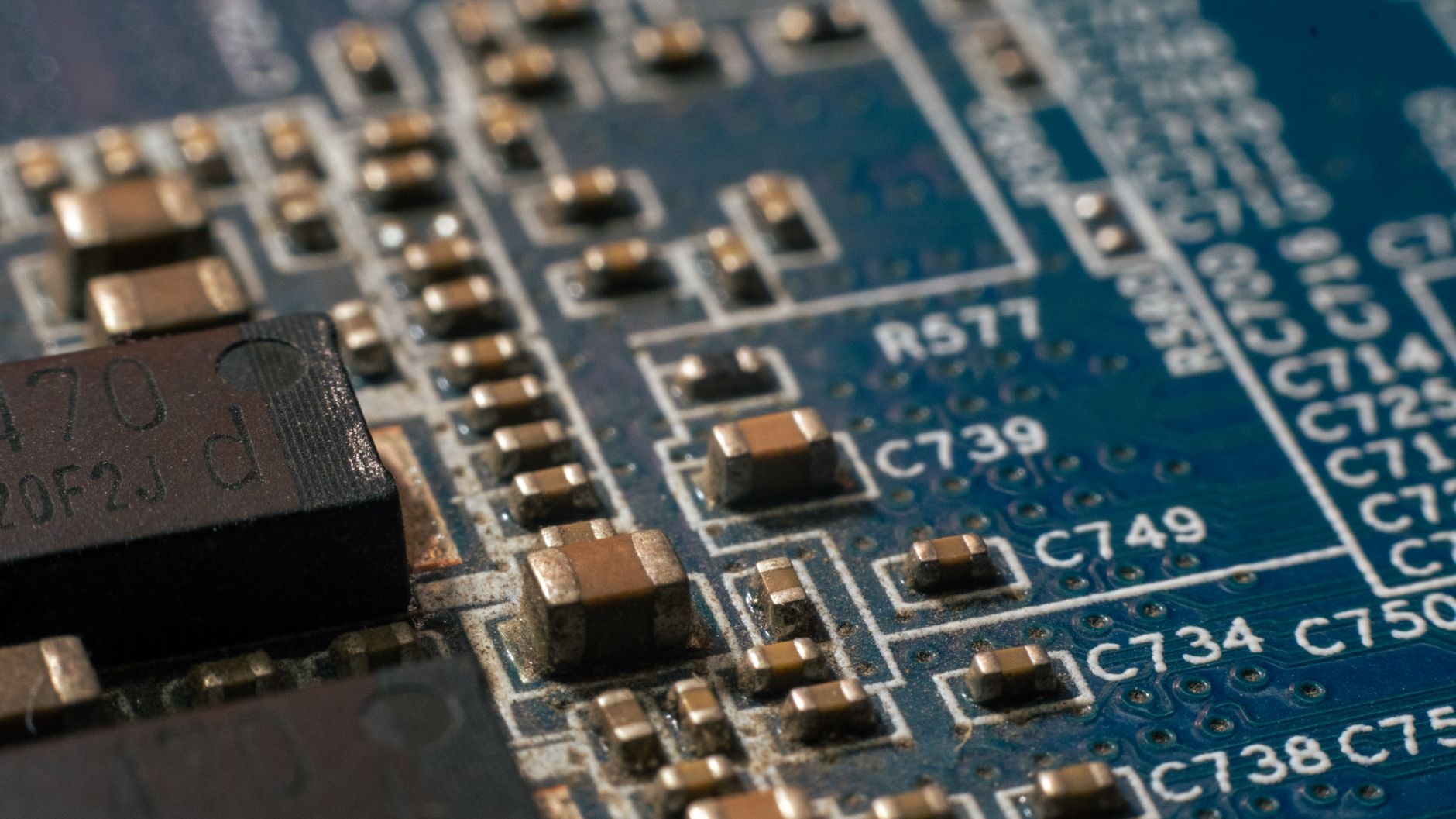
Micro-connectors, housings, and shielding parts produced in stainless steel and low alloy steel at volume, with tight dimensional control suited to India's growing electronics manufacturing base.

Automotive drivetrain and fuel components

Automotive drivetrain and fuel components

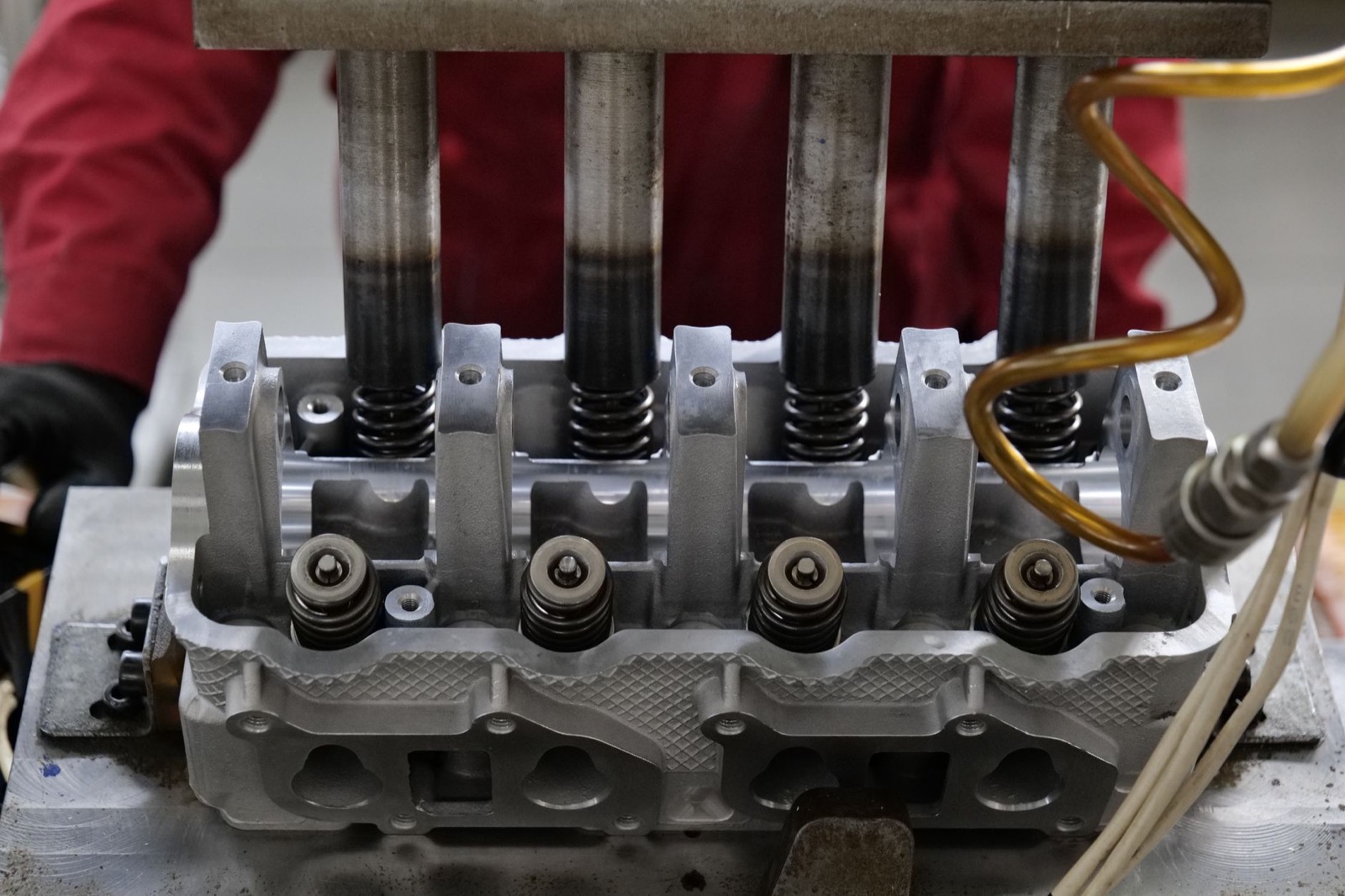
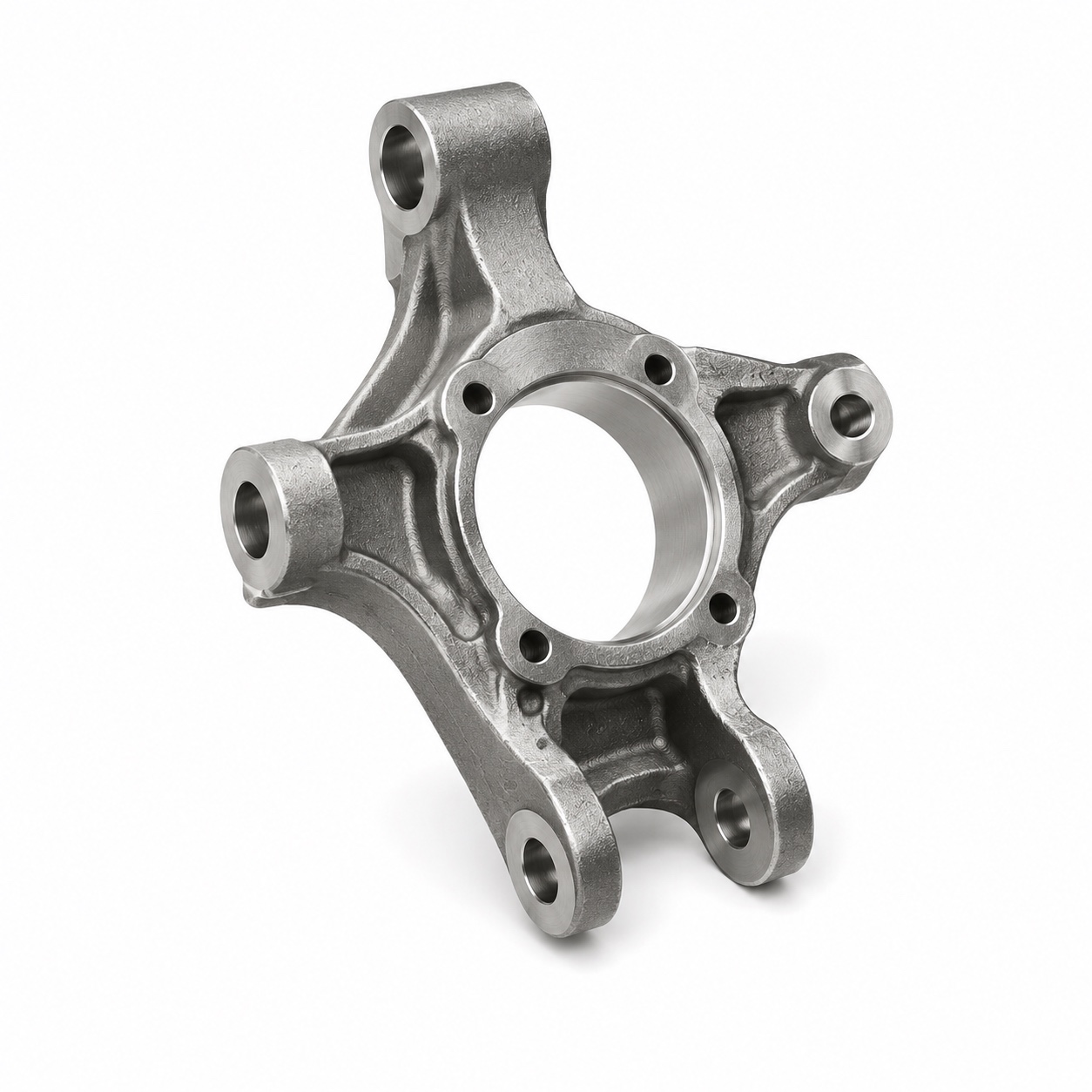
Gears, levers, and fuel system housings MIM'd in high-strength steel and inspected to ISO 9001 for sustained production programs serving automotive supply chains.

Industrial locking and mechanical parts

Industrial locking and mechanical parts

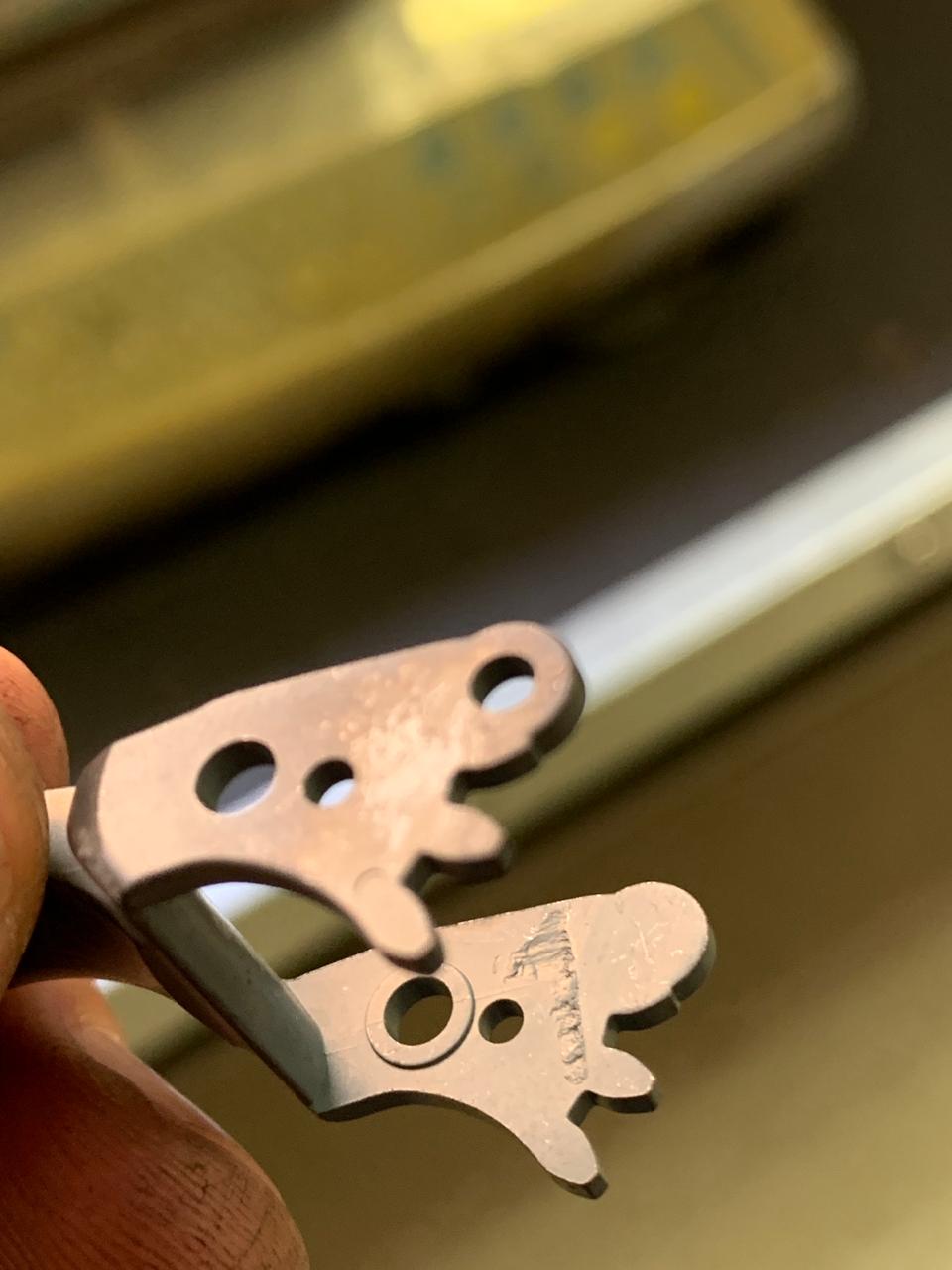
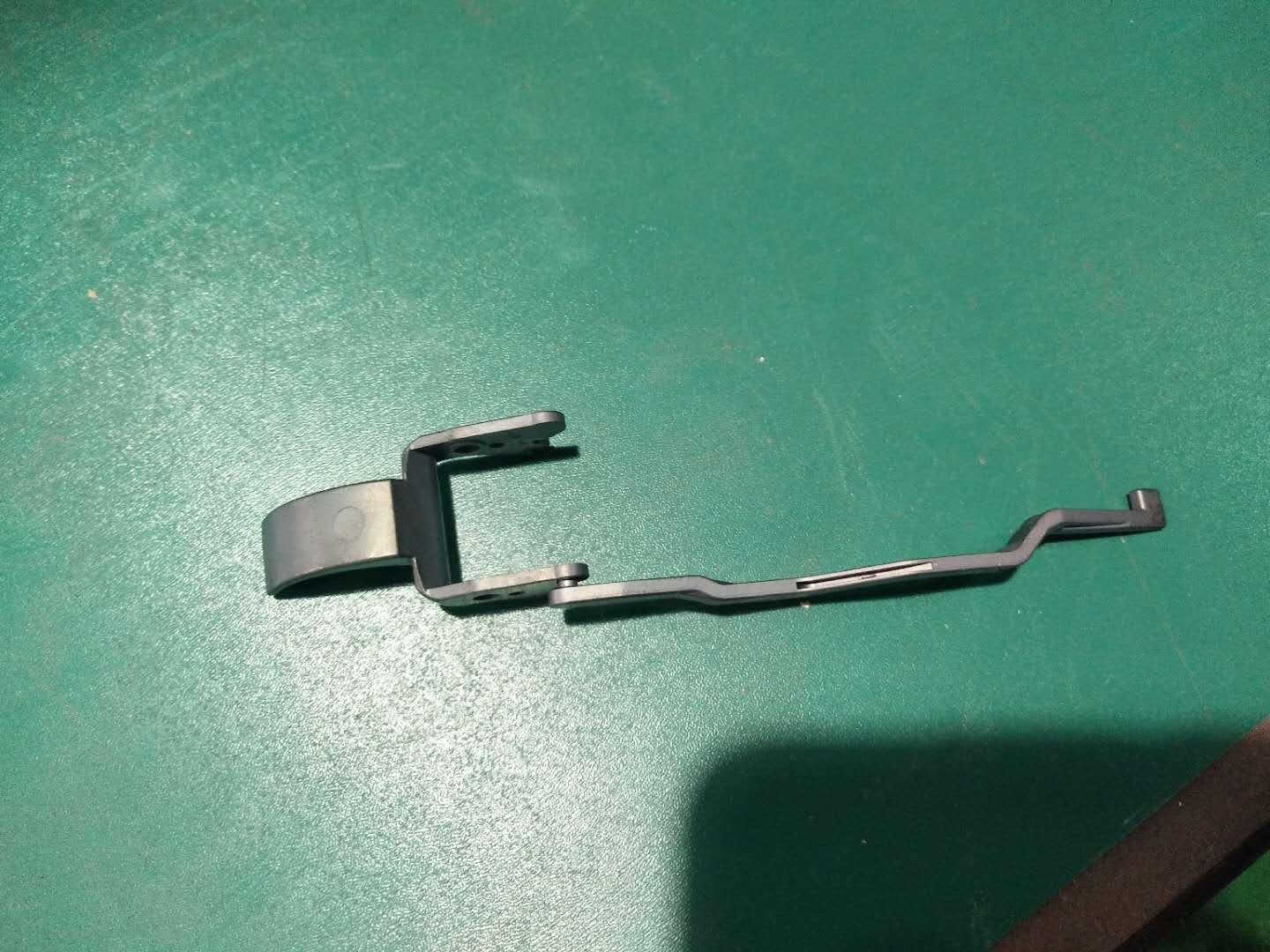
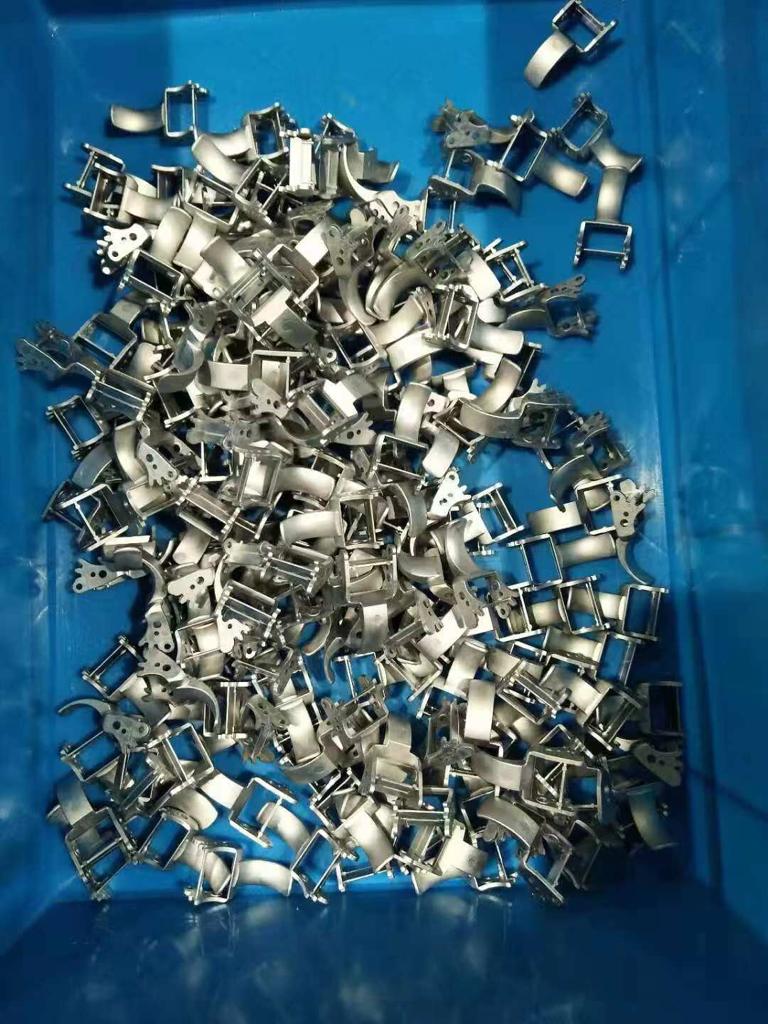
Precision locking systems and miniature mechanical components where MIM geometry capability and sintered strength are required, from mid-run through full-scale production.

Consumer and wearable hardware

Consumer and wearable hardware

Wearables, hand tool components, and durable consumer hardware where complex shape and surface finish matter, scalable from initial production volumes.

From quote to production

A five-step process, documented at every handoff

From initial drawings to final delivery, Redstone keeps each stage clear, documented, and aligned with production requirements.

Each handoff is documented. No stage moves forward until drawings, materials, and production requirements are confirmed with the customer.

  1. 01

    Submit Your Drawings

    Upload your 3D model or technical drawing. Our engineering team reviews geometry, wall thickness, and shrinkage factors to confirm MIM suitability and feedstock selection before quoting.

  2. 02

    Receive a Quotation

    A detailed quote covering mold design, feedstock, debinding, sintering, post-processing, unit pricing by volume tier, lead time, and finish options. One U.S. point of contact, start to finish.

  3. 03

    Tooling and Mold Design

    We design precision molds engineered around MIM shrinkage characteristics and prove the tooling before any production release.

  4. 04

    Molding, Debinding, and Sintering

    Feedstock is injected into the mold to form the green part, then the binder is removed through controlled thermal or chemical debinding. Parts are sintered to near-full metal density, with in-process checks throughout.

  5. 05

    Finishing, Inspection, and Delivery

    Each sintered part is finished, inspected against your drawing, and packed. We are the importer of record and coordinate freight to your dock with a Certificate of Conformance.

Industries

Industries we produce for

Redstone supports production metal injection molding programs for OEMs and engineering-led teams that require repeatable quality, controlled costs, and reliable part production.

  • Automotive

    Automotive

    Production components for automotive Tier 1 and Tier 2 suppliers and specialty OEM programs, run to IATF 16949 in certified facilities with U.S. engineering oversight from quote through delivery.

    • You run automotive components at production volume, not one-off prototypes.
    • Your program needs IATF 16949 quality and audit-ready documentation.
    • You are a Tier 1 or Tier 2 supplier, or a smaller OEM program that wants production-grade quality without a large-OEM minimum-order gate.
  • Electronics

    Electronics

    Production metal injection molding in india components for electronics programs, run to documented quality with U.S. engineering oversight.

    • Recurring production volume
    • Documented dimensional inspection
    • One U.S. point of contact
  • Industrial Equipment

    Industrial Equipment

    Cast, machined, and fabricated components for industrial equipment programs, run to ISO 9001 with U.S. engineering oversight from quote through delivery.

    • You run cast, machined, or fabricated components at production volume, not one-off prototypes.
    • Your equipment operates in demanding service environments.
    • You want to consolidate multiple processes with one supplier and one U.S. point of contact.
  • Consumer Products

    Consumer Products

    Production metal injection molding in india components for consumer products programs, run to documented quality with U.S. engineering oversight.

    • Recurring production volume
    • Documented dimensional inspection
    • One U.S. point of contact
  • Medical Devices

    Medical Devices

    Precision-machined components for medical device and instrument programs, run to ISO 9001 in certified facilities with material traceability and U.S. engineering oversight from quote through delivery.

    • You run precision machined components at production volume, not one-off prototypes.
    • Your program needs material traceability and audit-ready quality documentation.
    • You produce components for medical devices, instruments, or equipment, working from released drawings.
  • Firearms and Defense

    Firearms and Defense

    Machined and cast components for commercial firearms programs, run to ISO 9001 in certified facilities with full material traceability and U.S. engineering oversight from quote through delivery.

    • You run firearms components at production volume, not one-off prototypes.
    • Your parts have safety-critical, tight-tolerance features that need documented inspection.
    • You work from released drawings and need audit-ready quality documentation and material traceability.

Not sure if metal injection molding fits your part?

Final step

Ready to review your part?

Share your drawings, CAD files, or production requirements. Redstone will review feasibility, materials, tolerances, lead time, and the best manufacturing path for your program.

  • ISO 9001 and IATF 16949 certified facilities
  • U.S.-based engineering support
  • Quote reviewed within 24 hours
  • Production support across Redstone’s facilities in the U.S., Mexico, and China
Resources

From the engineering desk

Visit the Resource Hub

Frequently asked questions

Don’t see your question? Request a quote and our engineering team will answer it.

Can you injection mold metal?

Yes. Metal injection molding blends fine metal powder with a thermoplastic binder to create a feedstock, which is injected into a precision mold. The binder is then removed through debinding, and the part is sintered to achieve full metal density. The result is a complex, high-strength metal part that would be slow or costly to machine.

What is the metal injection molding process?

Fine metal powder is blended with a binder to create a feedstock. The feedstock is injected into a mold cavity to form a green part. The binder is removed through thermal or chemical debinding, and the part is then sintered at high temperature to densify to near-solid metal. Secondary operations such as machining, heat treatment, or plating follow as required.

What are the advantages and disadvantages of metal injection molding?

Metal injection molding is a powder metallurgy process that produces small, complex metal parts at lower per-unit cost than machining and faster than investment casting, with near-net-shape output that reduces waste. The main trade-off is high upfront tooling cost, which makes the process best suited to sustained annual volumes. India-based production is particularly well suited to programs that are scaling up, since facilities there can accommodate flexible annual run sizes as demand grows.

What are your standard lead times for India production?

Standard production lead time is 4 to 8 weeks from India, with tooling and first-article timing confirmed at the quote stage. Rush programs can be reviewed case by case.

How does MIM compare to metal 3D printing and CNC machining?

Metal injection molding shares the powder metallurgy roots of metal 3D printing but is built for repeatable volume rather than one-off prototype work. Compared with CNC machining, MIM forms intricate geometry in one near-net-shape step instead of cutting it from solid stock, which lowers per-part cost at volume. For low quantities or rapid prototypes, machining or additive manufacturing can be the better route, and our engineering team advises on the right process at the feasibility review.

What materials does Redstone use for MIM?

We run low alloy steels and stainless steels as the core MIM materials. Additional MIM-compatible alloys are reviewed at the feasibility stage based on your part's mechanical and corrosion requirements.

How do customs and import duties work for India-sourced parts?

We are the importer of record and manage customs clearance, coordinating freight to your dock. India-to-U.S. duty classifications are confirmed at the quote stage and included in the landed-cost number, so there are no invoice surprises. We track your shipment and provide documentation throughout transit.

How does Redstone vet MIM facilities in India?

Redstone runs a formal on-site audit with trained auditors and a scoring sheet before any program is placed. Hard requirements include a CMM on-site, established production scale, transparent terms on material pricing, and acceptance of penalties for missed ship dates. Redstone also keeps its programs to a modest share of each facility's revenue, so orders get priority attention without dependency risk.

What happens if a MIM shipment fails inspection?

Inspection is designed to catch issues before parts ship. When something does fail, the response follows a structured sequence: triage, a 100% sort of the affected lot, containment of nonconforming inventory, root cause analysis, then both an immediate countermeasure and a long-term corrective action. Redstone stands behind the parts: repair, replace, or refund.

How does Redstone protect confidential designs?

The production facility only sees that Redstone is making the parts, not the end use, the customer, or the industry. For sensitive projects, Redstone can also split production across multiple facilities so no single facility receives the full drawing set, preventing reproduction of the complete product.