



Drawing / DFM Quote / RFQ Tooling / Die Casting / Pour CNC Machining Finishing Inspection / Caliper NDT / X-ray Shipping Customs / Import Lead Time One U.S. Contact Quality Assured ISO 9001 Certified Certificate of Conformance Audit Ready Hardness / NDT Quality Cost / Landed Fit U.S. Managed Die Casting Sand Casting CNC Machining Sheet Metal Metal Injection Molding Investment Casting Automotive Medical Defense Heavy Machinery Industrial Equipment Oil & Gas Construction Agriculture Energy Aerospace Alloy / Metal

Die Casting Services

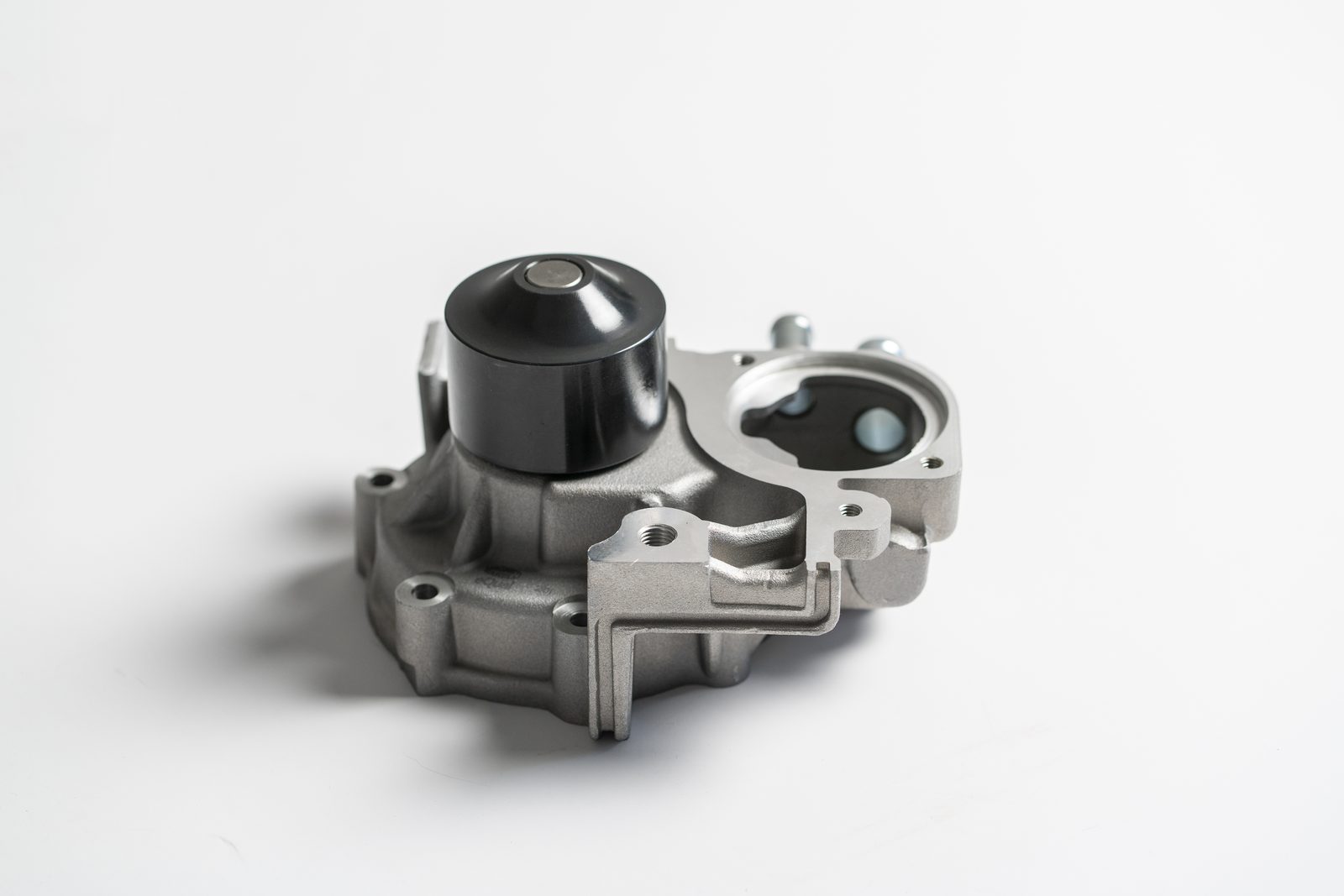
Aluminum and zinc die casting from ISO 9001 certified facilities, built for high-output non-ferrous parts.

Trusted by Programs across Tier 1 suppliers, Fortune 500 OEMs & hardware startups
  • Honda
  • Libman
  • Mahindra
  • Meyer
  • MIT
  • Amazon
  • Bloom Energy
  • Circor
  • Halliburton
  • Honda
Die Casting capabilities

Technical Capabilities

Review core die casting capabilities, materials, tolerances, inspection methods, and production requirements before requesting a quote.

Production envelope · Verified
Aluminum and zinc alloys 01
2 metals
Internal porosity verified 02
X-ray
Thin walls and inserts 03
Net-shape
Materials
Aluminum alloys (A380, ADC12) and zinc alloys (Zamak 3, Zamak 5); magnesium reviewed case by case
Process
High-pressure die casting (hot chamber and cold chamber), with semi-solid metal casting reviewed case by case for higher-integrity parts
Request a Quote

See Our Process Or same-day technical feasibility review

Die Casting Routes

01 / 06
  1. High-Pressure Die Casting HDC-01
    Route 01

    High-Pressure Die Casting

    Thin-wall aluminum and zinc parts injected under high pressure for high-volume runs.

    View capability
  2. Aluminum Die Casting ADC-02
    Route 02

    Aluminum Die Casting

    Lightweight aluminum castings in cold chamber, machined and finished to drawing.

    View capability
  3. Zinc Die Casting ZDC-03
    Route 03

    Zinc Die Casting

    Fine-detail zinc castings on fast hot-chamber cycles, X-ray verified.

    View capability
  4. Hot Chamber Die Casting HCDC-04
    Route 04

    Hot Chamber Die Casting

    Low-melt zinc parts on short cycle times for high throughput.

    View capability
  5. Cold Chamber Die Casting CCDC-05
    Route 05

    Cold Chamber Die Casting

    Aluminum alloys cast at high pressure, kept apart from the injection system.

    View capability
  6. Low-Pressure Die Casting LDC-06
    Route 06

    Low-Pressure Die Casting

    Thicker-wall, pressure-tight structural parts filled under controlled low pressure.

    View capability

Production Process

01 DFM Review
02 Tooling
03 Trial Shots
04 Production
Next step

Ready for technical review?

Share your part details, drawings, or CAD files. Redstone will review the requirements and confirm feasibility, tolerances, materials, lead time, and next steps.

  • Feasibility review based on your drawing or CAD file
  • Material, tolerance, and production requirements confirmed
  • Quote reviewed within 24 hours
Get started Request a Quote or Talk to an Engineer

Final specifications are confirmed during the technical feasibility review.

Why Redstone

Quality, cost, and a clear fit

Redstone helps hardware teams move from released drawings to repeat production with documented quality, competitive unit costs, and engineering support from the U.S.

  • ISO 9001 certified facilities
  • U.S.-based engineering support
  • Direct manufacturing partner
Quality

Inspected and X-ray verified

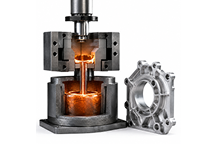
Every casting runs to ISO 9001 with dimensional inspection and X-ray analysis to catch porosity before parts ship. Each shipment carries the documentation a customer quality audit expects.

  • ISO 9001 certified facilities
  • Dimensional inspection on every program
  • X-ray analysis for internal porosity
  • Certificate of Conformance with every shipment
Cost

Low per-unit cost at volume

Die casting carries higher tooling cost, so it pays off on recurring production where automated runs drive the per-part price down. We quote on landed cost, with tooling, freight, and duties in the number before you see it.

  • Low per-unit cost across high-volume runs
  • Tooling, freight, and duties quoted up front
  • Unit pricing by volume tier
  • No offshore quote desk between you and the production line
Fit

Is this a fit?

Redstone is built for hardware OEMs moving non-ferrous parts into sustained production. If you are running aluminum or zinc components at recurring volume from released drawings, this is the lane.

  • Hardware OEMs and Tier 1 suppliers
  • Aluminum and zinc die castings
  • Medium to high recurring production volumes
  • Complex, thin-wall geometries from released drawings
Parts built for production

What we produce

Redstone supports production metal parts across automotive, electronics, industrial equipment, and consumer hardware programs.

Automotive components

Automotive components

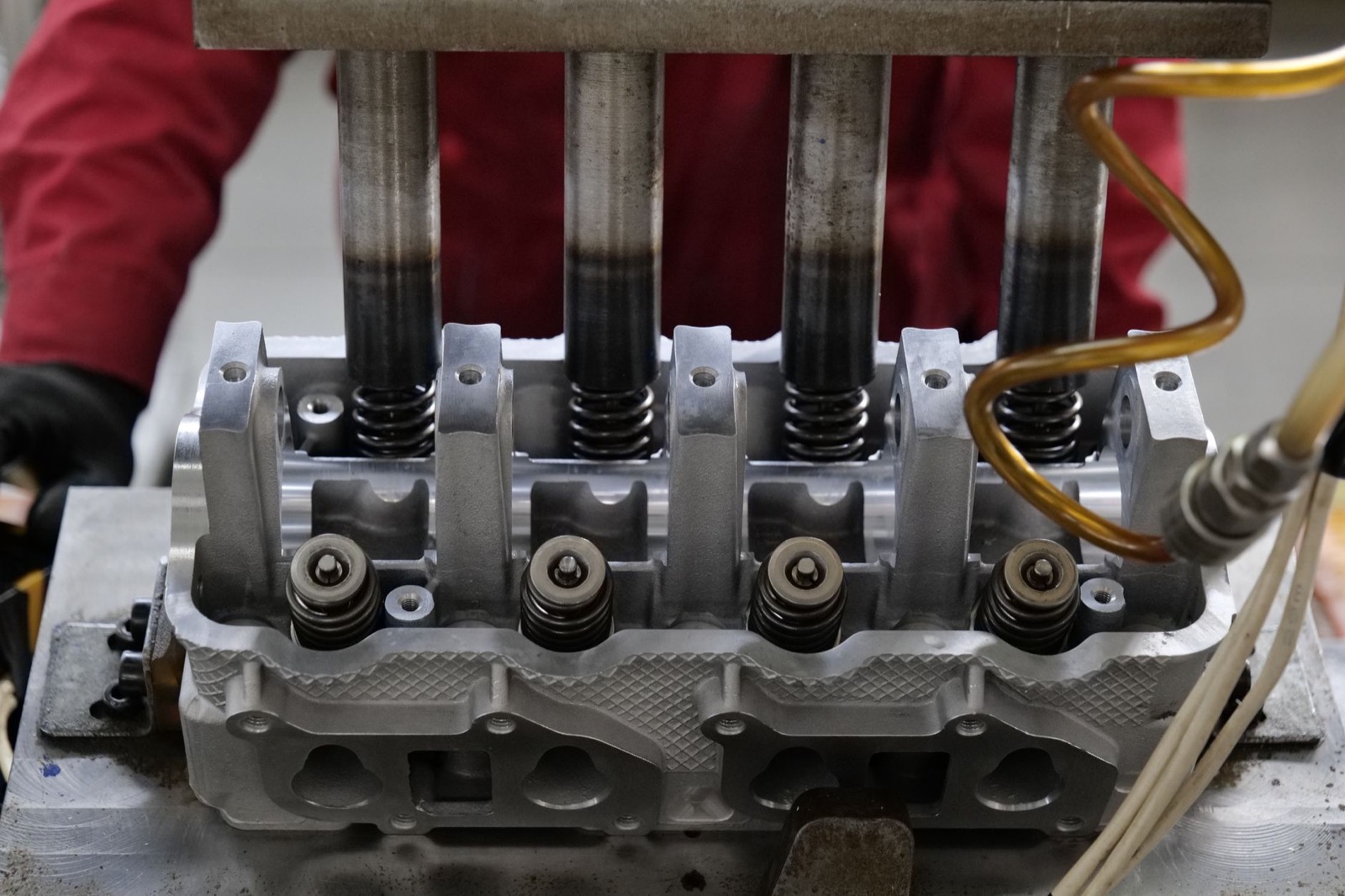
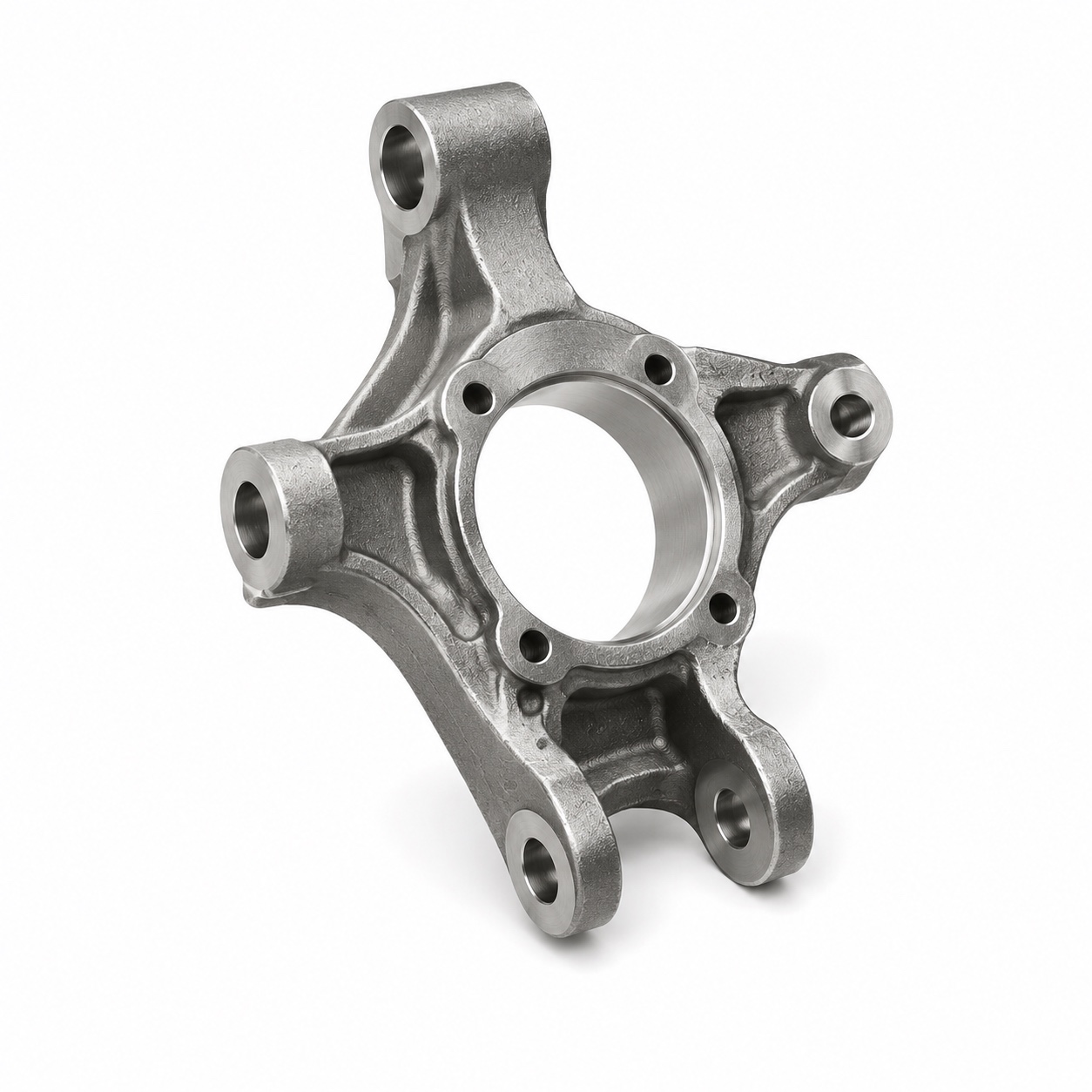
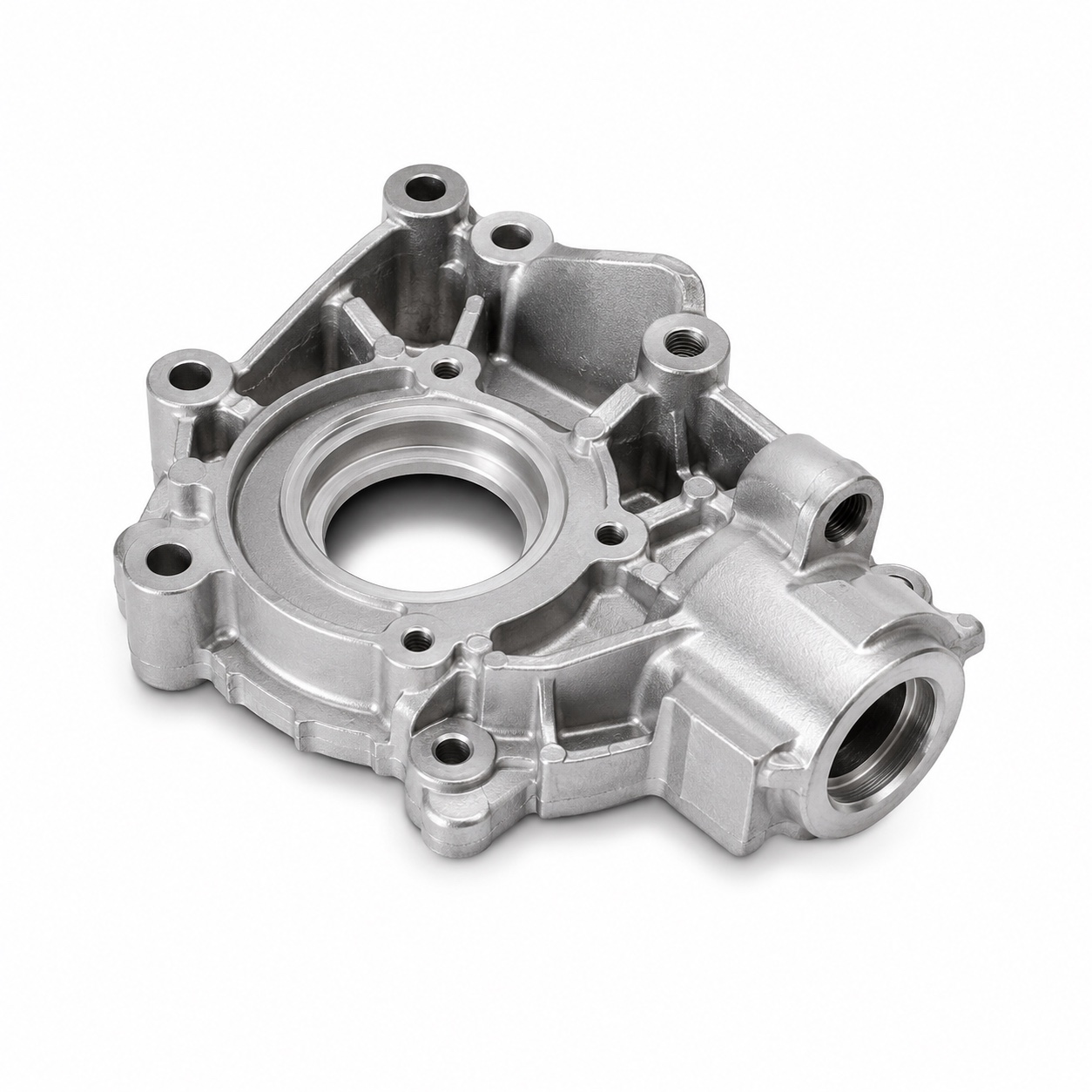
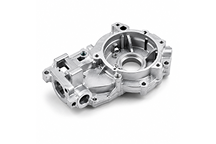
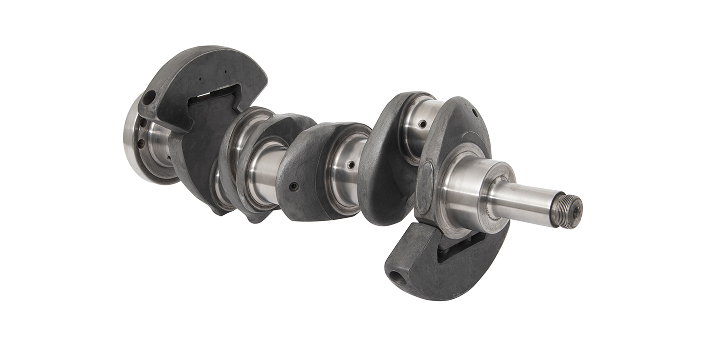
Engine components, housings, brackets, and structural parts die cast in aluminum and zinc and inspected to ISO 9001 for sustained automotive production.

Electronics enclosures

Electronics enclosures

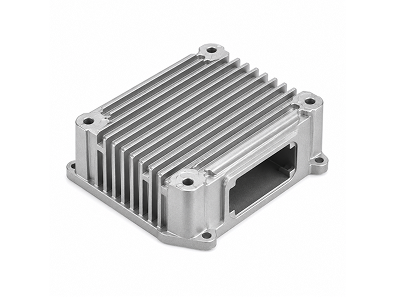
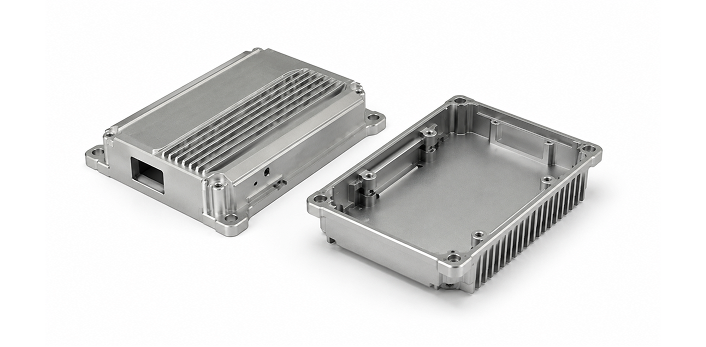
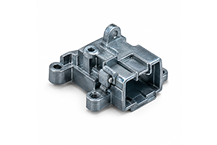
Die-cast aluminum enclosures, heat sinks, and connector housings held to tight dimensional control for electronic devices.

Industrial equipment parts

Industrial equipment parts

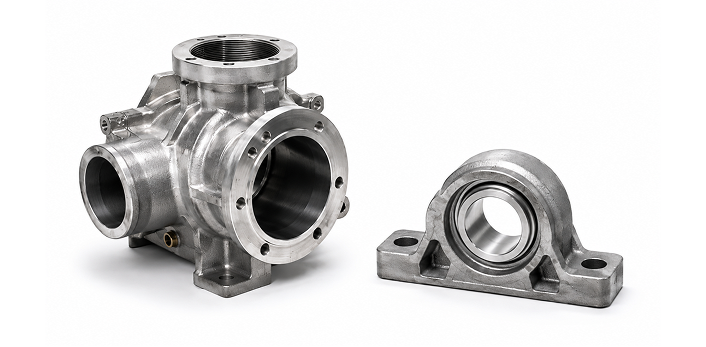
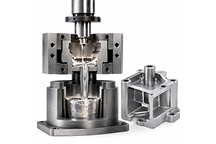
High-strength aluminum and zinc components for heavy industrial hardware, produced on recurring annual volume.

Consumer hardware

Consumer hardware

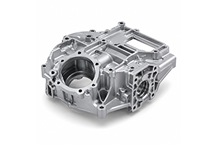
Durable, cosmetic-grade die-cast parts with finishing matched to functional and appearance requirements.

From quote to production

A five-step process, documented at every handoff

From initial drawings to final delivery, Redstone keeps each stage clear, documented, and aligned with production requirements.

Each handoff is documented. No stage moves forward until drawings, materials, and production requirements are confirmed with the customer.

  1. 01

    Submit Your Drawings

    Upload your 3D model or technical drawing. Our engineering team reviews every submission for manufacturability and recommends hot or cold chamber casting before quoting.

  2. 02

    Receive a Quotation

    A detailed quote covering material options, tooling cost, unit pricing by volume tier, lead time, and finish options. One U.S. point of contact, start to finish.

  3. 03

    Tooling and Die Fabrication

    We produce custom steel dies with single or multi-cavity layouts optimized for your part geometry and production volume, prove the tooling with a first-article prototype, then release to production.

  4. 04

    Production Run

    Molten metal is injected under high pressure into the die cavity, cooled, and ejected, with in-process checks that keep the process repeatable and hold consistent quality across the run.

  5. 05

    Finishing, Inspection, and Delivery

    Each casting is cleaned, deburred, and finished, then inspected. We are the importer of record and coordinate freight to your dock with a Certificate of Conformance.

Industries

Industries we cast for

Redstone supports production die casting programs for OEMs and engineering-led teams that require repeatable quality, controlled costs, and reliable part production.

  • Automotive

    Automotive

    Production components for automotive Tier 1 and Tier 2 suppliers and specialty OEM programs, run to IATF 16949 in certified facilities with U.S. engineering oversight from quote through delivery.

    • You run automotive components at production volume, not one-off prototypes.
    • Your program needs IATF 16949 quality and audit-ready documentation.
    • You are a Tier 1 or Tier 2 supplier, or a smaller OEM program that wants production-grade quality without a large-OEM minimum-order gate.
  • Electronics

    Electronics

    Production die casting components for electronics programs, run to documented quality with U.S. engineering oversight.

    • Recurring production volume
    • Documented dimensional inspection
    • One U.S. point of contact
  • Industrial Equipment

    Industrial Equipment

    Cast, machined, and fabricated components for industrial equipment programs, run to ISO 9001 with U.S. engineering oversight from quote through delivery.

    • You run cast, machined, or fabricated components at production volume, not one-off prototypes.
    • Your equipment operates in demanding service environments.
    • You want to consolidate multiple processes with one supplier and one U.S. point of contact.
  • Consumer Products

    Consumer Products

    Production die casting components for consumer products programs, run to documented quality with U.S. engineering oversight.

    • Recurring production volume
    • Documented dimensional inspection
    • One U.S. point of contact
  • Energy

    Energy

    Production die casting components for energy programs, run to documented quality with U.S. engineering oversight.

    • Recurring production volume
    • Documented dimensional inspection
    • One U.S. point of contact

Not sure if die casting fits your part?

Final step

Ready to review your part?

Share your drawings, CAD files, or production requirements. Redstone will review feasibility, materials, tolerances, lead time, and the best manufacturing path for your program.

  • ISO 9001 and IATF 16949 certified facilities
  • U.S.-based engineering support
  • Quote reviewed within 24 hours
  • Production support across Redstone’s facilities in the U.S., Mexico, and China
Resources

From the engineering desk

Visit the Resource Hub

Frequently asked questions

Don’t see your question? Request a quote and our engineering team will answer it.

What are the types of die casting?

There are two primary processes: hot chamber and cold chamber. Hot chamber suits low-melting-point metals such as zinc and offers fast cycle times. Cold chamber suits aluminum, keeping the molten metal separate from the injection system. Our engineering team recommends the right process at the feasibility review.

What is the difference between gravity and pressure die casting?

Pressure die casting forces molten metal into the mold under constant pressure until it solidifies, which fills the mold quickly and supports higher production volume. Gravity casting fills the mold from the bottom up using gravity. Pressure die casting costs more to set up, so it suits recurring volume rather than short runs.

What metals can you die cast?

We die cast aluminum alloys such as A380 and ADC12 and zinc alloys such as Zamak 3 and Zamak 5, with magnesium reviewed case by case. Aluminum is lightweight, conductive, and corrosion resistant; zinc has a low melting point that supports fast cycles and adds impact strength and ductility. Our engineering team confirms the best alloy for your part.

What are the advantages of die casting?

Die casting produces complex, dimensionally stable parts at high speed with thin walls and an excellent surface finish, often with little or no post-run machining. That makes it cost effective for high-volume non-ferrous production.

What finishing options are available for die cast parts?

Die cast parts can ship as-cast or with secondary finishing including CNC machined surfaces, bead blasting, powder coating, painting, anodizing, chromate conversion coating, electroless nickel, and electroplating. The right finish depends on whether corrosion resistance, electrical conductivity, or cosmetic appearance is the priority, and our engineering team confirms it at the feasibility review.

Can you machine die cast parts after casting?

Yes. Die casting produces near-net-shape parts, but features such as threaded holes, sealing faces, and tight mating surfaces are finished with secondary CNC machining. Combining casting with post-machining gives you the low per-unit cost of casting with the dimensional accuracy of machining where it matters.

What are the disadvantages of die casting?

Die casting carries high upfront tooling cost, so it is not economical for one-off parts or very low volumes, and the process is limited to non-ferrous alloys such as aluminum, zinc, and magnesium. It earns out on recurring production where the tooling cost amortizes across the run and the automated cycle drives the per-part price down.

What are your standard lead times?

Standard production lead time is 4 to 8 weeks, with tooling and first-article timing confirmed at the quote stage. Rush programs can be reviewed case by case.

Is there a minimum order?

Die casting carries high tooling cost, so it is built for recurring production rather than one-off parts. We will tell you at the quote stage whether your volume is a fit and recommend the most cost-effective process.

What is the most common design mistake in die casting?

Inconsistent wall thickness. Non-uniform walls cause uneven fill and cooling during the casting cycle, leading to porosity, sink marks, and warpage. Parts designed for machining or fabrication often fight the casting process because the shape was not created with casting intent. Redstone reviews every part for wall-thickness uniformity, adds draft-angle guidance, and runs mold-flow analysis to catch high-porosity zones before tooling is cut.

How do you choose between die casting, investment casting, and sand casting?

The three main decision variables are material, part complexity, and volume. Aluminum plus complex shapes at meaningful volume points to die casting. Iron or steel plus intricate detail points to investment casting. Iron or steel plus simpler shapes or low volume points to sand casting, where tooling cost is low. In practice, facility capability, existing tooling, and lead-time constraints matter as much as any process-material fit chart. Redstone helps you select the right process for your specific part, not a lookup table.

What causes porosity in die cast parts, and how is it prevented?

Porosity in die cast parts is driven by wall-thickness inconsistency, gating design, and alloy or process mismatch. Trapped air in the die cavity creates internal voids that can affect mechanical properties and seal integrity. Prevention starts at DFM: wall-thickness review, process capability validation, optimized gating, and vacuum-assisted casting. Where leak integrity matters, X-ray inspection or leak testing is built into the control plan.

How does Redstone guarantee die cast part quality?

Redstone guarantees every part and will repair, replace, or refund. If a shipment fails inspection, the response is structured: 100% sort of the affected lot, containment of nonconforming inventory, root cause analysis before any corrective action, and a permanent fix to prevent recurrence. Options include Redstone-funded rework, air-freighted replacements, or credit for the affected pieces.