
Quoting process
Quotes are generated through a structured evaluation process, including technical feasibility review and alignment with cost and delivery requirements.
Cut your costs, not your quality.
CNC machined parts from our own Seattle facility, plus casting and fabrication at our facilities in Mexico and Asia. One U.S. engineering team accountable for every part.









 Global Manufacturing, American Quality Since 2018
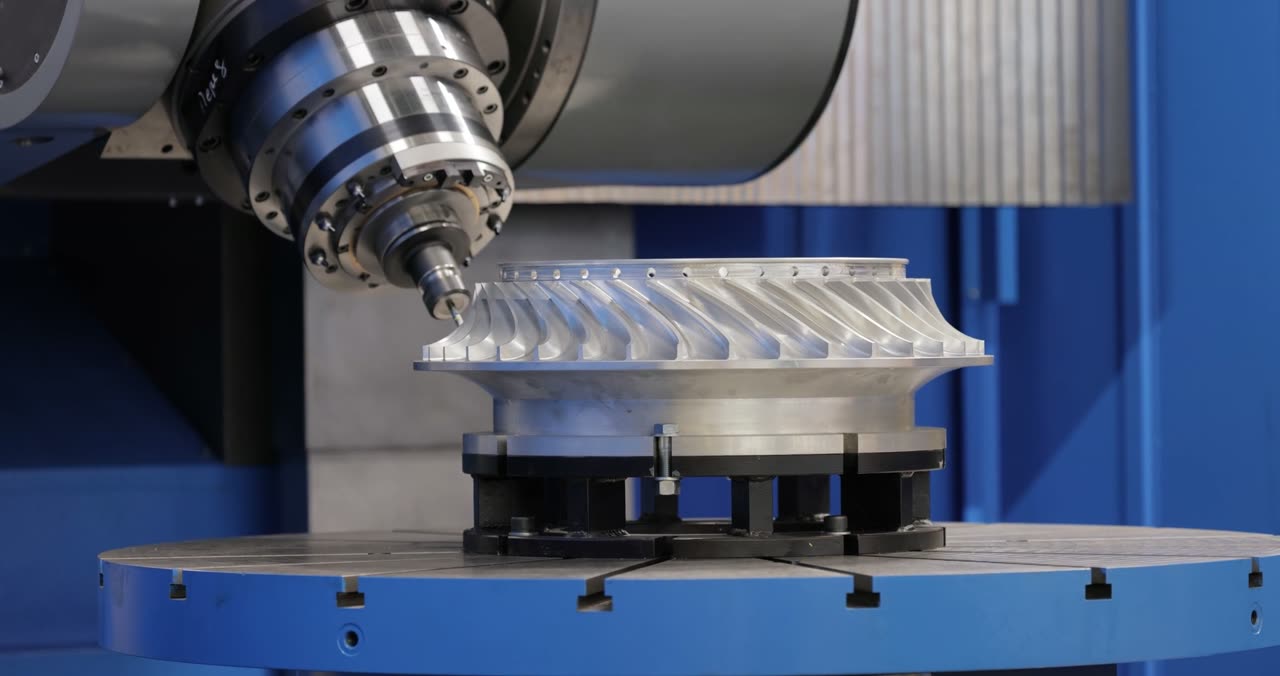
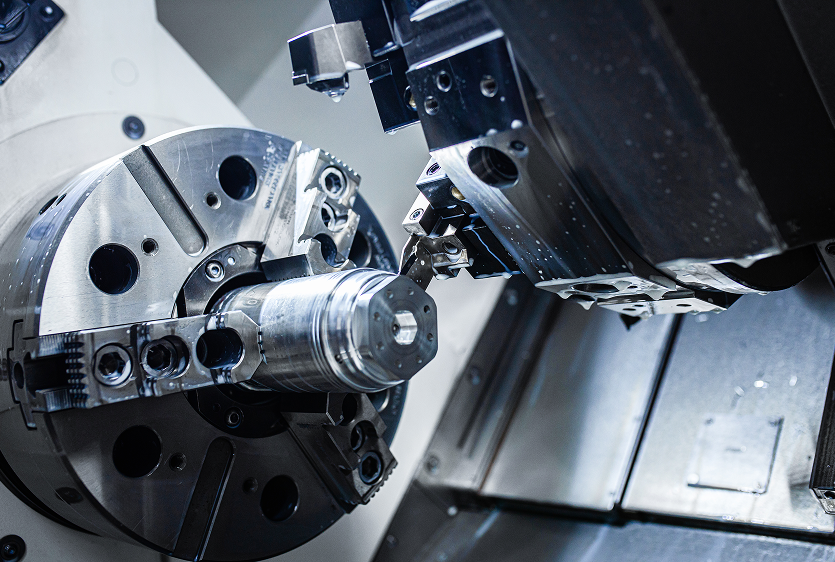
 Automated, high-volume precision machining for regulated and performance-driven industries.
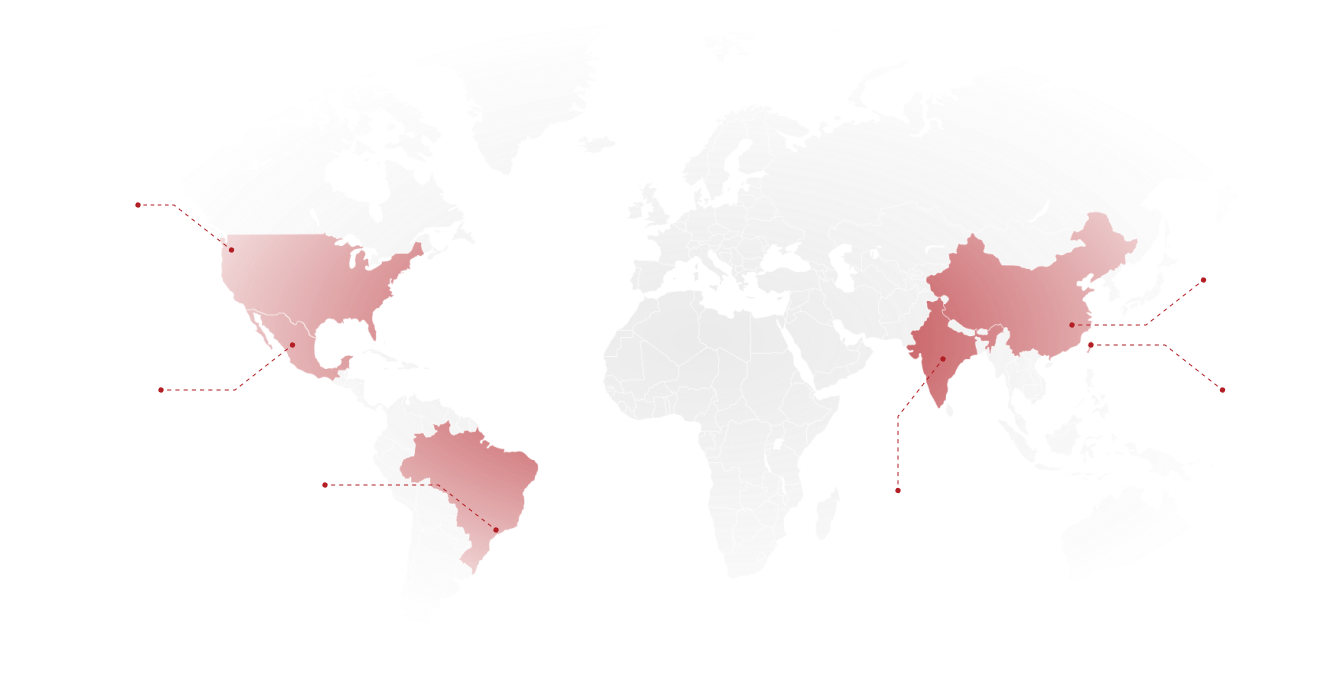
Manufacturing facilities in China, Mexico, and the United States, allowing each project to be produced in the most cost-effective and efficient environment.
All production is coordinated through a centralized management process to ensure consistency, quality, and delivery reliability across regions.
Materials
Aluminum, Zinc Alloys
Industries
Automotive, Industrial Equipment, Electronics, Consumer Products
Materials
Stainless Steel, Carbon Steel, Alloy Steel, Aluminum
Industries
Aerospace, Medical Devices, Industrial Equipment, Defense
Materials
Iron, Steel, Aluminum, Bronze
Industries
Heavy Equipment, Automotive, Industrial Machinery, Energy
Materials
Aluminum, Stainless Steel, Titanium, Brass, Copper, Engineering Plastics
Industries
Aerospace, Medical Devices, Defense, Automotive
Materials
Steel, Stainless Steel, Aluminum
Industries
Industrial Equipment, Electronics, Automotive, Construction
Materials
Stainless Steel, Low-Alloy Steel, Tool Steel
Industries
Medical Devices, Automotive, Defense, Electronics
Materials
ABS, Nylon, Polycarbonate, PEEK, Polypropylene
Industries
Medical Devices, Consumer Products, Automotive, Electronics
U.S. Manufacturing Standards.
Overseas production lowers costs, while U.S. based engineering oversight ensures consistent quality.
We manufacture in Mexico and Asia in the facility and country that best align with your cost targets, technical requirements, and long-term order stability.
Every order is led by a U.S. based engineer who coordinates production, supplier communication, and logistics under a single U.S. contract.
Multi-region production also provides built-in flexibility. If tariffs or trade conditions shift, orders can transition between qualified facilities without restarting validation from scratch.
Trusted for Complex Manufacturing Orders
Regardless of where parts are produced, every part follows the same controls:
Quotes are generated through a structured evaluation process, including technical feasibility review and alignment with cost and delivery requirements.
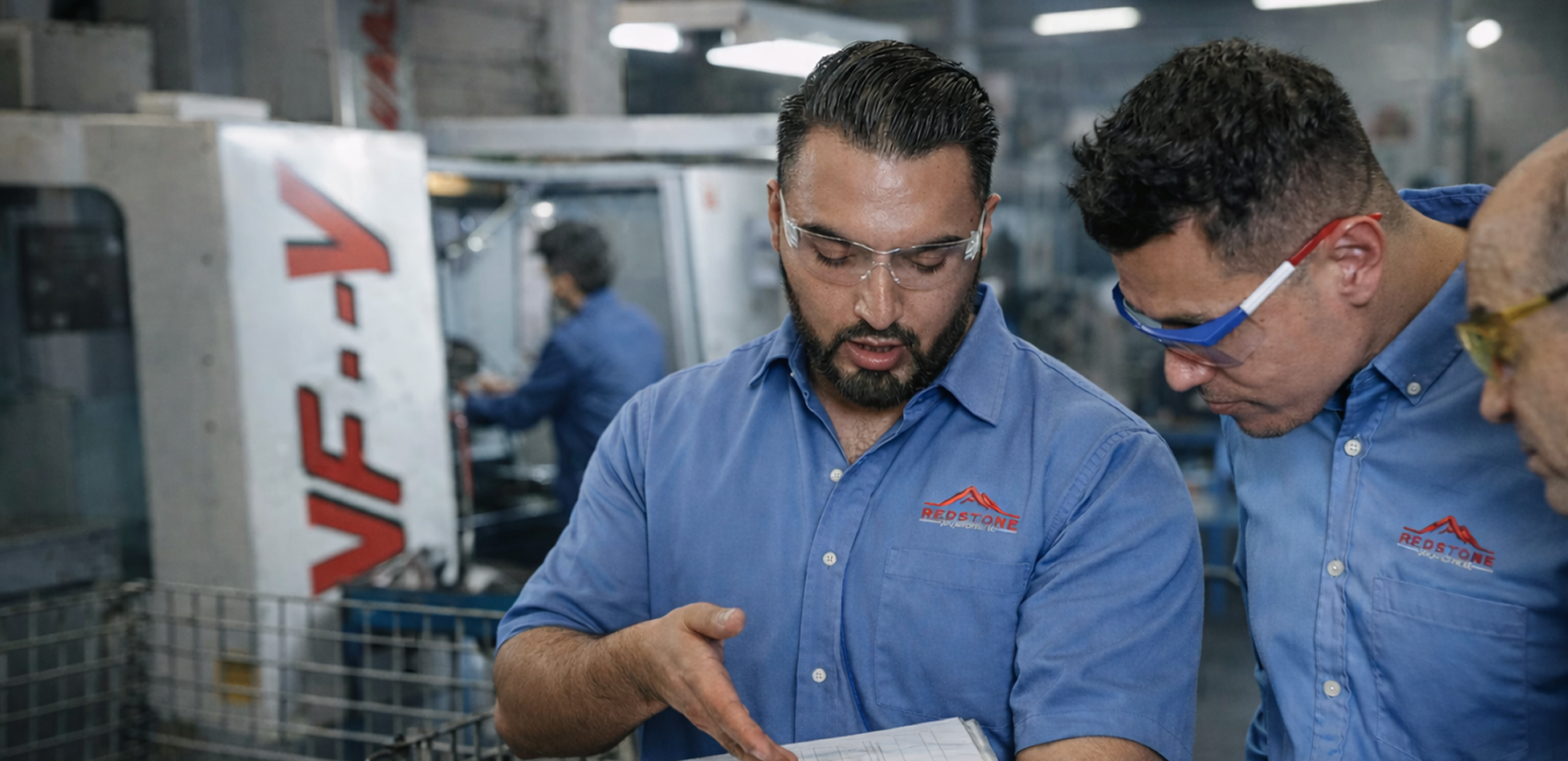
Each order is initiated under a single Redstone contract, with production planning aligned to technical requirements, cost targets, and delivery timelines.
Production is executed across a broad range of manufacturing processes, with scalable capacity and ISO 9001 aligned quality management systems.
Every part is validated through defined inspection processes to ensure consistency, accuracy, and compliance with regulated industry standards.
Reliable delivery timelines supported by coordinated production planning and centralized logistics execution.
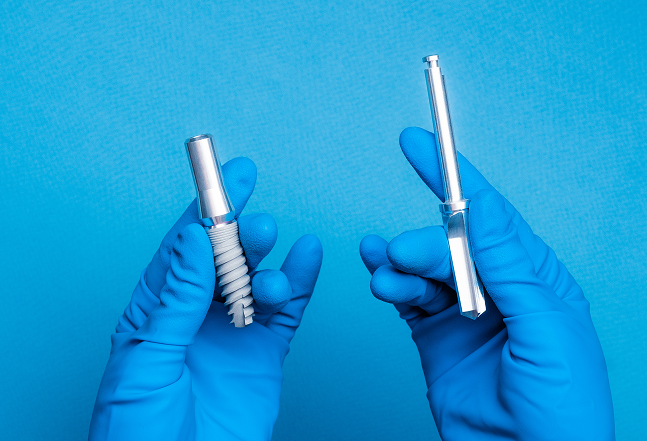
Precision-machined components for devices and instruments requiring tight tolerances, material traceability, and documented quality processes. Production runs to ISO 9001 with inspection records on every lot, so your quality file is audit-ready from the first shipment.
Mission-critical parts manufactured to MIL-SPEC requirements with full traceability, AS9100-certified facilities, and zero tolerance for failure. Safety-critical features are held with CMM verification and documented on every production run.
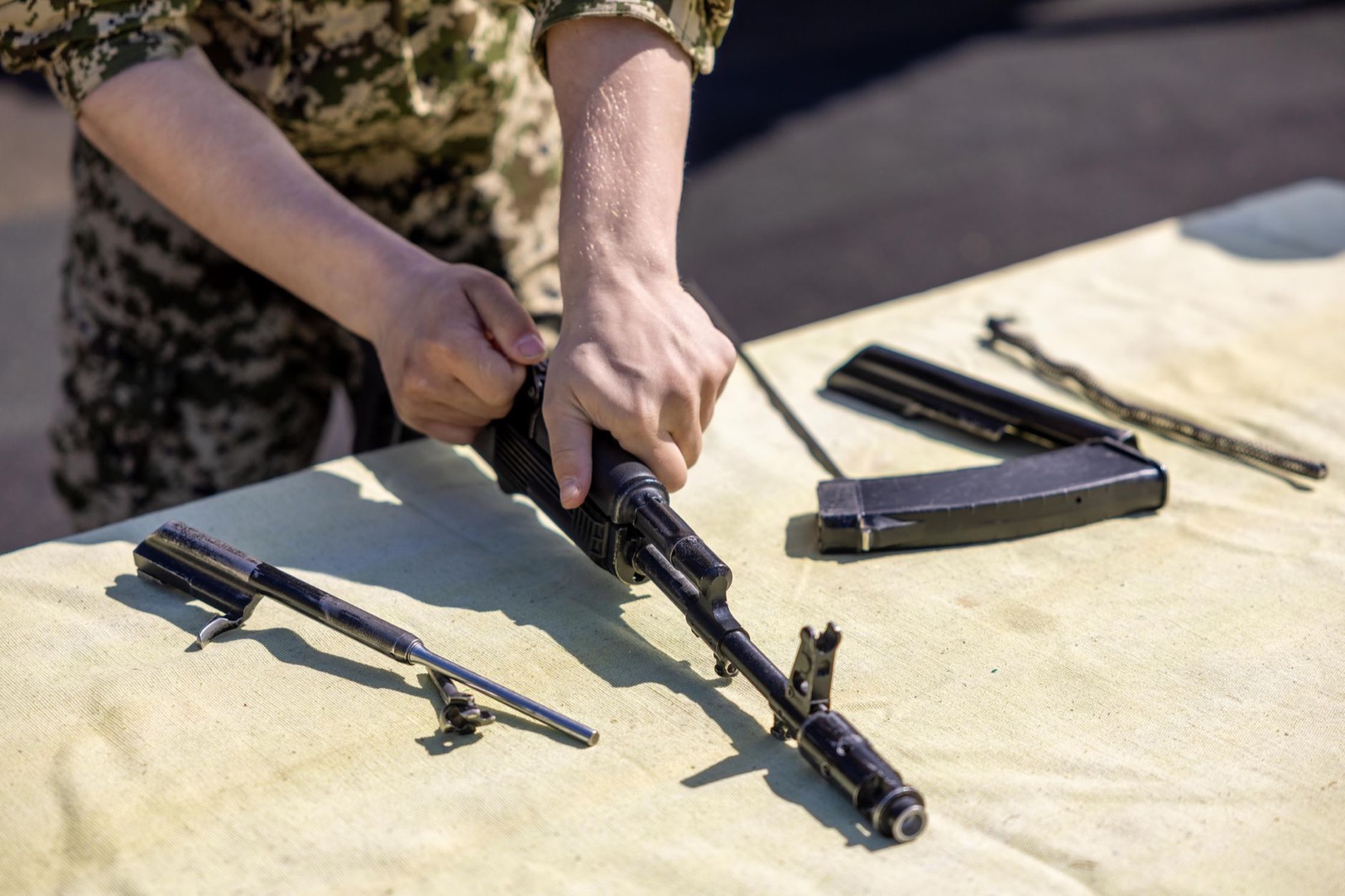
Tight-tolerance receivers, barrels, and trigger assemblies machined from billet aluminum, carbon steel, and stainless steel on 5-axis CNC. Dimensional control on mating features is verified by CMM, with material certs and inspection records on every lot.
Production-ready castings and machined components for OEM and Tier 1-3 suppliers, manufactured under IATF 16949 automotive quality certification, with the PPAP and APQP documentation an automotive customer audit expects.
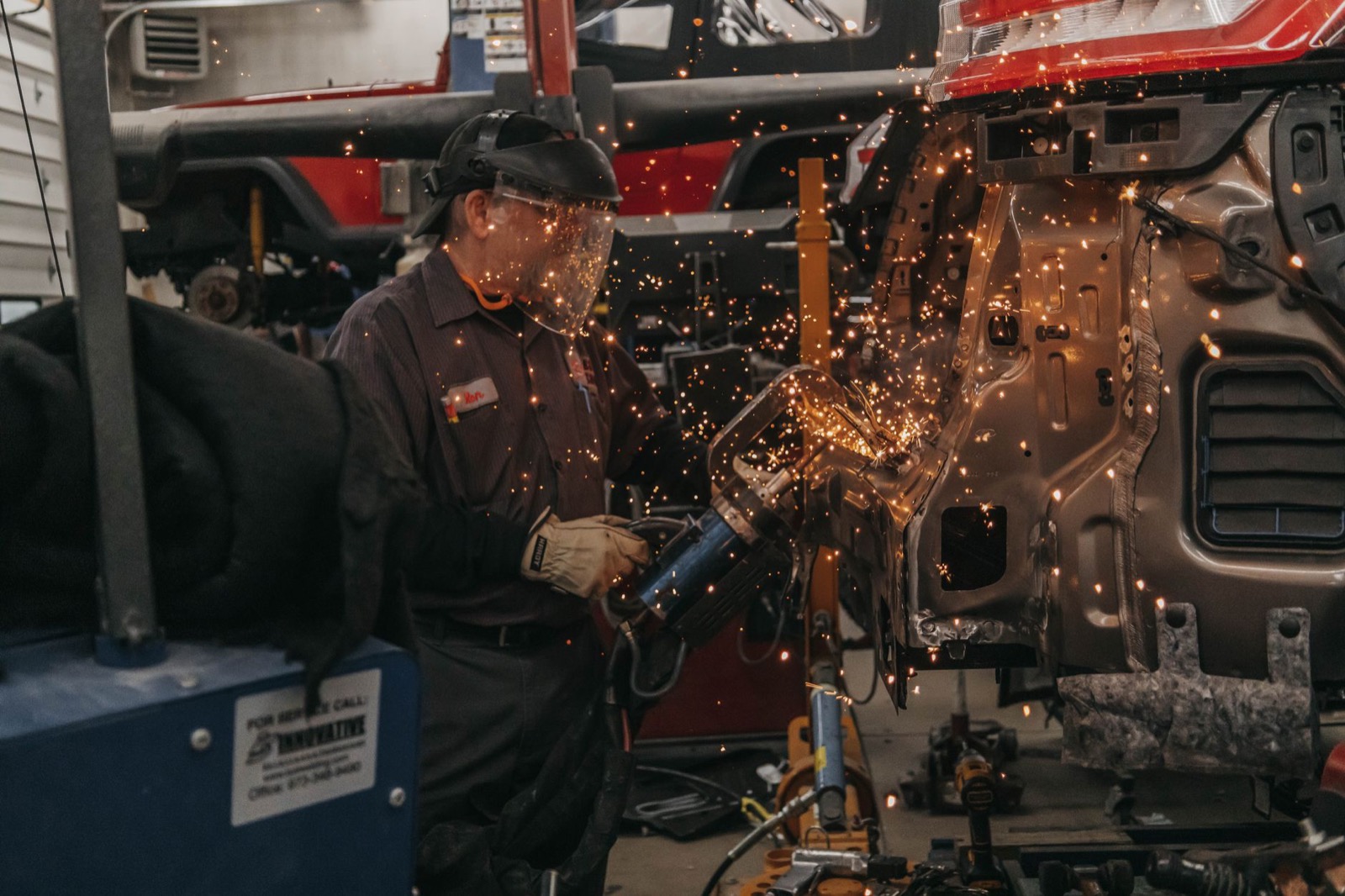
Heavy-duty castings up to 7,000 kg, CNC-machined structural components, and robotic-welded assemblies for equipment operating in demanding environments. Casting, machining, and fabrication run under one supplier, so multi-process parts arrive finished.
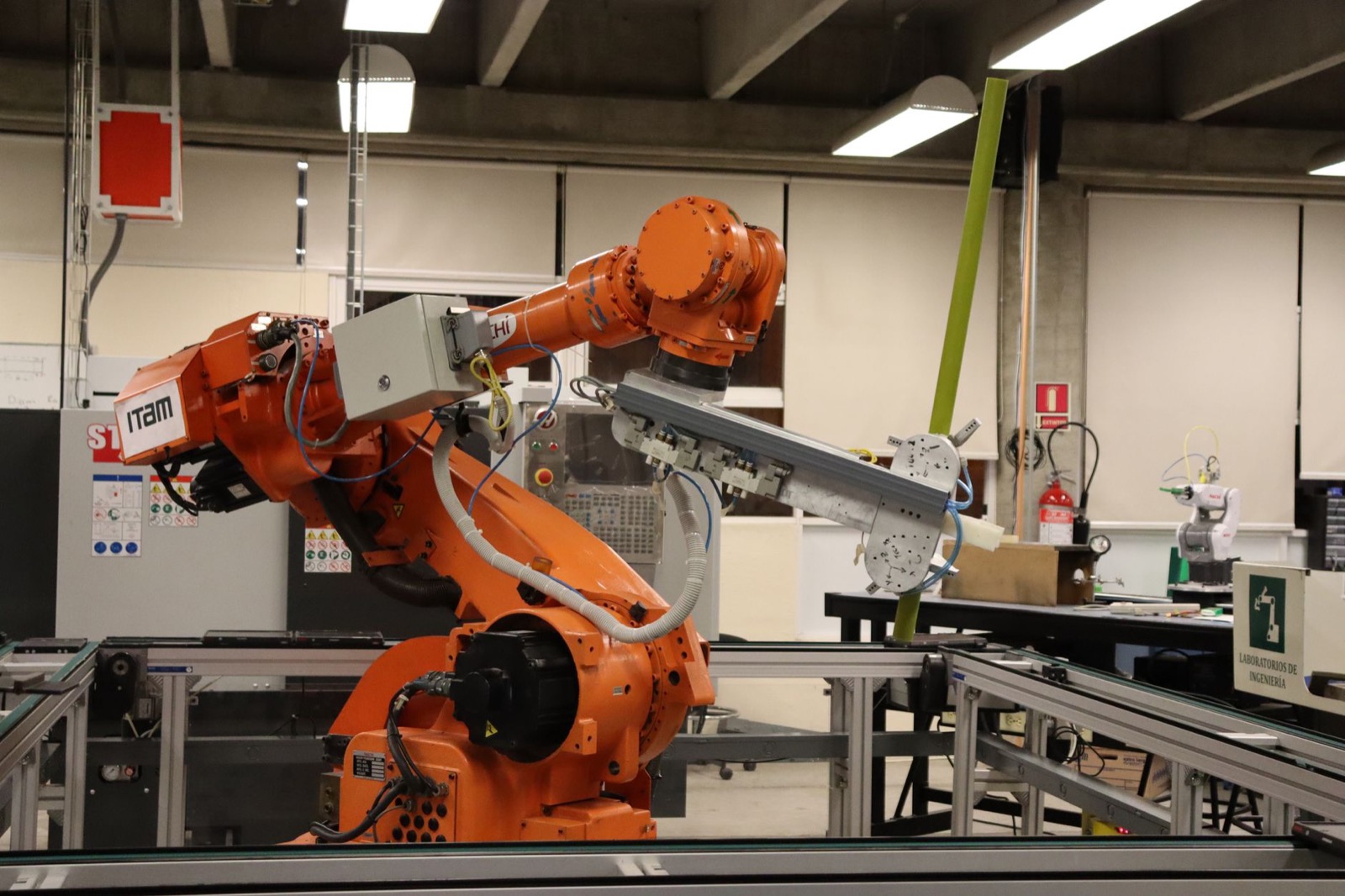
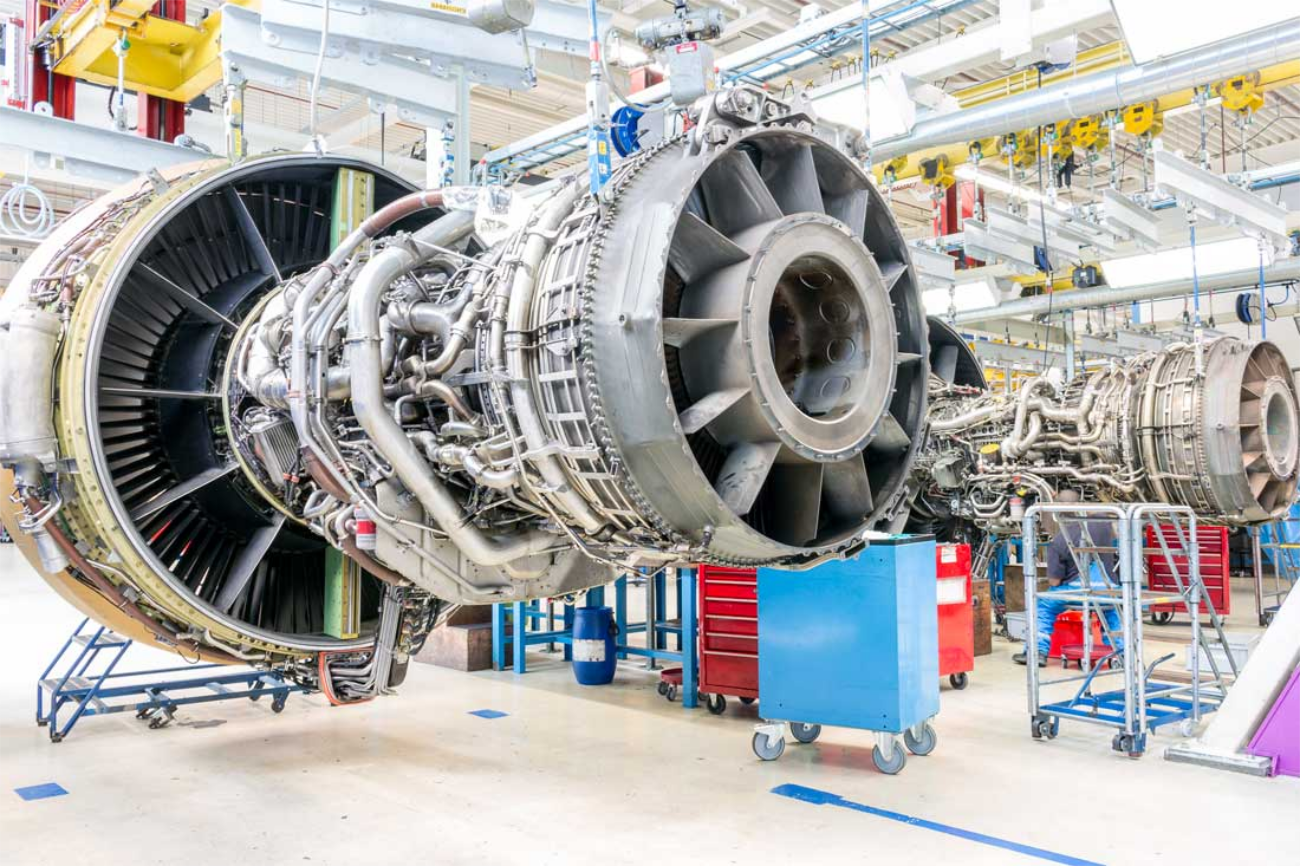
Flight-critical components manufactured under AS9100-certified quality systems with full dimensional reporting and material certification, from first article through recurring production.

Send your drawings or design files and our U.S. team will quote your parts and the most cost-effective way to make them.
Didn’t find an answer for you question, Contact us
Lead times vary based on part complexity, material, and production volume.
Most projects range between 4–8 weeks, including machining, finishing, and delivery.
Expedited timelines may be available depending on capacity and project scope.
High-complexity components produced with controlled manufacturing processes and we support both low-volume and high-volume production.
MOQ depends on the manufacturing process:
Our team will recommend the most cost-effective approach based on your requirements.
Pricing is based on:
Projects are matched to the most cost-efficient production region to optimize overall cost.
Yes, all projects include engineering review and Design for Manufacturability (DFM) validation.
We assess:
This ensures efficient and reliable production before manufacturing begins.
All production follows structured quality processes, including:
We support ISO 9001 and IATF 16949 aligned systems, depending on project requirements.
We support a wide range of materials, including:
Material selection is based on performance requirements and application needs.
All programs are coordinated through a centralized management process.
This includes:
Ensuring consistency and accountability across all regions.
Regardless of production location, all projects follow the same engineering, inspection, and documentation standards.
This ensures consistent quality, repeatability, and performance across every production run.
How part geometry, annual volume, and tolerance decide which casting process fits your program, with the cost and lead time tradeoffs spelled out.
Casting vs machining compared across cost, tolerances, volume, and lead time. Learn which manufacturing process fits your metal part production needs.
Metal injection molding design requires uniform wall thickness, proper gating, and sintering shrinkage planning. Learn the key MIM part design rules before you commit to tooling.
CNC machining tolerances range from ±0.005" standard to ±0.001" tight. Learn the standards, callout types, and charts that keep rework and cost under control.
2024 and 6061 are both workhorse aerospace alloys, but they serve opposite needs: 2024 delivers high strength and fatigue resistance under tension, while 6061 offers superior corrosion resistance, weldability, and fabrication versatility.
7075 aluminum nearly doubles the tensile strength of 6061 and dominates aerospace tooling, but it is generally considered non-weldable and harder to form. 6061 offers superior corrosion resistance, weldability, and fabrication versatility for a broader range of industries.
A reference guide to JIS G3141 cold-rolled steel grades (SPCC, SPCD, SPCE): equivalent standards, production process, and applications in automotive, construction, and appliances.
6061 aluminum can be bent, but its precipitation-hardened T6 temper makes it prone to cracking if handled without the right techniques. Proper bend radii, annealing, and controlled heating are all essential for successful results.
3003 and 6061 are two widely used aluminum alloys with complementary strengths. 6061 excels in structural applications requiring strength and machinability, while 3003 is preferred for forming and aesthetics.
ISO 9001, IATF 16949, PPAP, and the inspection records that should ship with every production lot. A checklist for evaluating a supplier.
Overseas production delivers cost savings, but only with proper U.S. oversight. Learn how a single American contact simplifies the entire process.
Weighing the benefits and drawbacks of outsourcing manufacturing to countries like Mexico, China, and India. Learn how to evaluate partners and protect your supply chain.
Browse Redstone processes, materials, and secondary operations that support production-ready metal parts.