
Understanding the Basics of 6061 and 7075 Aluminum Alloys
The 6061 alloy, part of the 6XXX series, offers excellent formability, weldability, and corrosion resistance and is commonly used for frames, fixtures, and automotive components. In contrast, 7075 (7XXX series) is valued for its remarkable hardness and tensile strength, making it suitable for aerospace applications requiring high strength-to-weight ratios. The 6061 contains higher silicon content while 7075 features higher zinc content.
Comparative Analysis of Mechanical Properties
The 7075-T6 variant demonstrates tensile strength nearly double that of 6061-T6, alongside superior fatigue resistance under cyclic loading. However, 7075 commands a higher price point due to enhanced characteristics.
Regarding weldability, 6061 performs substantially better, with reduced cracking risk. While 7075 can technically be welded, it is generally considered non-weldable due to its susceptibility to cracking post-welding.
Both alloys provide solid corrosion resistance. The 6061's magnesium and silicon content forms a protective oxide layer, offering an advantage over 7075. Both can be anodized for improved protection.
Fabrication and Machinability: 6061 vs 7075
The 6061's favorable silicon-magnesium mix makes it easier to weld than 7075, which is susceptible to cracking from its high zinc and copper content.
Despite 7075's superior hardness, this attribute makes it less forgiving during fabrication. The 6061's lower hardness enables superior formability, accommodating a wider range of shapes without fracturing.
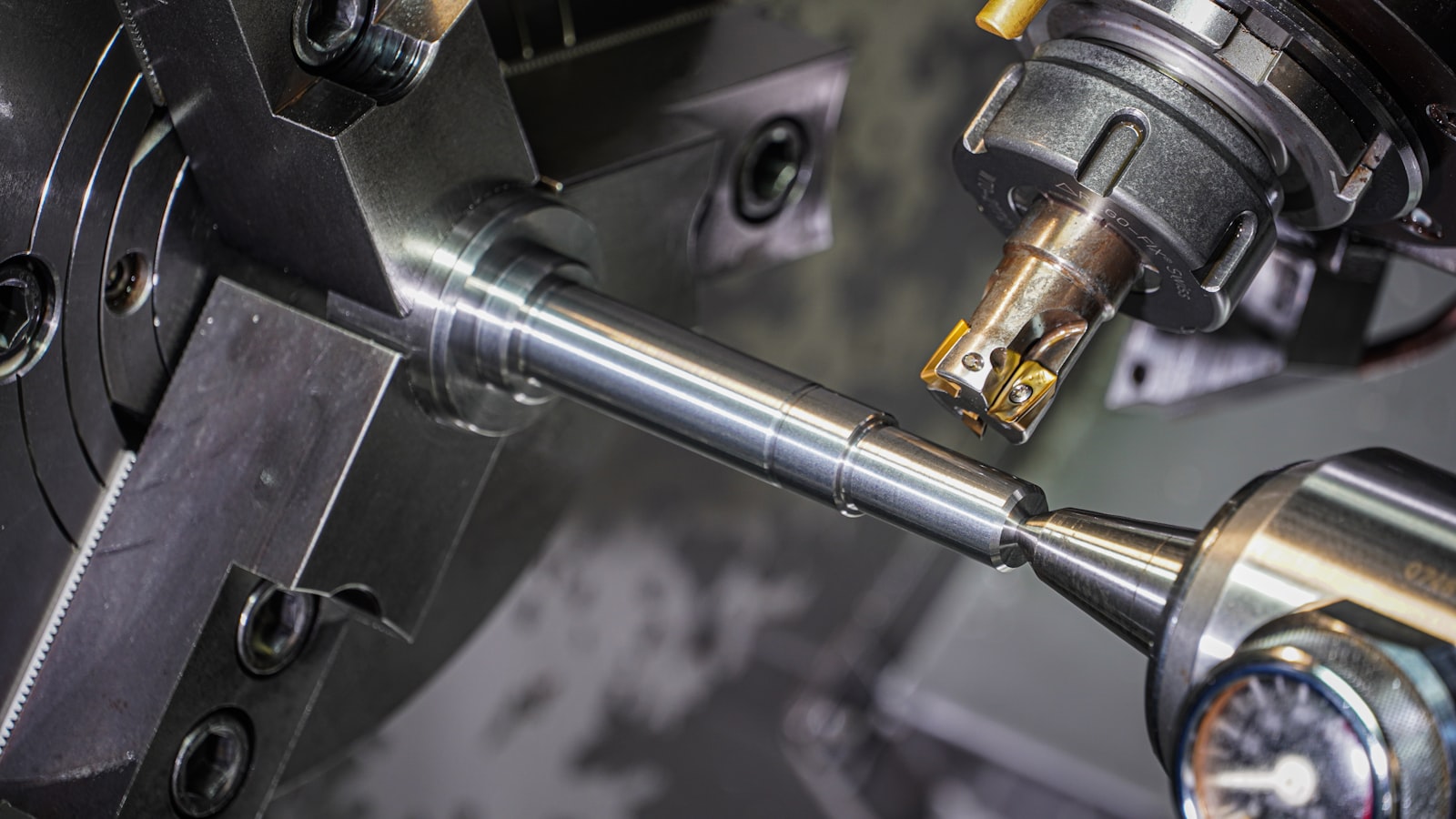
The 6061's softer composition causes less cutting tool wear, while 7075's hardness creates machining challenges through increased tool damage.
Exploring the Various Applications of Both Alloys
| Alloy | Strength | Applications |
|---|---|---|
| 6061 | High Ductility | Construction, Marine, Transportation |
| 7075 | High Strength | Aerospace, Industrial Tooling |
The 6061 is extensively applied in structural frames and tanks requiring detailed contouring, particularly in marine and transportation sectors. The 7075 dominates aerospace manufacturing for aircraft structures and industrial tooling applications.
6061 and 7075 Aluminum in the Industrial Market
Both alloys significantly contribute to aerospace, construction, and transportation sectors. The 6061 excels in applications demanding intricate shaping or welding considerations, with applications in automotive and construction. The 7075 serves high-stress aerospace components but has reduced weldability due to zinc content. Selection depends on balancing machinability, formability, strength, and corrosion resistance requirements.