



Drawing / DFM Quote / RFQ Tooling / Die Casting / Pour CNC Machining Finishing Inspection / Caliper NDT / X-ray Shipping Customs / Import Lead Time One U.S. Contact Quality Assured ISO 9001 Certified Certificate of Conformance Audit Ready Hardness / NDT Quality Cost / Landed Fit U.S. Managed Die Casting Sand Casting CNC Machining Sheet Metal Metal Injection Molding Investment Casting Automotive Medical Defense Heavy Machinery Industrial Equipment Oil & Gas Construction Agriculture Energy Aerospace Alloy / Metal

Laser Cutting Services

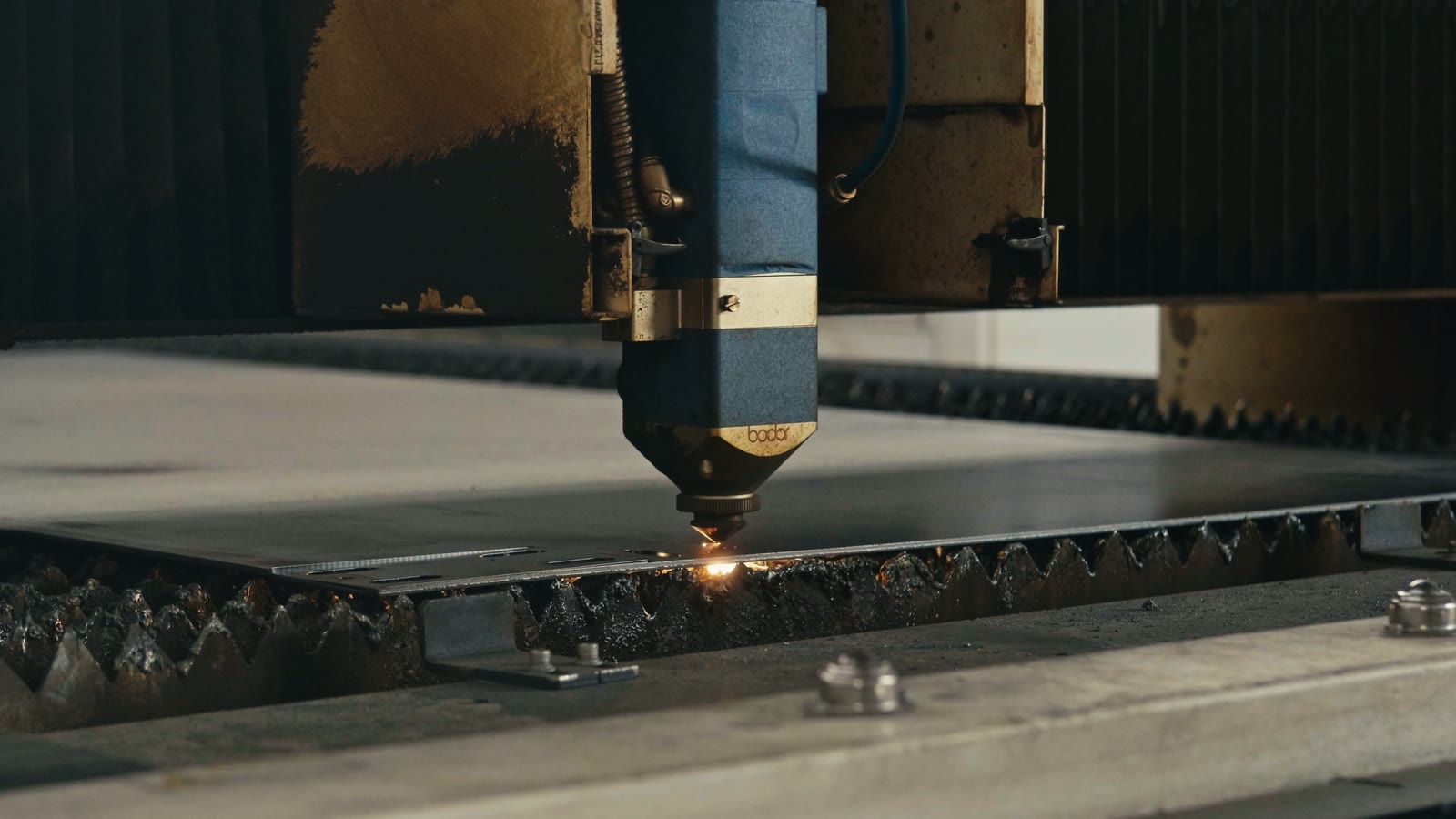
Fiber and CO2 laser cutting across a range of materials and thicknesses, from ISO 9001 certified facilities. One U.S. contact from prototype through production.

Trusted by Programs across Tier 1 suppliers, Fortune 500 OEMs & hardware startups
  • Honda
  • Libman
  • Mahindra
  • Meyer
  • MIT
  • Amazon
  • Bloom Energy
  • Circor
  • Halliburton
  • Honda
Laser Cutting capabilities

Technical Capabilities

Review core laser cutting capabilities, materials, tolerances, inspection methods, and production requirements before requesting a quote.

Production envelope · Verified
Laser types available
01
Fiber + CO2
Steel, aluminum, copper, brass + more
02
6 materials
Clean verified edge
03
Low-dross
Materials
Mild and carbon steel, stainless steel, aluminum, copper, brass, and galvanized steel. Select non-metals such as acrylic and plastic sheet cut on CO2 by program
Process
Request a Quote

See Our Process Or same-day technical feasibility review

Production specifications

Laser types
Fiber laser and CO2 laser
Thickness range
Thin gauge sheet to heavy plate; achievable thickness depends on material and laser type, confirmed at the feasibility review
Accepted files
2D DXF and DWG for cutting; STEP, IGES, and SLDPRT 3D models accepted for review and flat-pattern development
Engraving and marking
Laser engraving and part marking available alongside through-cuts on qualifying programs
Tolerances
Confirmed against your drawing at the feasibility review
Edge quality
Clean, low-dross edges; burr condition verified before shipment
Hole geometry
Minimum hole diameter and slot widths reviewed against sheet thickness
Secondary operations
Deburring, bending, welding, tapping, powder coating, and painting available
Inspection
Dimensional inspection against drawing; edge and burr verification
Certifications
ISO 9001
Standard lead time
4-8 weeks

Production Process

01 DFM Review
02 Tooling
03 First Articles
04 Production
Next step

Ready for technical review?

Share your part details, drawings, or CAD files. Redstone will review the requirements and confirm feasibility, tolerances, materials, lead time, and next steps.

  • Feasibility review based on your drawing or CAD file
  • Material, tolerance, and production requirements confirmed
  • Quote reviewed within 24 hours
Get started Request a Quote or Talk to an Engineer

Final specifications are confirmed during the technical feasibility review.

Why Redstone

Quality, cost, and a clear fit

Redstone helps hardware teams move from released drawings to repeat production with documented quality, competitive unit costs, and engineering support from the U.S.

  • ISO 9001 certified facilities
  • U.S.-based engineering support
  • Direct manufacturing partner
Quality

Clean cuts, verified to print

Every laser-cut program runs to ISO 9001 with dimensional inspection against your drawing. Edge quality, burr condition, and hole geometry are checked before parts ship, and each shipment carries the documentation a customer quality audit expects.

  • ISO 9001 certified facilities
  • Dimensional inspection on every program
  • Edge quality and burr condition verified
  • Certificate of Conformance with every shipment
Cost

Cost driven by material, time, and volume

Laser cutting has no hard tooling, so cost is determined by material type, sheet thickness, cut complexity, and order quantity. Thinner gauges cut faster and cost less per part, while thicker materials and reflective metals such as copper and brass drive cycle time. We quote on landed cost, with freight and duties in the number before you see it.

  • No hard tooling cost
  • Pricing by material, thickness, and cut volume
  • Freight and duties quoted up front
  • No offshore quote desk between you and the production line
Fit

Is this a fit?

Redstone is built for hardware OEMs and fabricators sourcing sheet metal and flat-profile parts in recurring production. If you are cutting steel, aluminum, or other metals from released drawings at consistent volume, this is the lane.

  • Hardware OEMs and contract fabricators
  • Steel, aluminum, copper, and other metals
  • Low to high recurring production volumes
  • Flat profile and sheet metal parts from released drawings
Parts built for production

What we produce

Redstone supports production metal parts across automotive, electronics, industrial equipment, and consumer hardware programs.

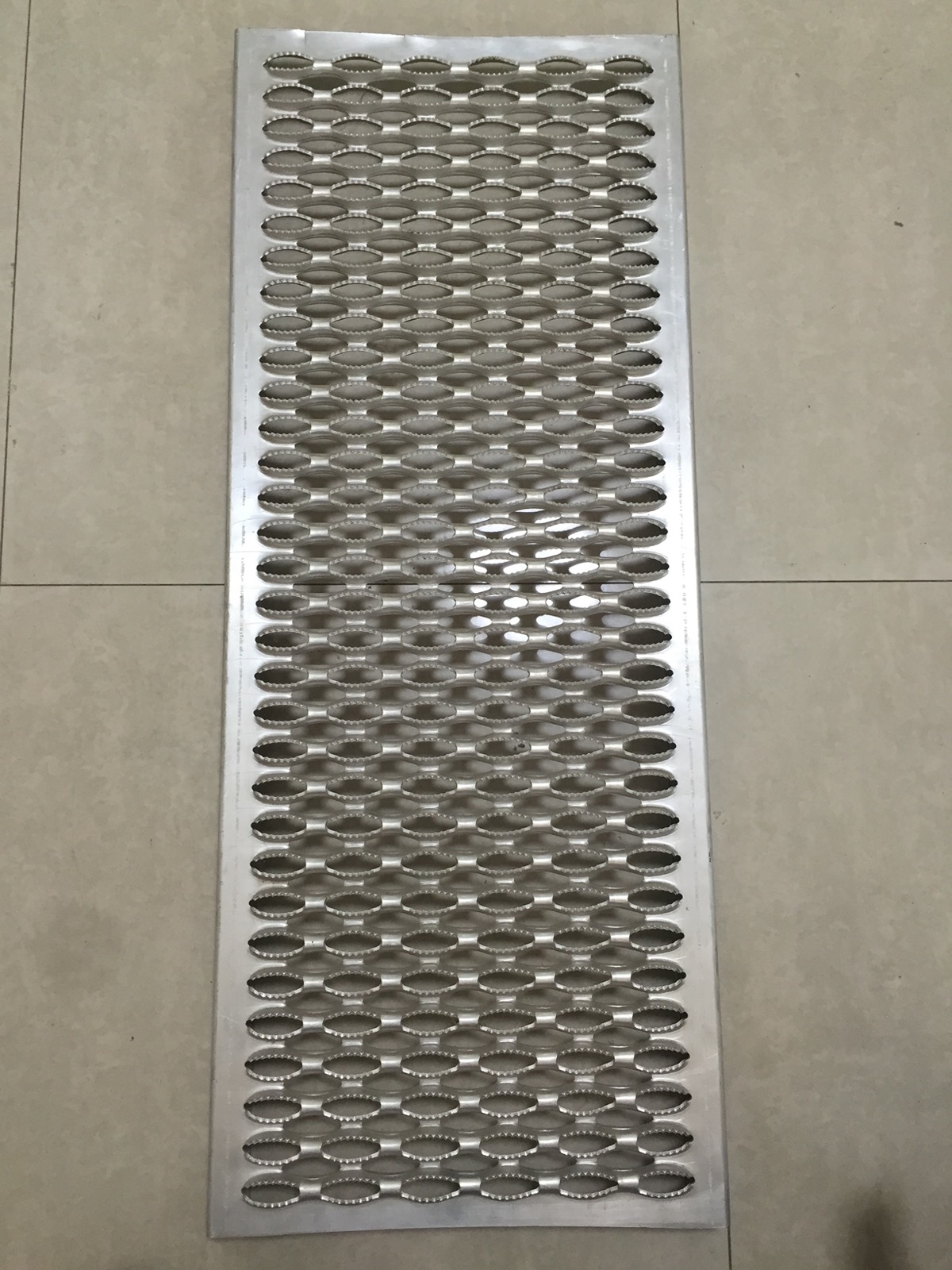
Sheet metal enclosures and panels

Sheet metal enclosures and panels

Laser-cut steel and aluminum panels for enclosures, covers, and mounting plates held to dimensional tolerances and finished to spec.

Structural brackets and frames

Structural brackets and frames

Flat-profile brackets, tabs, and structural frames cut from mild or stainless steel and ready for secondary bending or welding.

Automotive stampings and covers

Automotive stampings and covers

Repeatable laser-cut blanks and covers for automotive hardware, inspected to ISO 9001 for sustained production programs.

Industrial machine components

Industrial machine components

Guards, gussets, spacers, and custom flat hardware cut from heavy-gauge steel or aluminum for industrial equipment builds.

From quote to production

A five-step process, documented at every handoff

From initial drawings to final delivery, Redstone keeps each stage clear, documented, and aligned with production requirements.

Each handoff is documented. No stage moves forward until drawings, materials, and production requirements are confirmed with the customer.

  1. 01

    Submit Your Drawings

    Upload your 2D DXF, DWG, or technical drawing. Our engineering team reviews every submission for cut feasibility, recommends fiber or CO2 based on your material, and flags any geometry concerns before quoting.

  2. 02

    Receive a Quotation

    A detailed quote covering material grade, laser type, cut quantity, finishing options, lead time, and landed cost with freight and duties included. One U.S. point of contact, start to finish.

  3. 03

    Nesting and Cut Programming

    Our team nests your parts for optimal material yield and programs the cutting path. First-article cuts are reviewed before any full production release.

  4. 04

    Production Cutting

    Sheets are laser cut under controlled parameters with in-process checks on edge quality, dimensional accuracy, and burr condition across the run.

  5. 05

    Finishing, Inspection, and Delivery

    Parts are deburred, finished as specified, and dimensionally inspected. We are the importer of record and coordinate freight to your dock with a Certificate of Conformance.

Industries

Industries we cut for

Redstone supports production laser cutting programs for OEMs and engineering-led teams that require repeatable quality, controlled costs, and reliable part production.

  • Automotive

    Automotive

    Production components for automotive Tier 1 and Tier 2 suppliers and specialty OEM programs, run to IATF 16949 in certified facilities with U.S. engineering oversight from quote through delivery.

    • You run automotive components at production volume, not one-off prototypes.
    • Your program needs IATF 16949 quality and audit-ready documentation.
    • You are a Tier 1 or Tier 2 supplier, or a smaller OEM program that wants production-grade quality without a large-OEM minimum-order gate.
  • Electronics

    Electronics

    Production laser cutting components for electronics programs, run to documented quality with U.S. engineering oversight.

    • Recurring production volume
    • Documented dimensional inspection
    • One U.S. point of contact
  • Industrial Equipment

    Industrial Equipment

    Cast, machined, and fabricated components for industrial equipment programs, run to ISO 9001 with U.S. engineering oversight from quote through delivery.

    • You run cast, machined, or fabricated components at production volume, not one-off prototypes.
    • Your equipment operates in demanding service environments.
    • You want to consolidate multiple processes with one supplier and one U.S. point of contact.
  • Construction

    Construction

    Production laser cutting components for construction programs, run to documented quality with U.S. engineering oversight.

    • Recurring production volume
    • Documented dimensional inspection
    • One U.S. point of contact
  • Renewable Energy

    Renewable Energy

    Production laser cutting components for renewable energy programs, run to documented quality with U.S. engineering oversight.

    • Recurring production volume
    • Documented dimensional inspection
    • One U.S. point of contact
  • Consumer Products

    Consumer Products

    Production laser cutting components for consumer products programs, run to documented quality with U.S. engineering oversight.

    • Recurring production volume
    • Documented dimensional inspection
    • One U.S. point of contact

Not sure if laser cutting fits your part?

Final step

Ready to review your part?

Share your drawings, CAD files, or production requirements. Redstone will review feasibility, materials, tolerances, lead time, and the best manufacturing path for your program.

  • ISO 9001 and IATF 16949 certified facilities
  • U.S.-based engineering support
  • Quote reviewed within 24 hours
  • Production support across Redstone’s facilities in the U.S., Mexico, and China
Resources

From the engineering desk

Visit the Resource Hub

Frequently asked questions

Don’t see your question? Request a quote and our engineering team will answer it.

What is the difference between fiber laser and CO2 laser cutting?

Fiber lasers use a solid-state beam that cuts reflective metals such as aluminum, copper, and brass more efficiently and at higher speed than CO2. CO2 lasers use a gas beam that handles a broader range of thicker materials and non-metals well. Our engineering team recommends the right process for your material at the feasibility review.

What materials can you laser cut?

We cut mild steel, stainless steel, aluminum, copper, brass, and galvanized steel. Material grade and thickness range are confirmed at the feasibility review.

What tolerances can laser cutting hold?

Laser cutting holds tight tolerances on flat profiles. Achievable tolerance depends on material type, sheet thickness, and feature geometry. Our team reviews your drawing and confirms the tolerance before quoting.

Is there hard tooling required for laser cutting?

No. Laser cutting is a tool-free process. Cost is driven by material, sheet thickness, cut complexity, and order quantity rather than tooling investment. This makes it suitable across a range of volumes, from smaller batches to high-volume recurring runs.

What secondary operations are available?

After cutting we can arrange deburring, bending, welding, tapping, powder coating, and painting. Parts can be delivered as cut blanks or as finished sub-assemblies depending on your program requirements.

What are your standard lead times?

Standard production lead time is 4 to 8 weeks, with first-article and full production timing confirmed at the quote stage. Rush programs can be reviewed case by case.

What is laser cutting and why use it?

Laser cutting uses a focused beam to cut flat-profile parts directly from sheet or plate. Because there is no hard tooling, it moves from prototype to production on the same setup, holds a clean low-dross edge, and suits both one-off parts and recurring runs. It is well matched to brackets, panels, enclosures, and any flat geometry developed from a CAD file.

What file formats do you accept for laser cutting?

Send a 2D DXF or DWG for the cut profile. We also accept STEP, IGES, and SLDPRT 3D models, from which our engineering team develops the flat pattern and reviews kerf, hole geometry, and minimum feature size against the sheet thickness before quoting.

What is the difference between laser cutting and plasma cutting?

Laser cutting holds tighter dimensional accuracy and a cleaner edge on thinner and mid-gauge material, with minimal heat-affected zone. Plasma cutting is faster on heavy plate but leaves a wider kerf and rougher edge. Our team recommends the right process for your material and thickness at the feasibility review.

What drives the cost of laser cutting?

Because there is no hard tooling, cost is driven by material type, sheet thickness, cut complexity, and order quantity. Thinner gauges cut faster and cost less per part, while thicker plate and reflective metals such as copper and brass add cycle time. Pricing generally becomes more competitive as volume increases, and we quote on landed cost with freight and duties included.

When should I choose laser cutting over stamping?

The decision comes down to quantity and design stability. Laser cutting requires no tooling, so it fits lower volumes, prototypes, or designs still being iterated. Stamping has a tooling cost but a much lower part cost at volume, especially with progressive-die options. If your design is stable and volumes justify the tooling investment, stamping is typically more economical per piece. Redstone provides both and can recommend the best fit during your discovery call.

How does Redstone inspect laser cut parts?

Redstone uses a critical-to-quality approach, starting from the end use to identify the dimensions that drive assembly fit and function. Every callout on the print is ballooned into an inspection template, and a second pass adds requirements from experience and customer conversations, including surface finish, material verification, and known failure modes from similar parts. Critical dimensions get extra rigor and are reviewed with the production team before production.

What happens if parts do not meet spec?

Redstone guarantees every part and will repair, replace, or refund. When an issue is found, we sort the full affected lot, contain nonconforming parts, and complete a root-cause analysis before corrective action. If parts have reached you, options include local rework, air-freighted replacements, or a credit. Every issue triggers an 8D report and corrective actions are audited to confirm they hold.