Key Takeaways
- CNC (Computer Numerical Control) machining near the Mexico border offers short transit times and potential duty advantages for US and Canadian buyers. Success depends on choosing the right corridor, confirming certifications, and planning logistics.
- The four main border corridors each support different manufacturing strengths. Your crossing choice affects trucking costs, customs broker options, and lead times over the life of a program.
- ISO 9001 certifies a shop’s quality management system, AS9100 adds aerospace-specific controls, and ISO 13485 covers medical devices. Buyers still need to verify current certificates, registrars, and real-world quality processes for their specific parts.
- Section 232 duties on steel and aluminum follow where the metal was produced. USMCA (United States-Mexico-Canada Agreement) benefits depend on rules of origin and content thresholds tied to the HTS (Harmonized Tariff Schedule) code.
- Redstone Manufacturing offers a single landed price with US accountability. The team handles customs, freight, and quality inspection across multiple countries, including Mexico, so buyers avoid becoming importers of record.
See how a single landed price works for your part
Quick Overview and Decision Framework
This guide covers the four border corridors, the certification landscape, cross-border logistics and customs, the hidden costs of managing a Mexican shop directly, and how a US-accountable partner changes that equation. It closes with common mistakes and a focused FAQ.
Start with the part itself: how complex it is and what volume you need. From there, the decision hinges on certifications, logistics and customs burden, and landed cost rather than part price alone. Quality control and lead time shape your schedule. The final question is who is accountable when something goes wrong, whether you choose a Mexican shop directly, a US manufacturer, or a partner that handles the border for you.
Choosing the Right Border Corridor for CNC Machining
The four main corridors used for CNC machining and precision manufacturing trade between the US and Mexico are:
- Tijuana / San Diego (Otay Mesa crossing): California’s busiest commercial truck crossing, processing roughly 1 million trucks per year. Tijuana has a mature aerospace and medical device machining base, strong customs broker infrastructure, and sits minutes from the Otay Mesa port. All commercial truck traffic in this corridor uses Otay Mesa, because trucks are prohibited from the San Ysidro passenger crossing.
- Mexicali / Calexico (Calexico East crossing): The sole road cargo port for the Mexicali corridor, handling approximately 447,000 US-bound commercial trucks in 2025. Mexicali is known for precision machining and electronics manufacturing, with lower labor rates than Tijuana and good capacity for higher-volume production runs.
- Juarez / El Paso (Ysleta and Bridge of the Americas crossings): El Paso’s Ysleta crossing holds a leading position in the Bureau of Transportation Statistics freight-value ranking, making it one of the top-tier North American crossings. Juarez is the primary corridor for high-volume automotive and industrial machining, with deep supplier infrastructure built around decades of maquiladora production.
- Nogales / Arizona (Mariposa and DeConcini crossings): Mariposa is the primary Arizona-Sonora commercial crossing, open 6 a.m. to 10 p.m. and handling commercial vehicles. Nogales serves aerospace and medical machining with shorter truck lanes for buyers located in Arizona.
The right crossing depends on part type, volume, certifications needed, and where your facility sits. A buyer in Southern California will generally find Tijuana or Mexicali more practical. A buyer in Texas will usually favor Juarez. A buyer in Arizona will often choose Nogales. Crossing selection also shapes trucking cost, customs broker availability, and lead time, so CNC machining Mexico border decisions rarely hinge on geography alone.

The table below compares the four corridors on primary crossing and manufacturing focus. Truck volume figures come from Bureau of Transportation Statistics port-level data.
| Corridor | Primary Commercial Crossing | Known For in CNC Machining | Approximate Annual Commercial Truck Volume |
|---|---|---|---|
| Tijuana / San Diego | Otay Mesa | Aerospace, medical device machining | ~1.06 million trucks (2024) |
| Mexicali / Calexico | Calexico East | Precision machining, electronics manufacturing | ~447,000 trucks (2025) |
| Juarez / El Paso | Ysleta, Bridge of the Americas | High-volume automotive, industrial machining | Ysleta holds a leading position in the BTS freight-value ranking |
| Nogales / Arizona | Mariposa, DeConcini | Aerospace, medical machining | Lower absolute volume; shorter truck lanes for Arizona buyers |
Certification Checklist for Mexico CNC Shops
Certifications often cause confusion, so a clear definition of each standard helps you ask better questions.
ISO 9001 is a quality management system (QMS) standard. It certifies that a manufacturing facility has documented, audited processes for planning, executing, inspecting, and correcting its work. It does not certify the parts themselves. The correct phrasing when a shop claims this is: “Parts manufactured at ISO 9001 certified facilities.” ISO 9001 certificates are valid for three years, with annual surveillance audits and a full QMS re-audit at the end of each cycle. ISO 9001 alone is appropriate for many commercial and industrial machined components.
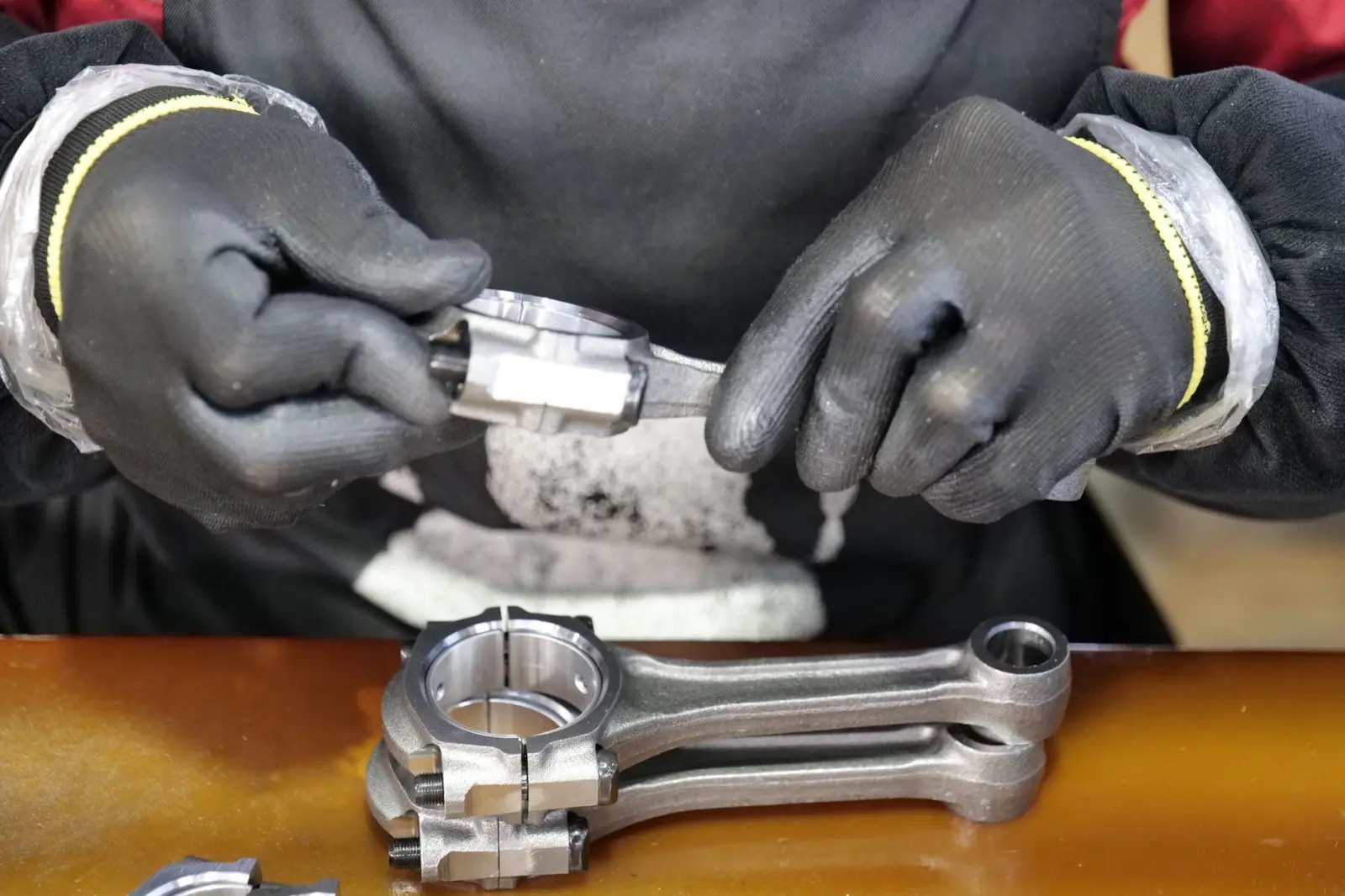
AS9100 is the aerospace quality management standard. It builds on ISO 9001 with additional requirements covering risk management, configuration control, first article inspection (FAI), traceability, counterfeit-part prevention, and product safety. AS9100 reaches small machine shops through customer requirements and flowed-down controls. Aerospace and defense parts usually justify asking for AS9100. Redstone Manufacturing’s Seattle facility is working toward AS9100.
ISO 13485 is the medical device QMS standard. It extends ISO 9001 with requirements aligned to FDA (Food and Drug Administration) and EU MDR (European Union Medical Device Regulation) rules, including more rigorous design controls, formal risk management, and specific documentation for post-market surveillance. Medical device components, implants, and surgical instruments typically call for ISO 13485. Redstone Manufacturing’s Seattle facility is pursuing this certification for medical implant work.
When evaluating any Mexico CNC shop, ask these questions directly:
- Which certifications do you hold, and can I see the current certificate?
- Who is your accredited registrar, and when was your most recent surveillance audit?
- Do you have a quality manual and inspection records for parts similar to mine?
- How do you handle first-article inspection and material traceability?
- What happens when a nonconformance is found?
Mill and material certificates belong to mills and raw material suppliers. They are material traceability documents, not certifications the machine shop holds. A shop that presents them as its own certifications is misrepresenting what they are.
Send us your drawing and certification requirements
How Cross-Border Logistics and Duties Work for CNC Parts
Note: Tariff rates and trade mechanics in this section reflect conditions as of 2026-09-21. Rates change frequently. Verify current rates with a licensed customs broker before making sourcing decisions.
The basic flow is simple. Parts are machined in Mexico, trucked across the border at a designated commercial crossing, cleared through US Customs and Border Protection (CBP), and delivered to the buyer’s dock. The complexity comes from deciding who handles each step and who pays which charges.
In a direct arrangement, the buyer or their customs broker files the entry with CBP. The buyer becomes the importer of record, which means legal responsibility for classifying the goods, filing the paperwork, and paying duties and tariffs.
The steel and aluminum origin rule causes the most expensive mistakes. For steel and aluminum, duty follows where the metal was produced. The machining location does not change that. A steel part machined in Mexico from steel not produced in the United States can still carry a Section 232 duty. This structure also enables a legitimate approach: buy US-origin material, ship it to Mexico for machining, and bring the finished part back. The duty treatment follows the metal’s origin.
Section 232 and Section 301 are two separate tariff regimes. Both stack on top of each other and on top of the ordinary duty rate for a part’s Harmonized Tariff Schedule (HTS) code. Section 301 targets specific countries and applies based on where the part was made, which is why China duties are widely known. Section 232 tariffs are national-security tariffs aimed at materials, primarily steel and aluminum, and apply based on the material itself.
The calculation basis also matters. The April 2, 2026 presidential proclamation eliminated the previous system in which Section 232 tariffs on derivative products were calculated by splitting the customs value between metal and non-metal content; tariffs now apply to the full customs value of the imported product. Some buyers discovered this change mid-program because their landed cost models still used the old calculation basis.
USMCA (United States-Mexico-Canada Agreement) preferential treatment requires qualification. USMCA qualification uses tariff shift rules, regional value content thresholds, or product-specific rules, with the applicable method determined by the product’s HTS classification. A product assembled in Mexico from mostly Chinese components may fail to qualify. On July 1, 2026, the United States declined to renew USMCA in its current form at the first joint review, triggering annual reviews through 2036, so origin certification now carries more compliance risk.
Commercial truck wait times vary by crossing and time of day. At Otay Mesa, commercial truck wait times typically run 15 to 30 minutes early in the morning but climb to 90 minutes or more between 3 p.m. and 6 p.m. FAST (Free and Secure Trade) program enrollment consistently reduces wait times at crossings that offer dedicated FAST lanes. Crossing selection affects trucking cost, broker availability, and lead time in ways that compound over a program’s life. For buyers in Southern California and the Southwest, that decision usually comes down to Tijuana or Mexicali.
Tijuana vs. Mexicali for CNC Machining
Buyers in Southern California and the broader Southwest most often compare these two corridors, so a side-by-side view helps.
Tijuana / San Diego (Otay Mesa): Tijuana has a mature aerospace and medical device machining base built over decades of maquiladora production. The Otay Mesa crossing has a well-developed customs broker infrastructure, and the northbound commercial inspection area has been recently expanded under a federal modernization program. Labor rates in Tijuana are higher than in other Mexican corridors. The corridor sits close to San Diego’s engineering talent pool, which helps shops doing complex work. A buyer in Los Angeles or San Diego will generally find Tijuana the most practical corridor for aerospace and medical parts.
Mexicali / Calexico (Calexico East): Mexicali has a strong precision machining and electronics manufacturing base. Calexico East is the sole road cargo crossing for this corridor, operating from 6 a.m. to 10 p.m. daily. Labor rates are lower than Tijuana, which matters for higher-volume production runs where labor cost per part drives pricing. The aerospace and medical device infrastructure is less developed than Tijuana’s, though capable shops exist. A buyer in Phoenix or the broader Southwest may find Mexicali more practical than Tijuana.
The choice between the two depends on part type, volume, certifications required, and your own location. Both corridors have shops capable of complex CNC machining. Always verify certifications and inspection capabilities directly with any shop you evaluate.
The Hidden Costs of Managing a Mexican Shop Directly
The part price a Mexican shop quotes is one number. The landed cost is a different number, and the gap between them often surprises first-time importers.
When you manage a Mexican shop directly, you own the entire program. That means selecting the supplier, managing quality, reviewing designs for manufacturability (DFM), controlling drawings, inspecting before shipment, arranging freight and customs brokerage, classifying the part under the right HTS code, and absorbing tariff exposure.
The recourse problem hurts most. When something goes wrong with a shipment from a supplier across the border, practical recourse is limited unless you have a US contract with a US accountable party. Chasing a foreign supplier for a bad batch can become a full-time job with an uncertain outcome.
Quality drift is the second common failure mode. Parts are correct at the sample stage and degrade over successive production runs because nobody is watching. A shop that passed first-article inspection in month one may ship out-of-tolerance parts by month six, and you may not find out until your assembly line stops.
The workload is the third issue. Managing a Mexican shop directly means multiple contacts, time zones, language differences, and no single owner of the program. Many buyers do not have staff for that level of oversight. One engineer routing around a slow procurement process cannot support a long-term sourcing model.
Mexico can still be the right answer for your part. The direct model simply transfers a significant amount of work and risk to you, and that work carries a real cost even when it does not appear on an invoice. If you would rather not carry that load, an engineer can walk you through what a managed program looks like.
Have a part? Talk to an engineer.
How Redstone Manufacturing Differs: One Landed Price and a US Point of Contact
Redstone Manufacturing gets custom metal and plastic parts made for US and Canadian companies through its own facilities in China, India, Taiwan, Vietnam, and Mexico. The customer experience feels closer to working with a US manufacturer than to managing an overseas shop directly.
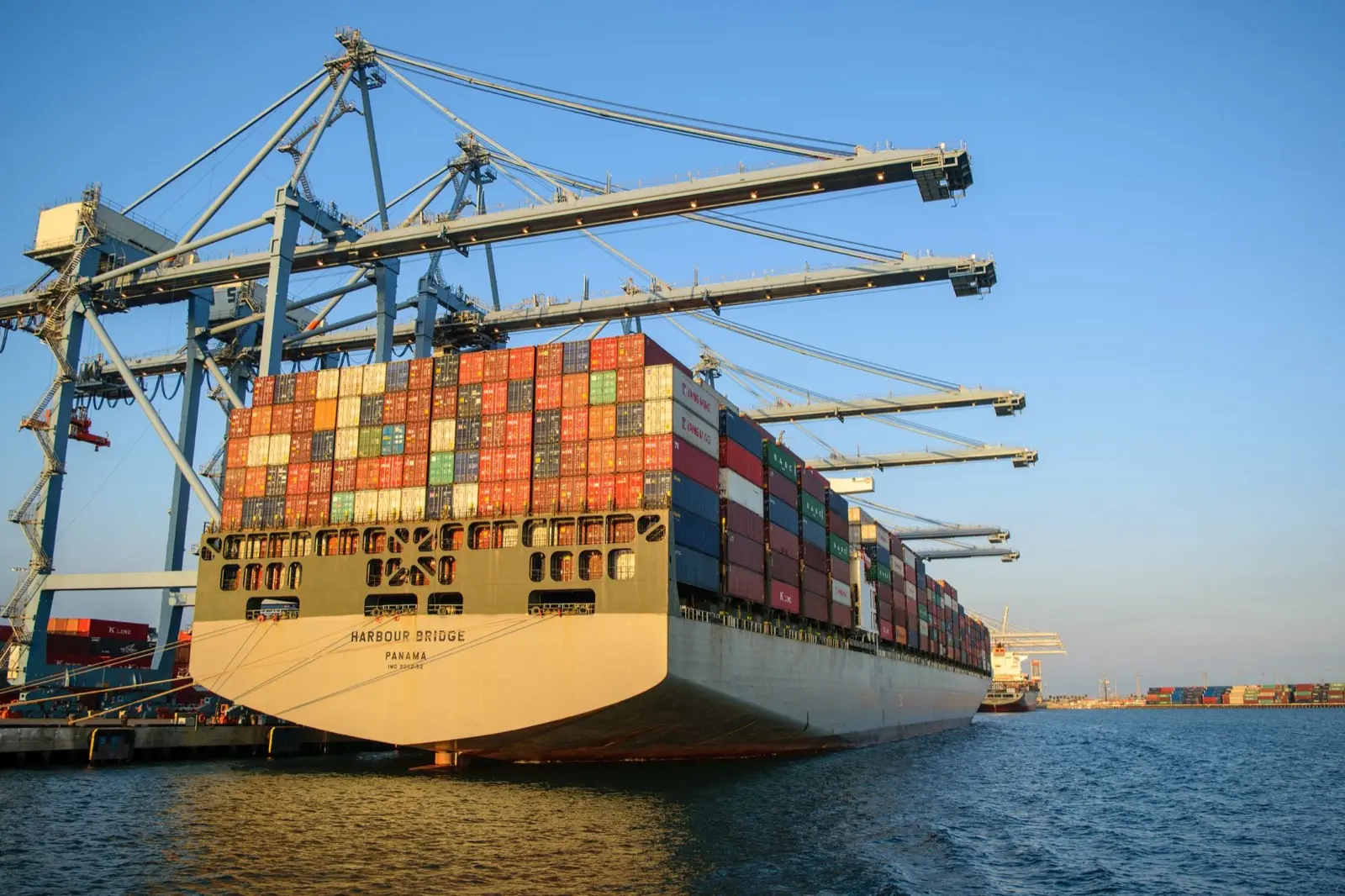
Redstone acts as importer of record on modified DDP (Delivered Duty Paid) terms. Under standard DDP, the seller moves goods all the way to the buyer’s door with duties paid. Redstone’s version is modified: freight is quoted separately, prepaid, and added to the invoice instead of being buried in the part price. Tariffs, duties, customs, and freight still roll into one landed unit price. The customer never files customs paperwork, never talks to a customs broker, and never handles a customs question. When a rate change occurs between quote and shipment, Redstone tracks it.
Repair, replacement, or refund responsibility sits with a US company under a US contract. The buyer never has to chase a supplier overseas. Redstone staff inspect parts in person, on the ground, before every shipment. No shipment leaves without that inspection. Full-time engineering staff sit on the ground in the China facility.
Nothing is owed until samples are approved and in-spec production parts ship. Payment terms are Net 30 or Net 60 from ship date. The minimum order for overseas production is $50,000.
Country flexibility is a practical advantage in the current trade environment. Redstone can move a program between China, India, Taiwan, Vietnam, and Mexico if tariffs or conditions change, without the customer having to find and qualify a new supplier. That continuity matters when the trade environment shifts mid-program.
One capability worth noting: a casting can be produced at an overseas facility, shipped to Redstone’s Seattle facility, and machined there. Many CNC shops avoid castings and tell the customer to source them independently. Redstone handles both casting and machining, with one company accountable for the entire chain.
Parts are manufactured at ISO 9001 certified facilities, and Redstone’s Seattle facility is working toward AS9100 and pursuing ISO 13485 for medical implant work. Even with a partner handling the border, first-time buyers still tend to run into a familiar set of assumptions.
Common Mistakes and Misunderstandings
These are the errors that come up most often when buyers evaluate CNC machining services near the Mexico border for the first time.
Mistake 1: Assuming Mexico is always cheaper. Proximity to the US saves less than most buyers expect, because ocean freight is remarkably cheap relative to trucking. Labor rates in Mexico are lower than in the US, but efficiency differs by shop and process, so labor cost per part may not fall as much as the rate difference suggests. Material availability and subsidies add another layer that a part price alone will not show.
Mistake 2: Assuming USMCA automatically applies. USMCA treatment depends on North American content thresholds and tariff shift rules tied to the HTS code, not on where final assembly happens. A product assembled in Mexico from mostly Chinese components may still miss the qualification rules.
Mistake 3: Assuming duty follows where the part was made. For steel and aluminum, the key origin criterion for Section 232 purposes is whether the steel was melted and poured in the United States, or the aluminum was smelted and cast in the United States. What matters is where the metal was produced, not where the part was machined.
Mistake 4: Assuming the shop’s ISO 9001 certificate covers the part. ISO 9001 certifies the quality management system behind the parts, not the parts themselves. A shop can hold ISO 9001 and still ship a bad part. The certificate tells you the system exists, and your inspection process confirms whether the part meets your requirements.
Mistake 5: Assuming the buyer can manage the border without becoming an importer. Managing a Mexican shop directly means the buyer becomes importer of record, responsible for classifying goods under the correct HTS code, filing customs paperwork, and paying duties and tariffs. That role carries legal and financial responsibility, not just administrative work.
Mistake 6: Assuming a lower part price is the same as a lower landed cost. The part price is one number. Freight, customs brokerage, tariffs, pre-shipment inspection, quality management, and the cost of a bad batch are additional numbers. The landed cost is what you actually pay to get a correct part to your dock.
Frequently Asked Questions (FAQ)
How Long Does First Article Approval Usually Take?
First article approval timing depends on part complexity and inspection requirements. Simple parts with basic dimensional checks may move from award to approved first article in a few weeks. Complex aerospace or medical parts that require full FAI reports and material traceability can take several weeks longer. Build time, inspection time, and any rework cycles all factor into the schedule.
What Documentation Should I Send a Mexican CNC Shop?
Shops quote and run parts more reliably when they receive a complete package. At minimum, send a fully dimensioned drawing, 3D model if available, material specification, finish requirements, and any critical-to-quality (CTQ) features. Include expected annual volume, lot sizes, and required certifications. Clear documentation reduces quote variance and shortens the path to a stable process.
Who Should Be the Importer of Record for My Parts?
The importer of record is the party legally responsible for customs declarations and duty payment. Some buyers choose to hold that role and work directly with a customs broker. Others prefer a partner that acts as importer of record and folds duties and fees into a landed price. The right choice depends on your internal trade-compliance resources and risk tolerance.
How Do Border Wait Times Affect My Lead Time?
Border wait times add variability to transit, especially at peak hours. A corridor with heavy afternoon congestion can add hours to each shipment and days over a month of deliveries. Programs that need tight delivery windows often plan pickups around low-traffic periods or work with carriers enrolled in FAST lanes to reduce delays.
Can Redstone Move My Program If Tariffs Change?
Yes. Redstone can move a program between its facilities in China, India, Taiwan, Vietnam, and Mexico if tariffs or conditions change, without the customer having to find and qualify a new supplier. That flexibility helps keep programs running when trade rules shift mid-stream.
What Is the Minimum Order for Redstone’s Overseas Production?
The minimum order for overseas production is $50,000.
What Are Redstone’s Payment Terms?
Payment terms are Net 30 or Net 60 from ship date. Nothing is owed until samples are approved and in-spec production parts ship.
Get a quote for your next program