Key Takeaways
- High volume machining services make custom metal parts in the thousands per year on dedicated, often automated equipment. These long runs spread tooling and setup costs across many parts, which lowers the unit price.
- High volume machining uses dedicated fixtures, tuned toolpaths, and tight process controls instead of standard shop setups. This approach keeps every batch consistent and stable over time.
- Fixed costs such as setup, programming, and first-article inspection (FAI), which is the formal check that first parts match the drawing, are charged once per job. As volume rises, those fixed costs shrink sharply on a per-part basis and drive most of the cost advantage.
- Quality fade, the gradual decline in quality over repeat orders, is a major risk in overseas production. Redstone prevents it with embedded, in-person inspections at the factory before every shipment instead of relying only on final checks.
- Redstone Manufacturing manages the full high volume machining program, from request for quote (RFQ) through delivery, at one landed price under a United States (US) contract. This structure covers production, logistics, and tariff exposure in a single accountable relationship.
Start your high volume project with Redstone
How High Volume Machining Differs From Low Volume And Prototype Work
Prototype and low-volume work is quoted against whatever setup already exists on a shop floor. A shop loads a program, clamps the part in a standard vise, and runs it. That approach works for ten pieces. It breaks down at ten thousand.
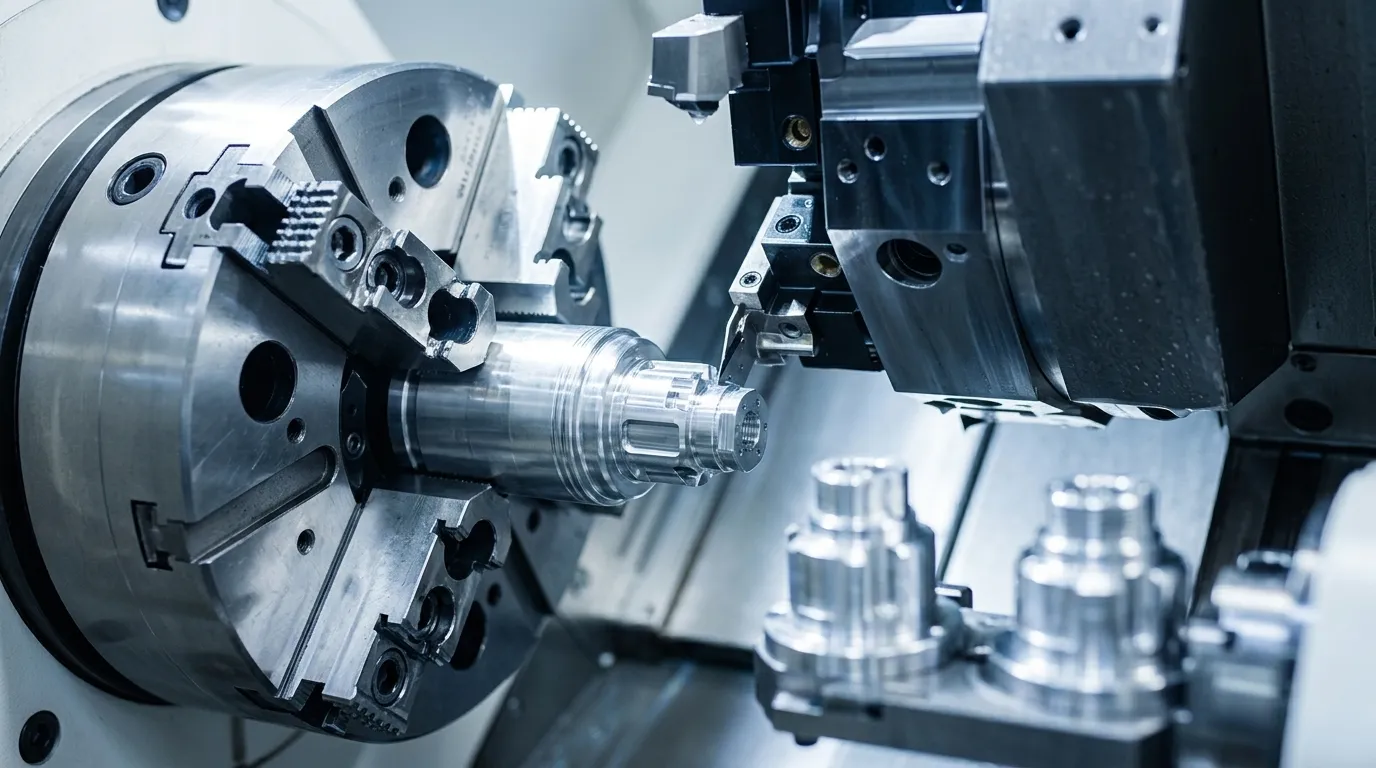
High volume Computer Numerical Control (CNC) machining justifies engineering a dedicated cell around one part. The team designs custom fixturing, programs optimized toolpaths, and builds process controls to hold the same geometry across every batch. The priority shifts from flexibility to repeatable consistency, and the economics only work when volume is high enough to pay back that investment.
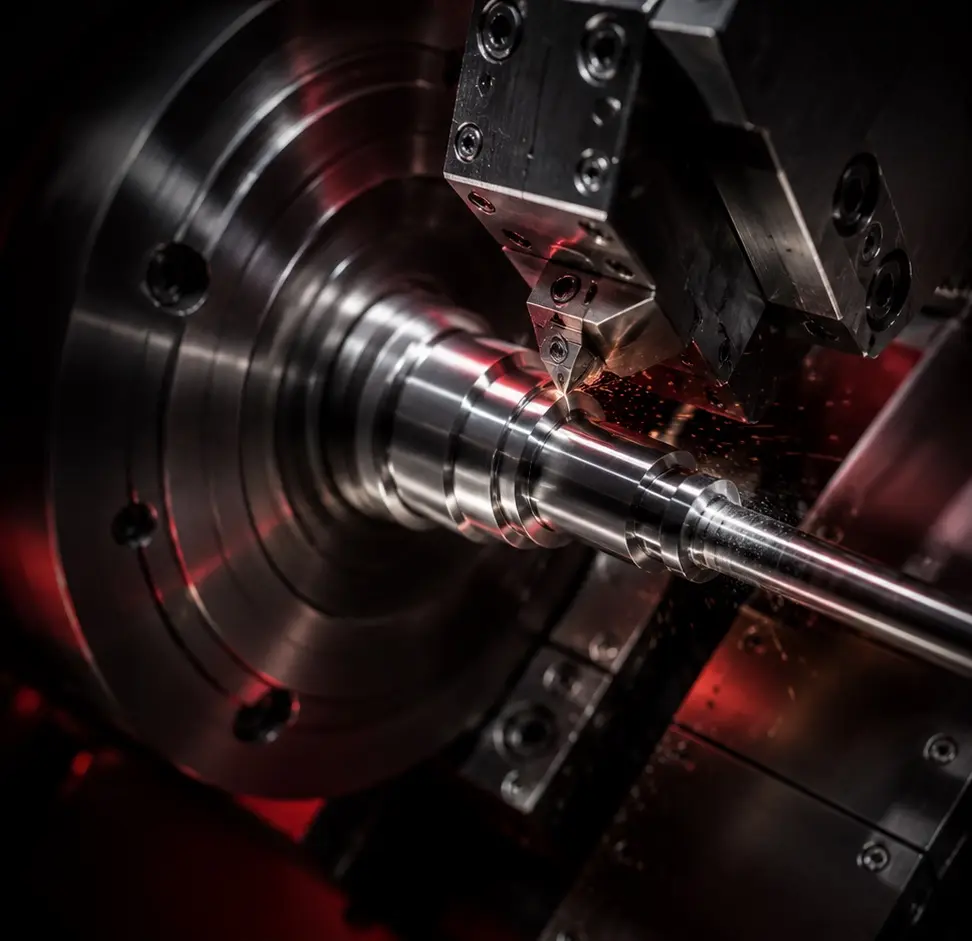
The difference between high volume and low volume CNC machining goes beyond the number on the purchase order. As volume increases, the manufacturing process itself changes. Dedicated fixtures replace universal vises, operations consolidate, and inspection procedures become more efficient. A part that costs one amount as a prototype can cost a fraction of that at production volume because programming, setup, and FAI are fixed costs that spread across the run.
At Redstone Manufacturing USA, the fit threshold is roughly 5,000 pieces per year of a genuinely complex 5-axis part. Small batches and simple parts do not match that facility’s model. That clear boundary keeps the focus on work where the approach delivers the most value.
The Economics Of High Volume Machining
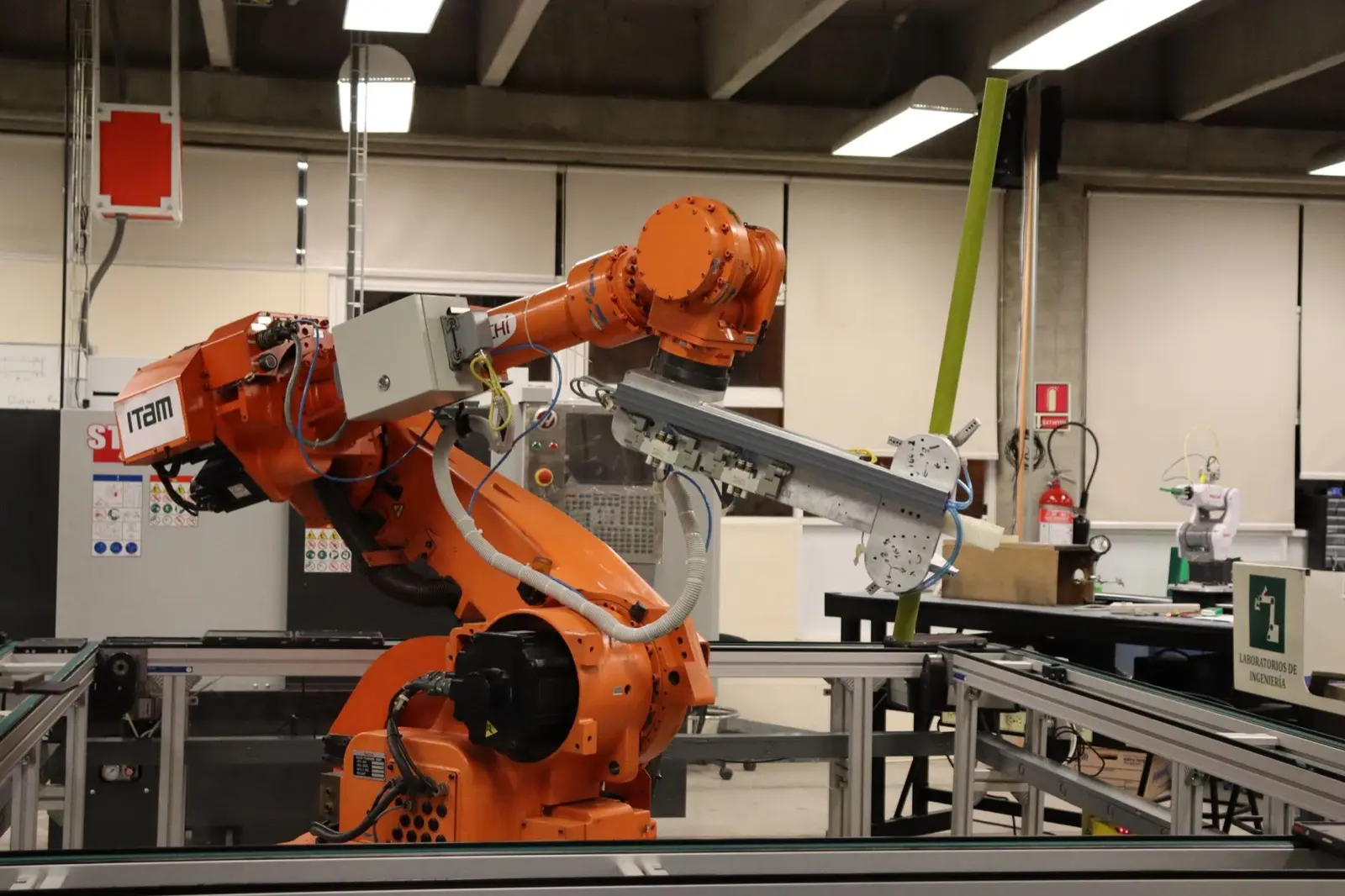
High volume machining cost depends most on how fixed costs spread across the run. Setup, programming, fixturing, and first-article inspection are all charged once per job. A setup cost divided by ten parts looks very different from the same cost divided by a thousand parts. Cycle time per part stays roughly constant as volume grows, while the fixed-cost share per part shrinks.
Tooling costs follow the same logic. A mold, die, or fixture is a one-time investment that gets divided across every part it produces. Committed volume is the main lever on tooling cost per part because that share falls sharply as volume rises. At low volume, tooling can represent a large fraction of total part cost. At high volume, it becomes a small line item.
This is why tooling often decides whether a product gets made at all. In one documented case, a customer held a six-figure tooling quote from a US supplier. The same tool through Redstone came in at a fraction of that cost, which changed the project from impossible to viable.
Reducing cycle time by just 20 seconds per part may appear minor during prototype production. Over an annual volume of 20,000 parts, that improvement represents more than 110 hours of machine time. That math supports investment in optimized toolpaths and dedicated fixturing once volume is high enough.
At production volumes of 100 or more parts, cycle time dominates cost, costs stabilize, and inspection burdens fall. The first article costs more. Every subsequent article costs less. That pattern defines the economics of high volume machining.
See how your volume changes the unit price
What Are The Main Types Of High Volume Machining
The right process depends on part geometry, material, and annual volume. Redstone selects the production route instead of forcing every job through one process. The three main technologies below cover most high volume work, and each has a volume and geometry range where it performs best.
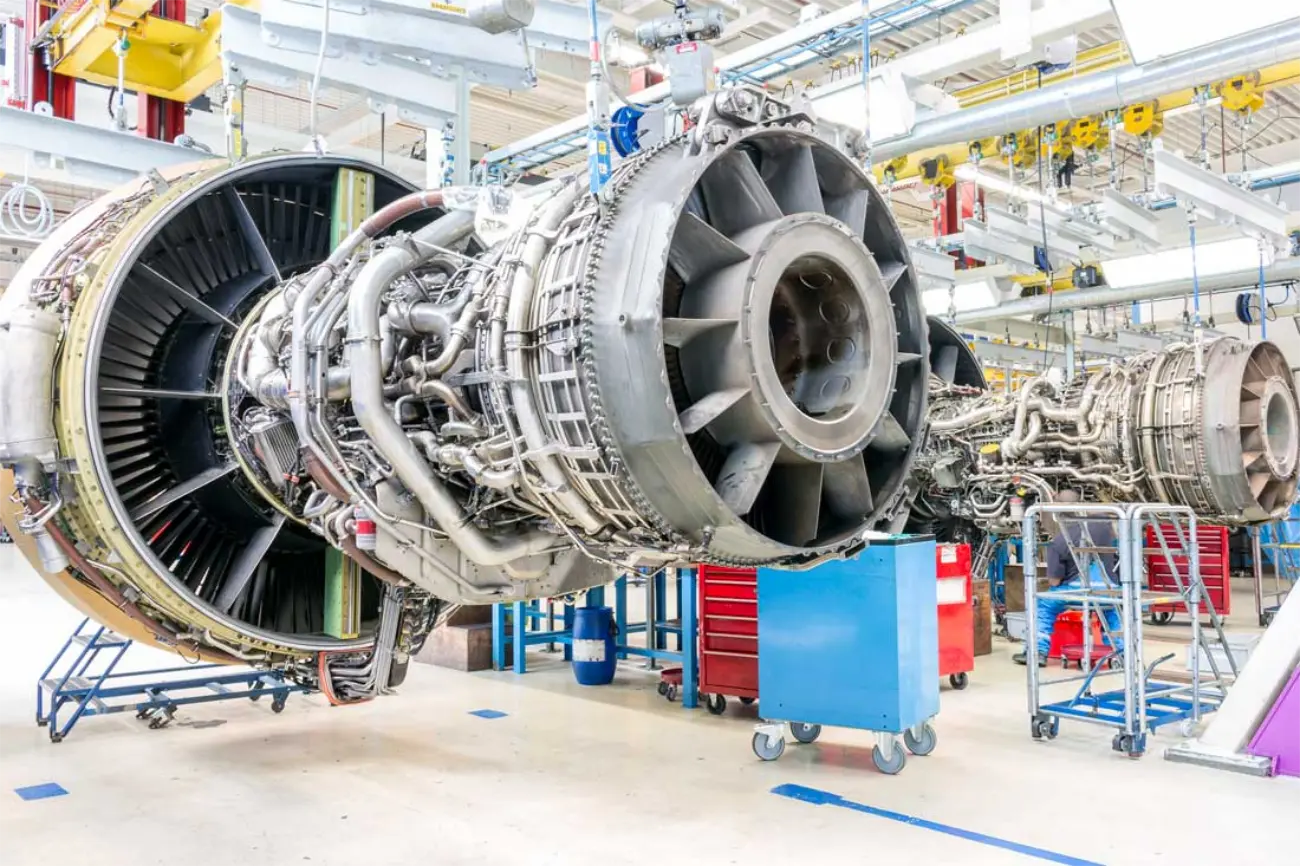
- Multi-axis CNC Milling, Including 5-Axis: The cutting tool reaches the part from five directions in a single setup. Simultaneous 5-axis machining moves all five axes continuously at once, handles highly complex geometries with high precision, and removes repeated repositioning that introduces misalignment errors. Common applications include aerospace brackets, medical implants, and complex housings.
- Swiss-Type Turning: A sliding headstock continuously supports the workpiece, which enables high precision on small, intricate parts. Swiss-type machines work best for small cylindrical parts with off-center or multi-feature geometry, including medical components and connectors.
- Automatic Screw And Multi-Spindle Machines: These machines process bar stock rapidly across multiple spindles at the same time. They are the standard for mass production of small turned parts at high output rates. CNC turning and multi-spindle automatic screw machining are core technologies for high-volume precision turned parts in automotive, electronics, and industrial equipment.
Each process has a sweet spot for both volume and geometry. A part that appears suited to Swiss-type turning may run more economically on a multi-spindle machine at sufficient volume. The drawing and annual demand determine the right answer.
How To Tell Whether Your Part Is A High Volume Part
Knowing the process types is one thing; knowing which one fits your part is another. Without real machining experience, most people cannot tell whether a part requires 5-axis machining. Some parts can run on 3-axis or 4-axis machines but take longer and often cost more. Others look complex but are straightforward on the right equipment. Geometry, tolerances, and annual volume all shape the decision.
The practical step is to send the drawing. Redstone will review the part and explain whether high volume production and 5-axis machining create a cost advantage. If a part is not a fit for high volume machining, that will be stated clearly. If it is a fit, the review will identify the right process and the right production route.
Have Redstone review your drawing
Quality Fade And Origin Inspection
Quality fade is one of the most common and expensive failure modes in overseas production.
Quality fade is the gradual decline of product quality across repeat orders, involving lower-grade materials, weaker workmanship, reduced quality control, or other deviations from the original standard. Parts are correct at sample stage and degrade over later lots. The buyer often notices only after defect rates climb or customers complain.
Quality fade differs from standard manufacturing defects because ordinary defects are accidental errors. Quality fade is a deliberate, systematic downgrading of materials or processes over time to save money. It appears most often when nobody is watching. When a buyer pushes for a lower unit price without changing the specification, the supplier may protect margin through cheaper material, fewer quality control steps, or faster production.
Raw material batches change, machines wear, operators rotate between lines, and production speed often increases to meet deadlines. These shifts create mid-run quality drift that a final inspection alone cannot catch.
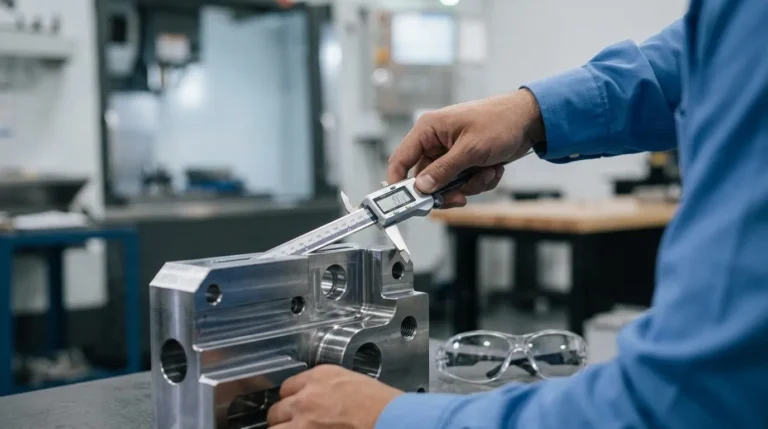
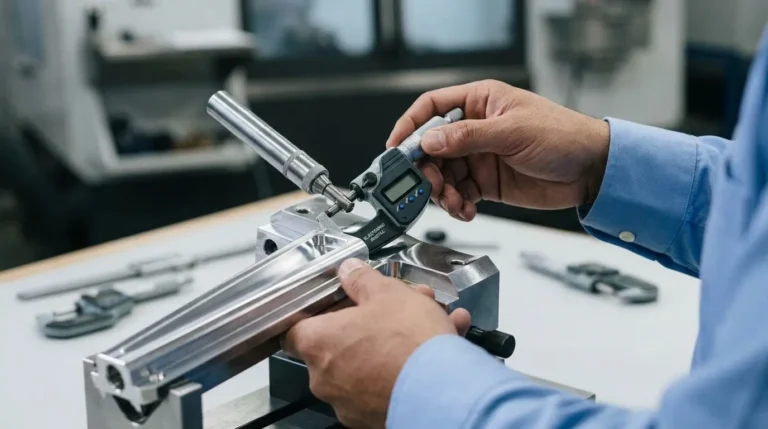
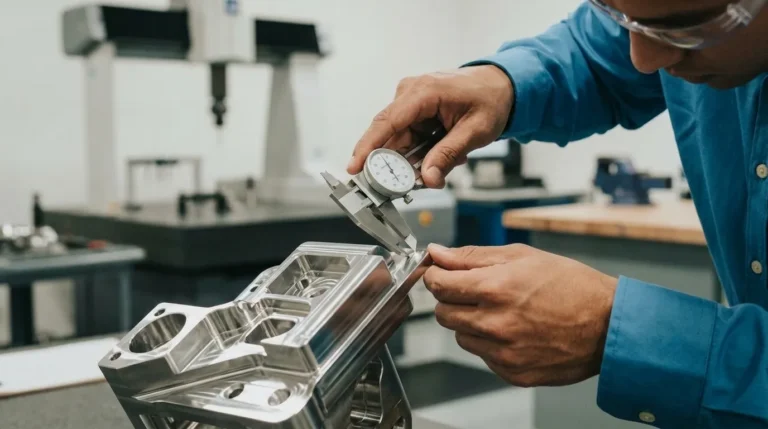
Redstone’s answer is embedded inspection instead of end-of-line inspection. Full-time engineering staff sit on the ground in our facility in China, and they inspect parts in person before every shipment. No shipment leaves without that check. To keep those inspections consistent, quality specifications are translated into inspection templates with every callout ballooned, meaning every dimension and requirement on the drawing is individually identified and checked. Those checks run as milestone inspections during production rather than only at the end.
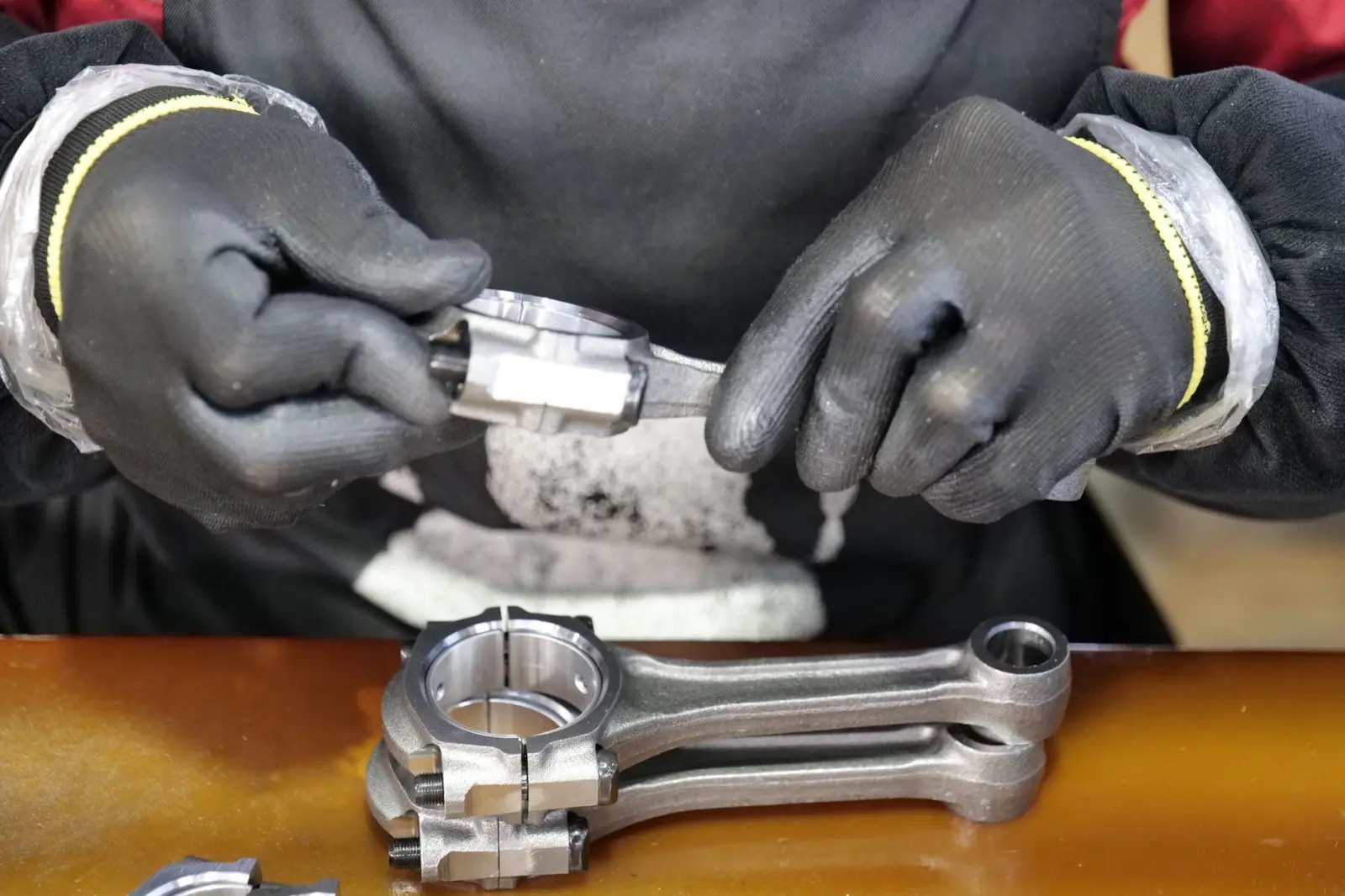
Mill test certificates, which are the mill’s documents certifying the chemical and mechanical properties of the supplied metal, are retained for supplied material. These documents provide material traceability rather than certifications Redstone issues. Restriction of Hazardous Substances (RoHS) and Registration, Evaluation, Authorisation and Restriction of Chemicals (REACH) declarations are issued on request. Parts are manufactured at facilities certified to the ISO 9001 quality management standard.
Landed Cost And Tariff Mechanics
Tariff information current as of 2026-09-18. Rates and rules change. This section should be reviewed on a regular cadence.
Origin inspection protects quality, but it does not address the other major cost risk in overseas production: tariffs. Most buyers who are new to importing get the tariff math wrong. The most consequential mistake is assuming that duty follows where the part was made. For steel and aluminum, duty follows where the metal was produced, not where the finished part was made. Under the Commerce Department’s final scope and circumvention determination for stainless steel sheet and strip (88 FR 19070, March 30, 2023), stainless steel of Chinese origin remains covered by the China antidumping and countervailing duty orders even after further processing in Vietnam. A stainless steel bracket machined in Vietnam from Chinese steel would therefore carry the Chinese steel duty burden, not the Vietnamese steel duty.
This rule also enables a legitimate structure: buy US-origin material, ship it out for casting or forming, and bring the finished part back. Under the June 2026 Section 232 regime, derivatives composed of at least 85% US-sourced steel, aluminum, and copper face a 10% tariff rate, compared to higher rates for non-US-origin metal.1 That threshold dropped from 95% in June 2026, which created new planning opportunities for buyers who can document their metal sourcing.
Section 232 and Section 301 are two different statutes with two different triggers, and they stack. Section 232 tariffs were originally imposed under the Trade Expansion Act of 1962, which authorizes the President to impose trade restrictions when imports of a good threaten to impair US national security. These tariffs primarily target steel and aluminum as materials. Section 301 tariffs target a country and apply because of where the part was made. A steel bracket machined in China can incur a Section 232 duty because it is steel and a Section 301 duty because it is Chinese, both sitting on top of the ordinary duty rate for its Harmonized Tariff Schedule (HTS) code.
In April 2026, the calculation basis shifted from metal content to the full value of the imported article. Buyers who modeled their landed cost on metal-content calculations saw their tariff bills change significantly. Redstone tracks these shifts so buyers do not have to.
United States-Mexico-Canada Agreement (USMCA) treatment depends on North American content thresholds, not on where final assembly happens. A mostly-Chinese product finished in Mexico does not automatically qualify for USMCA preferential treatment. The content rules govern the outcome.
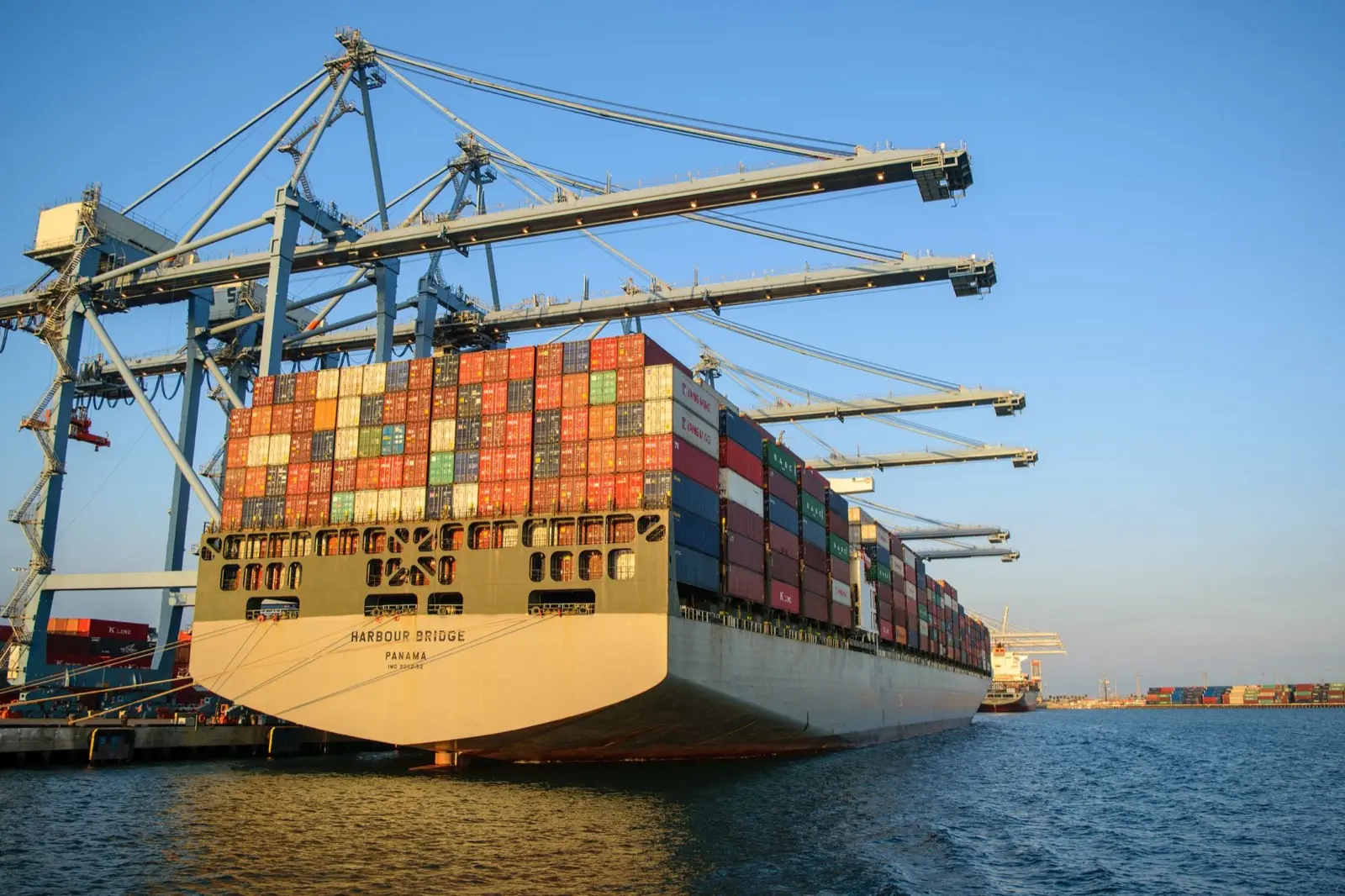
Redstone acts as importer of record on modified Delivered Duty Paid (DDP) terms. The importer of record is the party legally responsible for the customs entry, which includes classifying the goods, filing the paperwork, and paying duties and tariffs. That responsibility normally falls on the buyer. Redstone takes it instead. Tariffs, duties, customs, and freight roll into one landed unit price. The customer never files anything or speaks to a customs broker. When a rate changes between quote and shipment, Redstone is the party tracking it.
Have Redstone calculate your landed cost
How To Choose A High Volume Machining Supplier
Supplier choice shapes cost, accountability, and how much work the buyer must manage. There are three realistic options for a buyer who needs custom metal parts in volume. The table below shows what each option asks of the buyer and who is accountable when something goes wrong.
| Supplier Type | What The Buyer Manages | Who Is Accountable |
|---|---|---|
| US Manufacturer | Nothing beyond the purchase order. The supplier handles production, quality, and delivery domestically. | A US company under a US contract. Recourse is straightforward. |
| Direct Overseas Factory | Supplier selection, quality management, Design For Manufacturability (DFM) review, drawing control, pre-shipment inspection, freight, customs brokerage, HTS classification, and tariff exposure, usually with payment demanded in advance. | A distant supplier with no practical recourse when something goes wrong. |
| Instant-Quote Platform | The buyer must know exactly what they want. There is no DFM conversation, no account manager, and no help when drawings are incomplete. | Nobody specific when a part is wrong. |
A US manufacturer is known, safe, and accountable. The challenge is cost, and the cost problem is worst where it matters most: tooling. A six-figure domestic tooling quote often functions as a gate on whether the product gets made at all.
A direct overseas factory quotes a lower part price because it only sells parts. Everything else transfers to the buyer. Many buyers who describe themselves as “not importers” discover what that means after the first shipment goes wrong and there is no practical way to pursue it.
An instant-quote platform works well for no-touch prototype work when the buyer knows exactly what they want. It serves a different use case. There is no account manager, no DFM conversation, and nobody accountable when a part is wrong.
Redstone fills the gap for the buyer who feels out of their depth. One American point of contact. US contractual accountability: repair, replacement, or refund responsibility under a US contract. In-person origin inspection before every shipment. DFM and reverse engineering when drawings are missing or incomplete. Country flexibility across facilities in China, India, Taiwan, Vietnam, and Mexico. One landed price as importer of record.
Redstone also operates its own 5-axis CNC facility in Seattle, Redstone Manufacturing USA, which runs lights-out robot-tended cells for complex parts that must be made in the United States. A casting can be produced at an overseas facility and machined in Seattle under one accountable company. Most CNC shops will not touch castings and tell the customer to source them independently. Redstone handles the full job.
Talk with Redstone about supplier options
Frequently Asked Questions
How Much Does High Volume Machining Cost Per Part?
There is no single number, and any source that offers one without seeing your drawing is guessing. The real cost drivers are tooling amortization, setup cost spread across the run, cycle time per part, material, tolerance, and inspection burden. At low volume, setup and tooling dominate. At high volume, cycle time dominates and the fixed costs become a small fraction of each part. A part with tight tolerances, difficult material, and complex geometry will cost more per part than a simple aluminum bracket at the same volume. The right answer comes from a quote against your specific drawing and annual volume.
How Do I Reduce Machining Time At High Volume?
Optimized toolpaths are the first lever. Standard toolpaths waste a significant portion of cycle time moving through air rather than cutting metal. Adaptive clearing, trochoidal milling, and rest machining all reduce air-cutting time and extend tool life. Dedicated fixturing is the second lever. Tombstone fixtures and pallet systems allow multiple parts to be machined simultaneously, which reduces non-cut time per part. Process control is the third lever. Monitoring tool wear and replacing tools on a schedule rather than running them to failure keeps cycle time consistent across the run. As noted earlier, shaving 20 seconds off cycle time saves over 110 hours across a 20,000-part run.
What Is The Difference Between High Volume Machining And Low Volume Machining?
Low volume machining is quoted against existing setups on a shop floor. The shop loads a program, uses standard workholding, and runs the parts. High volume machining justifies engineering a dedicated cell around one part, with custom fixturing, optimized toolpaths, and process controls designed to hold the same geometry across every batch. The economics differ because high volume spreads fixed costs across a long run, so unit price falls as volume rises. The quality controls also differ. High volume requires in-process inspection and statistical process control throughout the run, not just a final check at the end.
How Do I Choose A High Volume Machining Supplier?
Match the supplier’s model to your situation. If you have never imported anything, you need someone who owns the whole job, including RFQ, engineering gaps, origin inspection, customs, and delivery at one landed price. As covered above, a direct overseas factory quotes a lower part price but transfers all other work to the buyer, usually with no practical recourse when something goes wrong. An instant-quote platform works well for buyers who know exactly what they want and need nobody to talk to. If you feel out of your depth, you need a US company that stays accountable from quote through delivery.
What Is Quality Fade In High Volume Machining?
Quality fade, as described earlier, is the gradual decline of product quality across repeat orders. It is the risk that makes origin inspection and milestone checks during production necessary.
Does My Part Need 5-Axis Machining?
Without real machining experience, most people cannot tell. Some parts that can run on a 5-axis machine can also be produced on a 3-axis or 4-axis machine, but it takes longer and often costs more. Others look simple but have geometry that genuinely requires 5-axis access. The practical step is to send the drawing. Redstone will review the part and explain whether there is a cost saving in producing it as a 5-axis part.
How Do Tariffs Affect High Volume Machining Landed Cost?
Tariffs form part of the landed cost for any high volume part made overseas. For steel and aluminum, duty follows where the metal was produced, not where the part was made. Section 232 and Section 301 tariffs stack. Section 232 targets a material on national-security grounds, and Section 301 targets a country. The calculation basis shifted in April 2026 from metal content to the full value of the imported article. USMCA treatment depends on North American content thresholds, not on where final assembly happens. Redstone folds tariffs into one landed price as importer of record, so the customer never files anything or speaks to a customs broker.
The Bottom Line
High volume machining is a different process, a different cost structure, and a different set of risks than low volume work. The buyer who has never imported anything faces supplier selection, quality management, DFM, drawing control, origin inspection, freight, customs brokerage, HTS classification, and tariff exposure, along with the challenge of finding a shop that can hold their geometry at volume.
Redstone runs the RFQ, closes the engineering gaps, inspects every shipment in person at origin, acts as importer of record on modified DDP terms, and delivers finished parts at one landed price under a US contract. The customer receives finished parts at their dock and never touches a customs form.
Get a landed-price quote from Redstone
1 Tariff rates change often. Always check the US Customs and Border protection website for the latest information.