Key Takeaways
- 5-axis machining is a complexity-per-volume decision, with break-even versus 3-axis typically around 10 pieces for genuinely complex parts.
- Setup reduction and fixturing elimination make 5-axis the cost-effective choice from 1–500 pieces when geometry needs multiple 3-axis setups.
- From 500–5,000 pieces, part complexity drives the choice. Above that range, dedicated robot-tended cells remove most direct labor.
- Geometry drives process choice: impellers, medical implants, and multi-face aerospace brackets often require 5-axis at any volume, while simple prismatic parts stay on 3-axis.
- Redstone Manufacturing engineers dedicated 5-axis cells for complex parts at volume. Talk to an engineer about your specific part and volume.
The Cost Mechanics Behind The Volume Threshold
The volume threshold comes from four cost drivers that behave differently as part complexity and quantity change.
Setup count reduction. A 5-axis machine reaches the part from five directions in a single setup, so the part stays clamped. Each re-clamping in 3-axis machining introduces positioning uncertainty of typically 0.02 to 0.05 mm per re-setup on a well-maintained fixture. On a part that needs four setups, that error can stack until positional tolerances between faces are hard to hold. That positioning uncertainty is a quality problem, and it also creates a labor problem. Every setup stops the machine while an operator re-fixtures the part, re-establishes the datum, and verifies the setup before cutting resumes. Across a production run, those repeated stops add up fast.
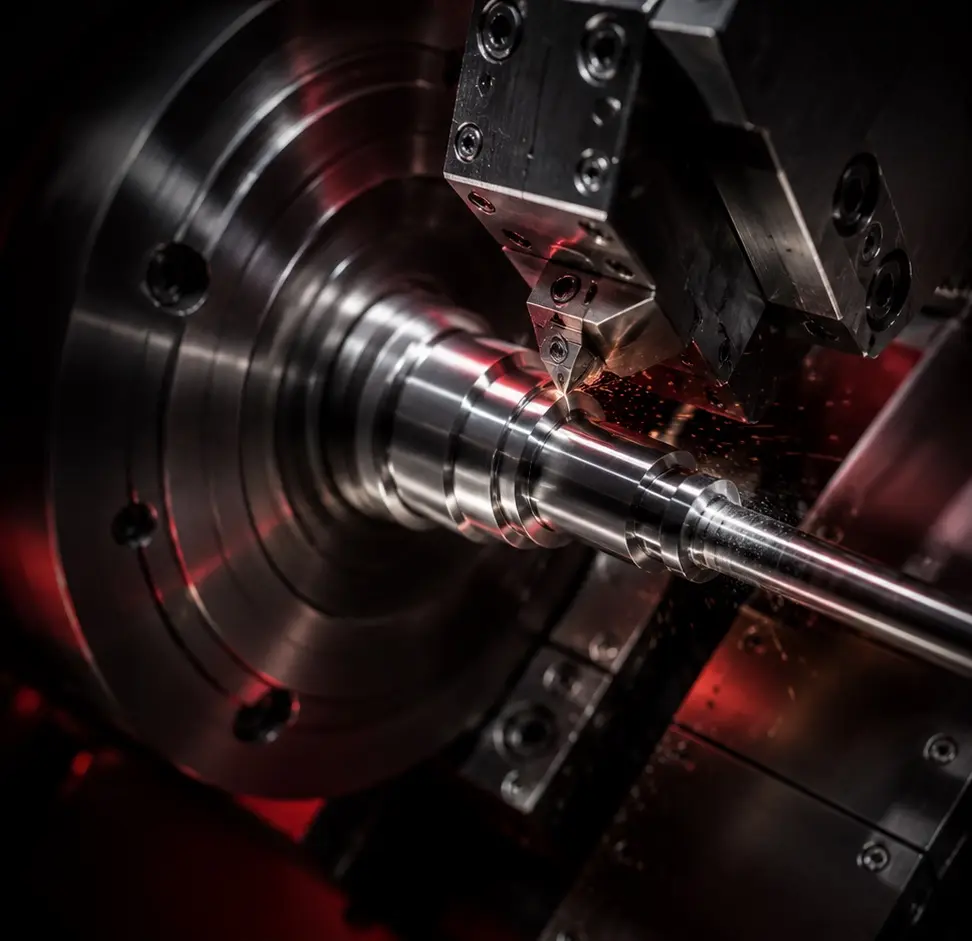
Fixturing cost and elimination. Each 3-axis setup needs its own fixture. Fixturing for 3-axis work averages roughly $500–$2,000 per part, while 5-axis fixturing is higher but consolidated at $2,000–$6,000. Those fixtures also cost money to design, build, and store. On a complex part that needs four or five 3-axis setups, fixture cost alone can close the gap between 3-axis and 5-axis pricing before cutting starts.
Programming time. Simultaneous 5-axis programming is often three to five times longer than 3-axis for complex surface geometry. That upfront cost is real, but it spreads across the production run. At 50 pieces, the programming premium per part still matters. At 5,000 pieces, it becomes negligible. The 3-axis alternative keeps paying setup costs on every run because fixtures and setup procedures repeat.
Hourly rate versus per-part cost. 5-axis machine hourly rates are typically 30 to 60% higher than 3-axis, yet per-part cost can match or beat 3-axis when 5-axis reduces fixture count, setup time, and rework. Focus on total manufacturing cost, including programming, setup, machining, and rework, rather than hourly rate alone. A 5-axis machine that finishes a complex part in one setup at a higher hourly rate often delivers a lower cost per finished piece than a 3-axis machine that needs four setups at a lower rate.
These four drivers together create the volume threshold. At very low volumes, programming amortization dominates and the choice stays close. As volume rises, setup and fixturing costs on the 3-axis side compound while 5-axis programming cost spreads thinner. At high volume on genuinely complex parts, a dedicated automated cell can remove direct labor from the equation, which conventional shops struggle to match.
See where your volume lands on the 3-axis versus 5-axis cost curve.
5-Axis Versus 3-Axis At Production Volume
Those cost drivers explain why the right answer depends on the part. For simple parts at high volume, 3-axis usually wins on total cost. For the geometry it suits, 3-axis is the correct engineering choice, not a compromise. A flat plate with drilled holes, a bracket with vertical walls and standard hole patterns, or a housing with features reachable from one or two directions will often run faster and cheaper on a well-tuned 3-axis cell.
Geometry, not just quantity, drives the crossover. At any quantity, a compound-angle surface can make simultaneous 5-axis the only workable process. In those cases, the quote comparison ends before it starts. Some parts that fit on a 5-axis machine can also run on a 3-axis or 4-axis machine, but they usually take longer and cost more because of extra setups and fixturing.
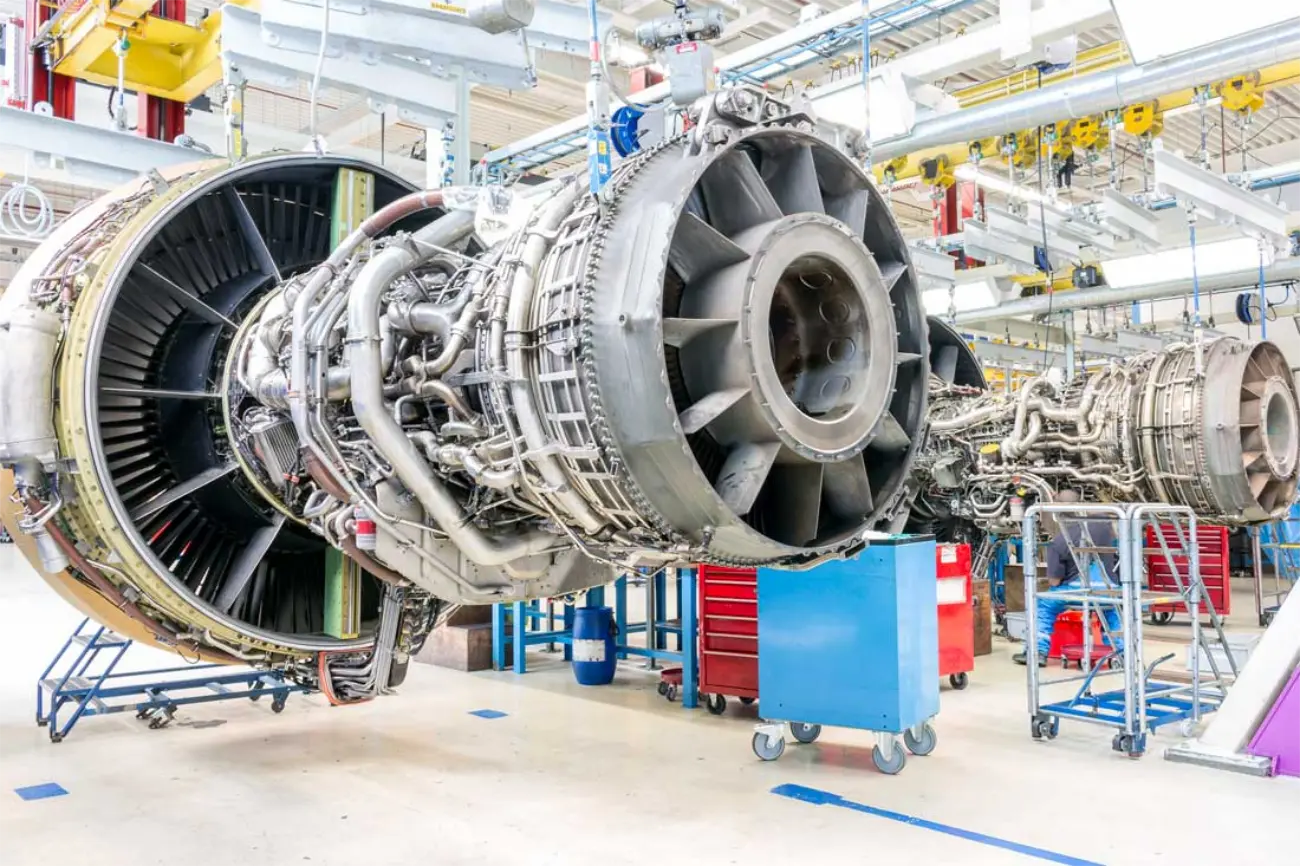
The type of 5-axis work also matters. Roughly 70% of parts buyers describe as 5-axis work are actually 3+2 indexed candidates. In 3+2 machining, the rotary axes position the part at a fixed angle and lock while cutting happens along the three linear axes. That approach is cheaper to program and run than true simultaneous 5-axis, where all five axes move during the cut. Simultaneous 5-axis stays reserved for true freeform surfaces such as impellers, turbine blades, and organic medical geometry where the surface normal changes continuously.
At higher volumes, the 3-axis versus 5-axis decision also depends on what the shop will invest. Many shops quote a complex part against whatever setup already exists on their floor. A shop that engineers a dedicated robot-tended cell around one customer’s specific part changes the economics once volume reaches the automation threshold, because lights-out machining removes most direct labor from the unit cost.
Part-Type Breakdown: How Geometry Changes The Volume Decision
Volume is only half of the decision. The other half is what the part actually requires. To see how geometry can override volume, consider four common part types and how each one shifts the choice.
- Impellers and blisks in Ti-6Al-4V and Inconel. These parts have complex contoured surfaces where the tool axis must rotate continuously during the cut. 3-axis machining of impeller and blisk blade profiles is practically impossible without accepting surface quality well below aerospace requirements. The geometry makes the decision, and volume becomes almost irrelevant. Even at 10 pieces, simultaneous 5-axis is the only viable process.
- Aerospace brackets in 6061 and 7075 aluminum. These brackets carry multi-face features with tight positional tolerances between hole patterns on perpendicular faces. For a multi-face aerospace bracket in aluminum 6061-T6 with positional tolerances of ±0.02 mm between hole patterns on two perpendicular faces, single-setup 5-axis machining is often the only reliable production method, because it eliminates datum shift between setups. A bracket at 500 pieces may or may not need 5-axis, depending on how tight those positional tolerances are and how many faces carry critical features. A bracket with loose tolerances and features on one or two faces stays a 3-axis part.
- Medical implants in 17-4 PH and Ti-6Al-4V. Medical implants such as hip stems, knee tibial trays, and spinal cages typically require Ra values of 0.4 to 0.8 µm on bearing surfaces. They also need positional tolerances of ±0.05 mm on fixation hole patterns. Those requirements drive both process selection and inspection strategy toward continuous 5-axis machining. The surface finish and tolerance requirements make 5-axis mandatory regardless of volume. Redstone Manufacturing USA’s Seattle facility is pursuing ISO 13485 certification for medical implant work.
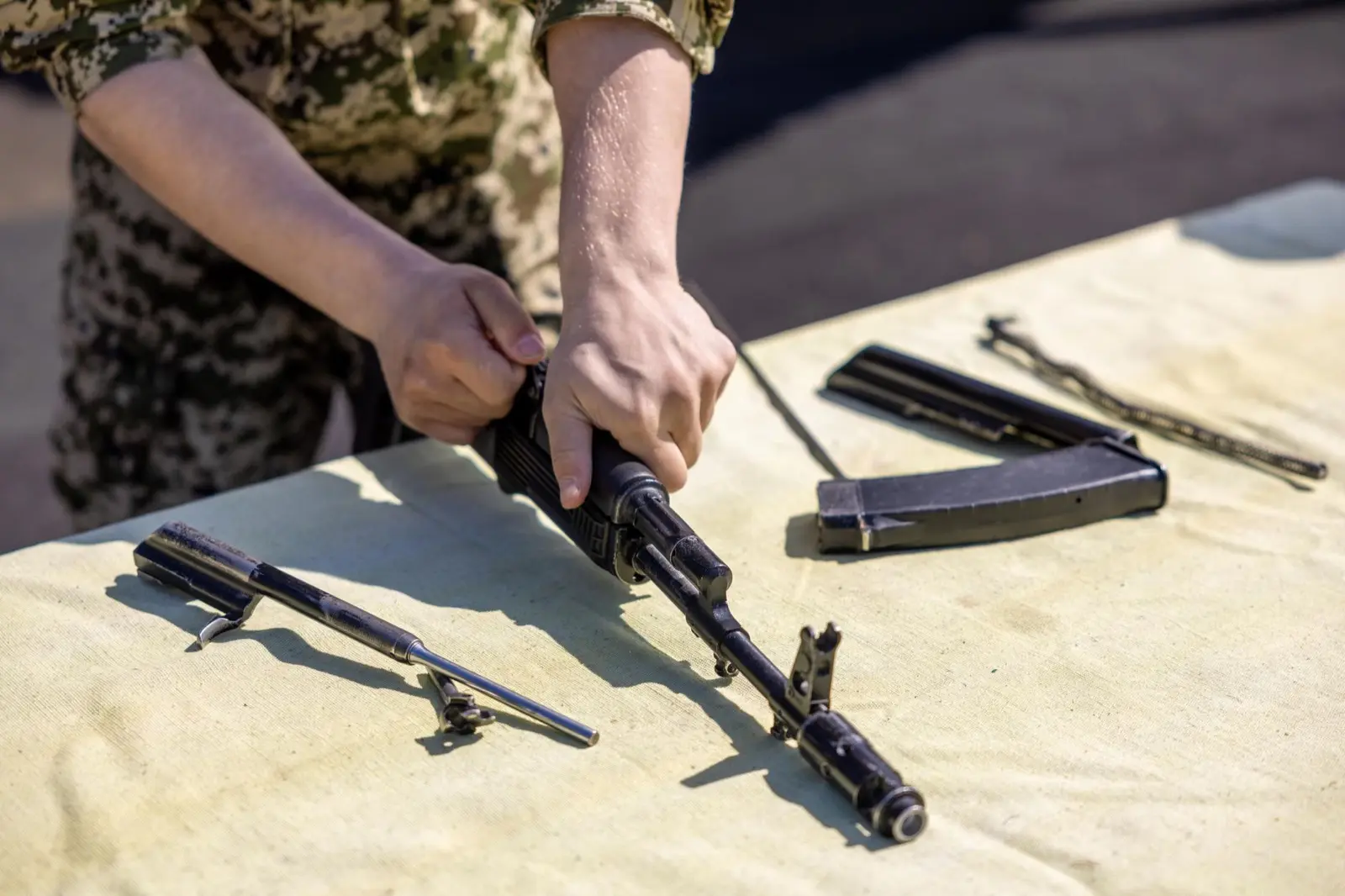
- Firearms components in 4140 and 17-4 PH. Firearms components combine complex geometry with a domestic production requirement, which means there is no overseas price comparison to undercut them. That reality leaves one main decision: whether the shop will invest in a cell designed around the specific part or quote it against whatever is already on the floor. At Redstone Manufacturing USA’s Seattle facility, firearms components are the primary production profile today.
The fit threshold at Redstone Manufacturing USA centers on genuinely complex 5-axis parts at meaningful annual volume. The Seattle facility runs only complex 5-axis parts at volume, with mill-turn capability, which combines milling and turning in a single setup, on two of its four machines. Small batches and simple parts do not fit that model. The largest single program runs approximately 144,000 pieces per year on a dedicated two-machine robot-tended cell that runs continuously, and these are genuinely complex parts rather than simple pins.
Find out if your part type and volume fit a dedicated 5-axis cell.
What Are The Limitations Of 5-Axis CNC?
5-axis machining has real constraints, and knowing them helps you match the process to your drawing instead of overbuying capability.
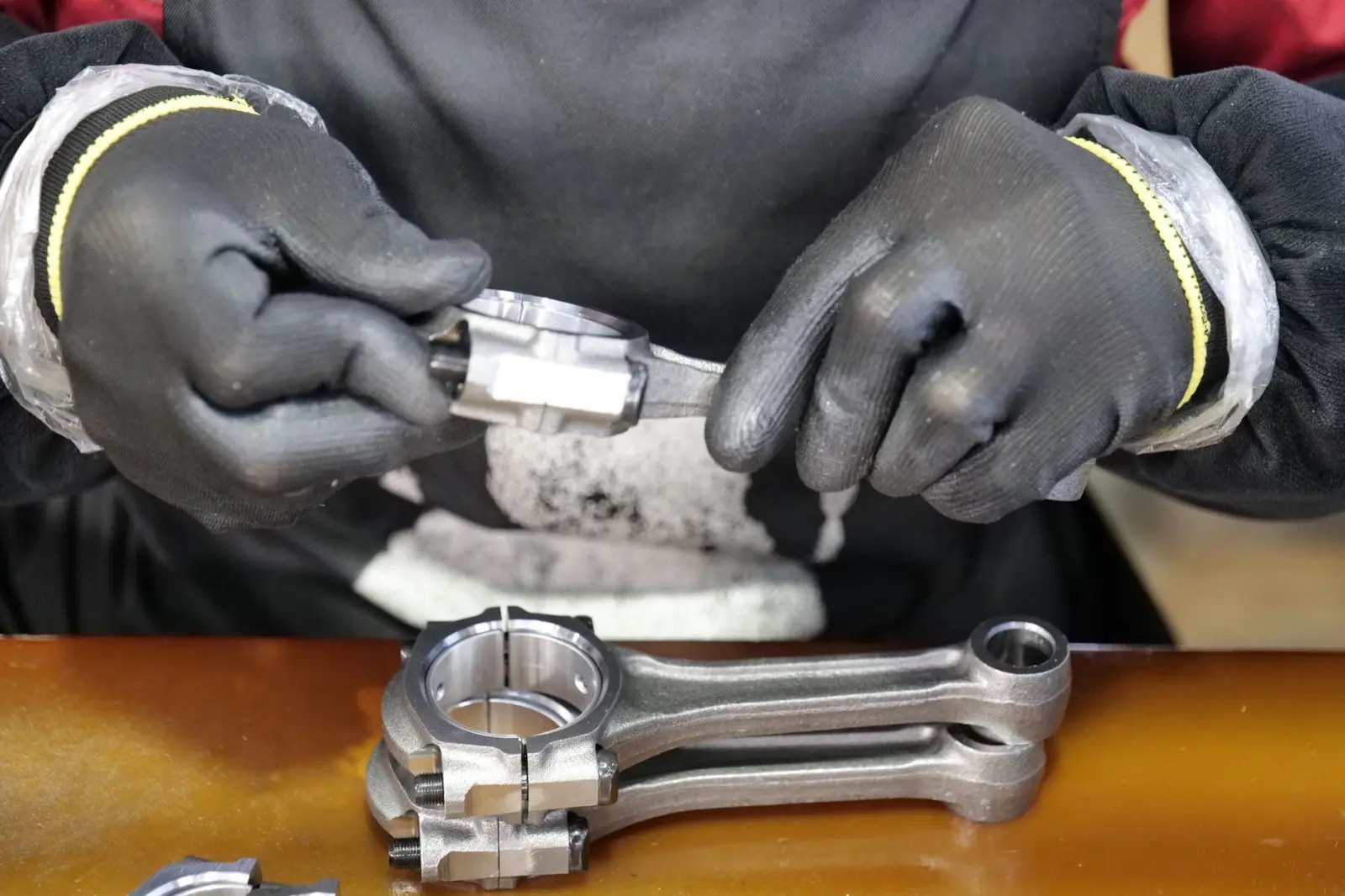
- Not every part needs it. For prismatic, well-oriented parts, 5-axis adds cost and lead time with no geometric benefit. If features are reachable from one or two directions and tolerances sit within standard fixture repeatability, 3-axis is the right answer. Running a simple part on a 5-axis machine only makes it more expensive, not better.
- Programming and setup take real time upfront. Programming a simultaneous 5-axis toolpath can require 15 to 30 hours of specialized computer-aided manufacturing (CAM) labor for a single aerospace impeller. Full machine simulation, which runs the program virtually to check for collisions, is mandatory. That investment has to amortize over the production run. At very low volumes, it can make 5-axis more expensive than 3-axis even on complex geometry.
- The model only pays back at volume. The economics of a dedicated robot-tended cell require enough annual volume to justify the capital. Below the automation threshold, a dedicated cell rarely makes sense. The cell is designed around one customer’s part and runs it continuously, so it needs steady demand.
- Lead time favors long-term programs. Setting up and optimizing a cell takes real time. First-article inspection, which measures the first parts off a new setup against the drawing, adds time before production begins. The model suits long-term programs at higher volume rather than fast-turn prototype work or urgent small batches.
- Rigidity constraints on simultaneous motion. In simultaneous 5-axis machining, rotary axes must move under load with brakes released, so stiffness is lower and feed rates are limited by rotary dynamics. This is why the great majority of production 5-axis work is done as 3+2 positional machining, where rotary brakes carry the cutting load and rigidity approaches that of a 3-axis machine. Simultaneous motion stays reserved for geometry that truly requires it.
When 5-Axis Stops Being Cost-Effective And What To Use Instead
5-axis stops being cost-effective when the part is simple enough that 3-axis or another process delivers it at lower total cost. That outcome reflects good engineering, not a failure of 5-axis.
The harder situation appears when the part is genuinely complex and the volume is high. Many shops still quote that work against whatever setup already exists on their floor, so the customer sees a price shaped by the shop’s equipment instead of the part’s real needs.
For complex 5-axis parts at higher annual volumes, the better answer is a supplier that engineers a dedicated cell around that one part under a long-term agreement, running lights-out and unattended. That approach takes direct labor out of the unit cost in a way that conventional manual machining cannot match. Automation is the major shift in 5-axis machining. Built-in pallet changers and robot tending allow 5-axis centers to run unattended overnight, which supports steadier pricing on repeat work.
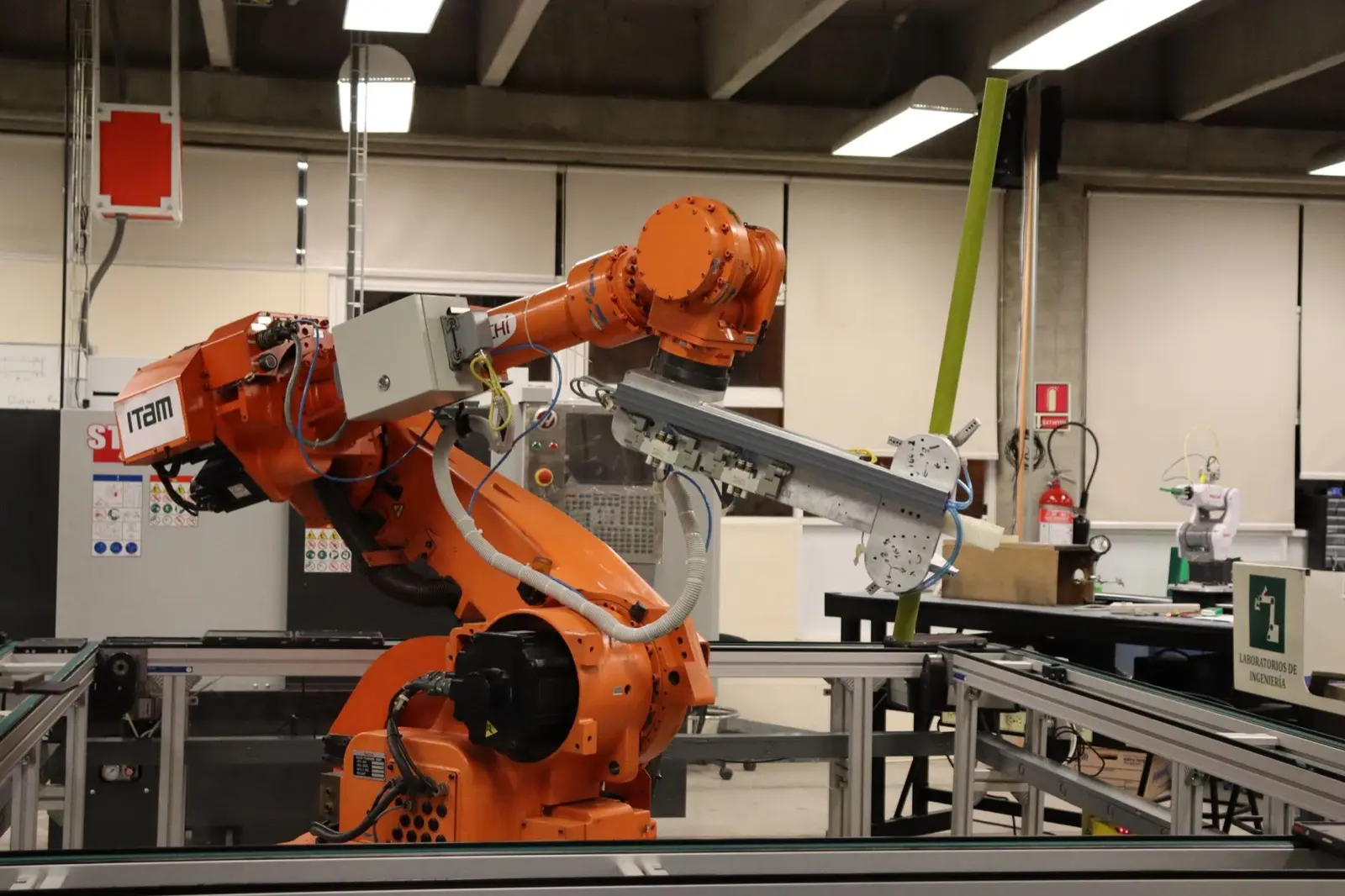
Most shops will not make that investment because designing and commissioning a cell around one customer’s part requires a long-term commitment of capital. Redstone Manufacturing USA’s Seattle facility does make that commitment. The facility runs four robot-tended Brother Speedio machines, two M200 mill-turn and two U500 5-axis, alongside a Mitutoyo coordinate measuring machine (CMM) for dimensional verification. Every new program receives first-article inspection, standardized workholding keeps parts in family run after run, and lot and material traceability follows each program for its life.
Redstone also offers a capability most CNC shops cannot match: castings produced at an overseas facility and machined in Seattle, with one company accountable for both casting and machining. Many machine shops avoid castings and ask the customer to source them independently. Redstone manages the entire chain.
Discuss a dedicated automated cell for your complex part at volume.
How To Tell If Your Part Is A 5-Axis Candidate
Most people without machining experience cannot reliably tell whether a part truly requires 5-axis machining. Some parts that fit on a 5-axis machine can also run on a 3-axis or 4-axis machine, but usually with longer cycle times and more setups. Geometry drives the decision, and reading that geometry from a drawing requires knowing what a machine can and cannot reach.
The practical answer is to send the drawing. Redstone Manufacturing USA will review the part and explain whether there is a cost advantage in producing it as a 5-axis part, whether 3+2 indexed machining is sufficient, or whether 3-axis is actually the right process. The review is the starting point, not a commitment.
Send your drawing and get a process recommendation for your volume.
Frequently Asked Questions
At What Volume Does 5-Axis Machining Make Sense?
There is no single volume number that applies to every part because the threshold moves with complexity. For genuinely complex parts, with features on three or more non-orthogonal faces, tight positional tolerances between those features, or compound curved surfaces, 5-axis often wins on total cost from low volume upward because setup reduction and fixturing elimination outweigh the higher hourly rate. For parts that are complex enough to require simultaneous 5-axis motion, such as impellers or turbine blades, the geometry alone makes the decision. For moderately complex parts, the 3-axis versus 5-axis cost crossover typically occurs around 10 pieces, with 5-axis pulling ahead above that range. Keep the higher-volume automation threshold in mind as the point where dedicated cells further shift the economics toward 5-axis.
Is 5-Axis CNC Faster Than 3-Axis?
Speed depends on the part. For complex multi-face parts, 5-axis is faster in total production time because it eliminates multiple setups, handling cycles, and re-fixturing events. A part that requires four 3-axis setups accumulates significant handling and verification time between operations, and a single 5-axis clamping removes that overhead. For simple prismatic parts with features reachable from one or two directions, 5-axis is usually not faster because rotary-axis overhead and more complex programming add time without benefit. The useful question is which process produces your specific part at the lowest total cost per finished piece, including setup, scrap, and inspection time.
When Does 5-Axis Stop Being Cost-Effective?
5-axis stops being cost-effective when the part is simple enough that 3-axis delivers it at lower total cost, or when volume is too low to spread programming and setup investment. For simple prismatic parts at high volume, a well-optimized 3-axis cell with dedicated fixtures is typically the right answer. For genuinely complex parts at higher volume, a dedicated robot-tended cell running lights-out can remove most direct labor from the unit cost, so 5-axis becomes more cost-effective as volume rises. The key variable is whether the part is genuinely complex or simply being run on the wrong machine.
What Part Types Genuinely Require 5-Axis Machining?
Parts that genuinely require 5-axis machining share one or more traits. They may have features on three or more non-orthogonal faces with tight positional tolerances between them, compound curved surfaces where the tool axis must rotate continuously during the cut, deep cavities or pockets that need multi-angle tool access, or geometry that a 3-axis tool cannot reach without repositioning. Examples include impellers and blisks with contoured airfoil surfaces, aerospace structural brackets with hole patterns on multiple perpendicular faces held to tight positional tolerances, medical implants requiring surface roughness of Ra 0.4 to 0.8 µm on bearing surfaces, and complex housings with intersecting passages and angled interfaces. Parts that do not meet these criteria, such as flat plates, simple brackets with vertical walls, and housings with features accessible from one or two directions, are usually better served by 3-axis machining at lower cost.