Key Takeaways
- Investment casting uses a lost-wax process to create near-net-shape metal parts with complex geometry and thin walls that would otherwise require heavy machining.
- Major cost drivers include wax-pattern tooling, labor-intensive shell building, one-pattern-per-part consumption, yield losses on complex geometry, and extra machining caused by overly tight tolerances.
- Design rules for wall thickness, draft angles, corner radii, and realistic tolerance callouts directly affect both cost and casting yield.
- Compared with sand casting and die casting, investment casting delivers tighter tolerances and smoother surfaces, which suits low-to-medium volumes and hard-to-machine alloys.
- Redstone Manufacturing runs a managed sourcing program that covers tooling, DFM (design for manufacturability) review, quality inspection, and import logistics so US and Canadian buyers avoid the hidden costs of direct overseas purchasing.
Start your casting project with a DFM review.
Stages Of The Investment Casting Process
The investment casting process follows a defined sequence. Each stage builds on the last, and quality problems introduced early carry through to the finished part.
- Wax Pattern Creation. Molten wax is injected into a precision metal die to produce an exact replica of the finished part geometry. The accuracy of the wax pattern carries directly into the final casting.
- Tree Assembly (Pattern Gating). Individual wax patterns attach to a central wax runner or sprue to form a cluster called a tree. Gate placement is engineered to control metal flow and minimize defects.
- Ceramic Shell Coating (Slurry And Stucco). The wax assembly is dipped repeatedly into ceramic slurry and coated with fine refractory sand between each dip until the shell reaches roughly 3/8 inch thick. Each coat requires drying time, so shell building alone takes several days.
- Dewaxing (Autoclave Or Flash Fire). The shell is heated by steam autoclave, flash fire, or furnace burnout. The wax melts out and leaves a hollow ceramic cavity, which gives the process its “lost wax” name.
- Shell Firing. The ceramic shell is fired at high temperature to burn out residual wax, drive off moisture, and build the strength needed to survive molten metal. Rushing this step often causes shell damage or casting defects.
- Metal Pouring. The fired shell is preheated and molten metal is poured into the cavity, where it solidifies in the shape of the original wax pattern.
- Cooling And Shell Removal. After solidification, the ceramic shell is broken away by vibration or high-pressure water, exposing the metal tree. Controlled cooling protects the metal’s internal structure.
- Cutoff And Finishing. Individual castings are cut from the gating tree using a band saw or abrasive cutoff wheel. Gates are ground flush and surfaces are cleaned, often by shot blasting.
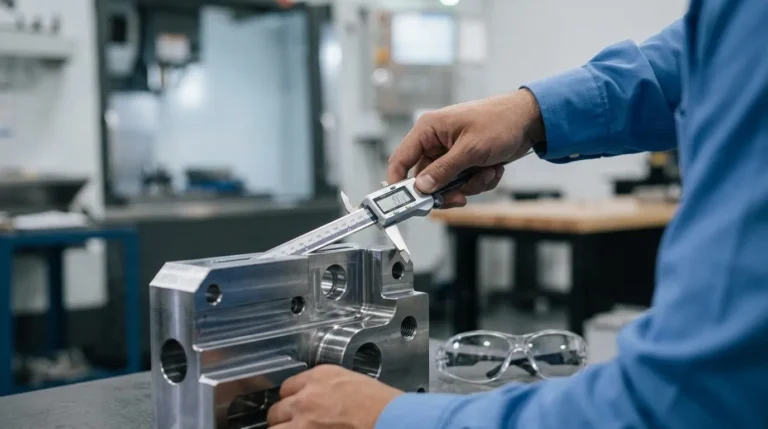
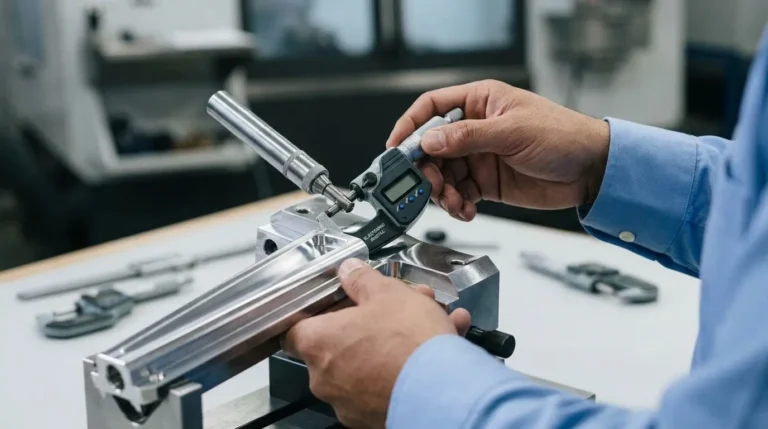
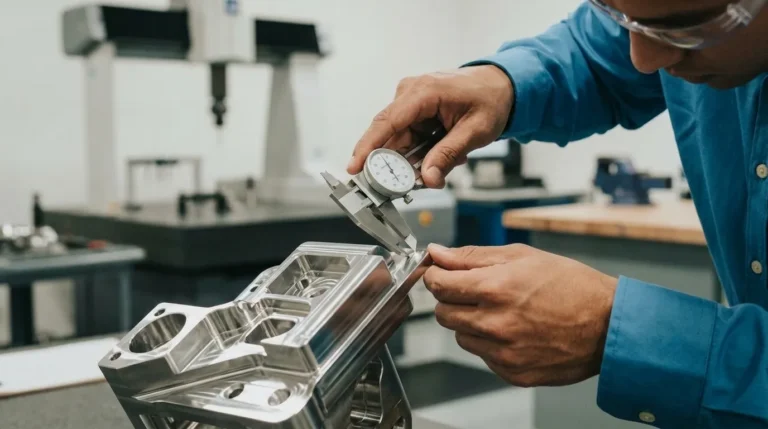
- Inspection. Every casting is inspected using calibrated gauging, a coordinate measuring machine (CMM), or other metrology tools per the customer’s drawing.
For prototype and low-volume work, 3D-printed wax patterns can replace hard tooling. Printed patterns allow parts to be produced in days without a tooling investment, which compresses development timelines before committing to a production die. Conventional investment casting with hard tooling requires 8 to 20 weeks of initial lead time for mold design and manufacture, versus 1 to 3 days for a rapid-prototyped pattern.
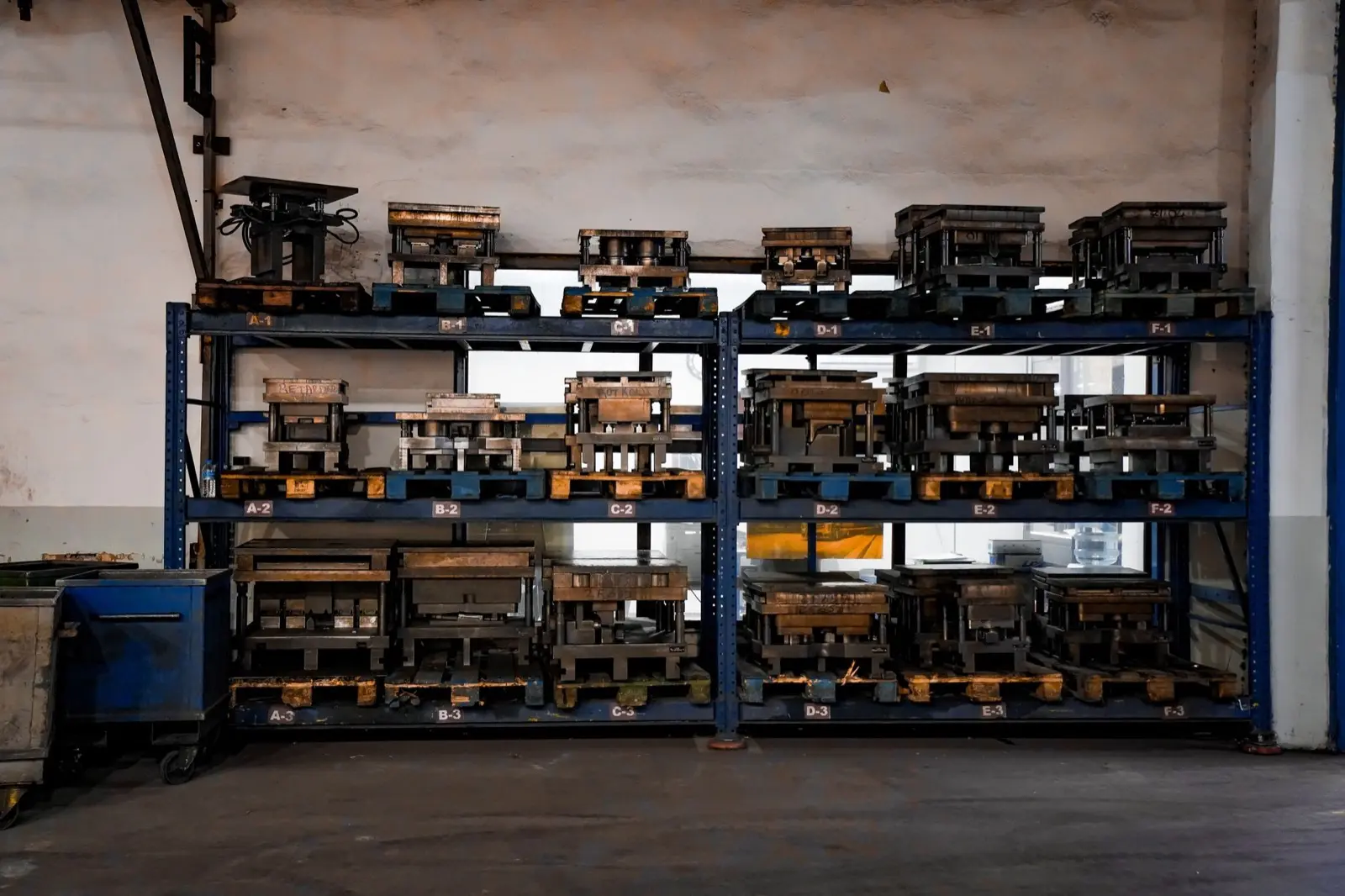
The investment casting process suits complex geometry, thin walls, internal features, and near-net-shape parts that would otherwise require heavy machining from solid stock. It works especially well for parts with curved profiles, small features, difficult machining access, and high material-removal costs.
Why Investment Casting Often Costs More
Because the process involves many discrete steps, the part price is not the whole cost. Several distinct cost drivers stack on top of each other, and understanding them gives the buyer real leverage.
Wax Pattern Tooling. A metal die must be machined before a single wax pattern can be produced. Tooling is the biggest upfront cost and the longest lead item, typically taking six to ten weeks before the first wax is shot. Tooling cost varies with part geometry, parting strategy, inserts, slides, and expected tool life. A simple single-cavity sampling tool differs substantially from a multi-cavity production tool. Domestic tooling quotes can reach six figures for complex parts. One customer Redstone worked with held a domestic tooling quote in that range for a part that Redstone’s overseas facility quoted at a small fraction of that cost. That gap often decides whether a project moves forward.
Shell Building Labor. Labor is a growing cost and availability constraint in investment casting, particularly for skilled wax assemblers, shell technicians, and vacuum furnace operators. The process is labor-intensive per part because each wax pattern is assembled by hand and each shell is built through multiple dip-and-dry cycles.
One Part Per Pattern. Unlike die casting, which reuses the same die for thousands of shots, investment casting consumes one wax pattern per part. That consumption, combined with labor, shell-building cycles, and slower throughput, is why per-part costs run higher than die casting. This is simply how the process works.
Yield Loss On Complex Geometry. Yield losses from porosity, shrinkage, and inclusion defects are a major hidden cost. Complex geometry with abrupt wall changes, isolated heavy sections, or difficult-to-feed areas increases shell failure risk and scrap rate. Features such as deep slots, isolated heavy sections, and thin fins also increase tooling complexity and finishing labor.
Secondary Machining From Tight Tolerances. The single most expensive drawing error is applying CNC-level tolerances to as-cast surfaces. Every dimension called tighter than the process can hold as-cast forces secondary machining, additional inspection, and higher scrap risk. Tight tolerances across an entire drawing also increase tooling correction, straightening, and rejection risk.
Buyers gain leverage through tooling design decisions, tolerance callouts, wall thickness, and the choice to cast near-net shape and machine only where it matters. A near-net design at a slightly higher foundry price can produce a lower finished-part cost once machining and finishing are included. DFM review before tooling is cut is where those decisions get made.
Get a cost breakdown for your casting.
Design Rules That Shape Cost And Yield
Many of the cost drivers described above trace back to the drawing. Most expensive casting problems are drawing problems that are set before the first wax is shot and then compound through every stage of production.
Wall Thickness. Stainless steel investment castings can be made with walls of about 1.5 mm over short distances, with 2.5 to 3 mm as a general design value. Thick sections cool more slowly than surrounding geometry, which makes directional solidification and metal feeding harder and raises shrinkage risk. Excess wall thickness adds material cost and can introduce the porosity a buyer is trying to avoid.
Draft Angles. Investment casting requires minimal draft because the wax pattern shrinks away from the die and the ceramic shell is destroyed at shakeout. A standard draft angle of 0.5 to 2 degrees on die surfaces perpendicular to the parting line is recommended. For deep pockets and blind holes, 2 to 3 degrees minimum helps avoid wax tearing on ejection.
Corner Radii. Inside fillet radii of at least 1.0 times wall thickness are recommended, with 1.5 mm as the standard minimum for fluid flow optimization. Outer corner radii of 1.5 times wall thickness promote laminar metal flow. Sharp internal corners act as stress concentration points and crack initiation sites during solidification.
Tolerance Callouts That Force Unnecessary Machining. As discussed in the cost section, tight tolerances force secondary machining and raise scrap risk. The fix is to separate functional interfaces from non-critical cast surfaces. Mark bearing seats, sealing faces, threaded holes, and precision bores for machining with appropriate stock, and call out everything else at a realistic casting tolerance grade per ISO 8062-3.
When To Machine After Casting. Casting and post-cast CNC machining under one roof preserves datum alignment and lets the machining program be written with knowledge of the as-cast geometry. This approach delivers better first-article pass rates than split-source approaches. The decision of what to cast to near-net shape and what to machine is a cost decision as well as a quality decision.
DFM review works in both directions. It catches parts that will fail in production and parts that are paying for performance nobody needs. Substitute materials and tolerance adjustments are proposed during DFM and always require customer approval. The goal is to prevent expensive drawing mistakes before tooling is cut.
Investment Casting Compared With Sand And Die Casting
The right process depends on the part, the volume, and the landed cost. The table below compares the three processes on the metrics that most often decide the choice: dimensional tolerance, as-cast surface finish, and minimum wall thickness.
| Process | Dimensional Tolerance (ISO 8062-3) | As-Cast Surface Finish | Minimum Wall Thickness |
|---|---|---|---|
| Investment Casting (Silica Sol) | Ra 1.6–6.3 µm | 1.5 mm | |
| Sand Casting | Ra 12.5–50 µm | 3 mm (light alloys), 5–6 mm (ferrous) | |
| High-Pressure Die Casting | Ra 1.6–3.2 µm | 1.5–2.0 mm (aluminum) |
Sand casting handles nearly any alloy and scales to very large parts. Its dimensional variability and rough surface finish mean that most functional surfaces require secondary machining. For components where most surfaces require Ra 3.2 µm or better, investment casting’s near-net-shape advantage often changes the total cost calculation in its favor even when the casting price per kilogram is higher.
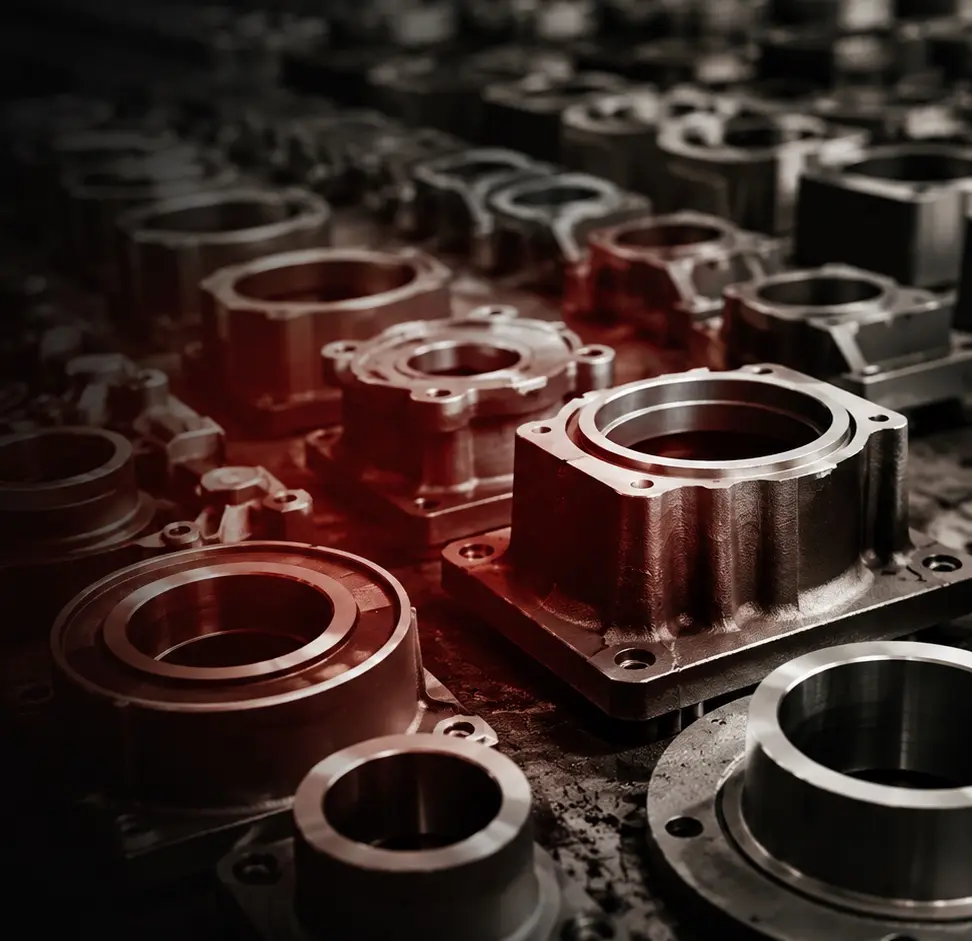
Investment Casting Vs Die Casting
Die casting forces molten metal into a permanent steel mold under high pressure and achieves tolerances comparable to investment casting. It is largely limited to aluminum, zinc, and magnesium alloys. Investment casting supports stainless steel, nickel alloys, cobalt, and a wider range of alloys that die casting cannot process. Die casting tooling costs are also substantially higher than investment casting tooling for equivalent complexity. Standard single-cavity aluminum die casting production dies typically cost significantly more than investment casting tooling for comparable parts. Die casting becomes economical at high volumes where rapid cycle times amortize that tooling investment. Investment casting is suited to low-to-medium production volumes ranging from prototypes to tens of thousands of parts, whereas die casting is economical at high volumes of thousands to millions of parts.
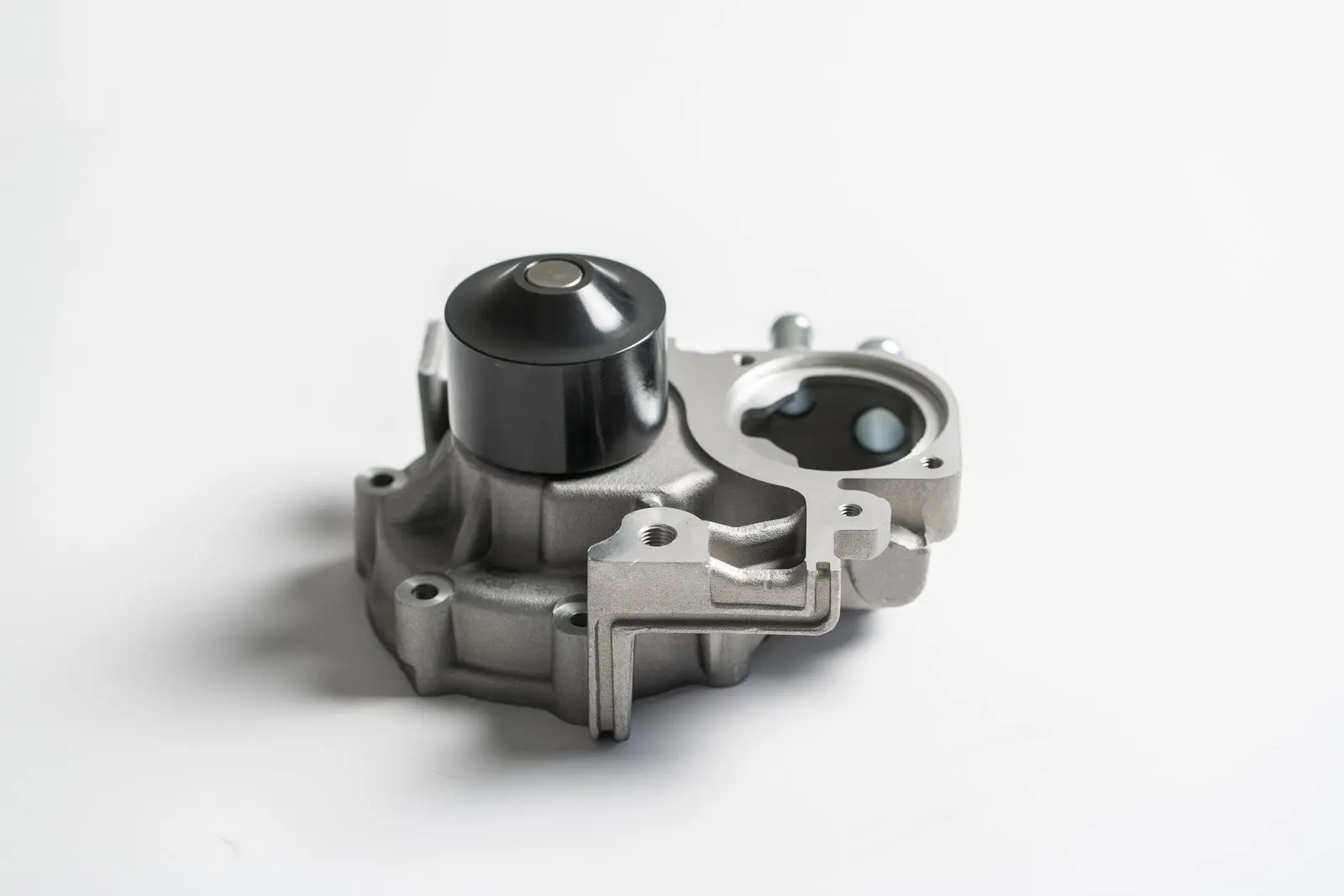
Redstone’s overseas facilities run investment casting alongside die casting in aluminum and zinc, sand casting, CNC machining, sheet metal fabrication, and injection molding. The production route is chosen by the part, the volume, and the landed cost.
What Metals Work Well For Investment Casting?
Once the process is chosen, the next decision is the alloy. Investment casting works with a broad range of alloys and is particularly well suited to metals that are expensive or difficult to machine from solid stock. Common investment cast alloy families include stainless steel, carbon and alloy steel, aluminum, cobalt alloys, nickel-based superalloys, bronze, and brass.
Stainless steel is the largest category. Austenitic grades such as 304 and 316L are the most widely investment cast stainless steels globally. They combine corrosion resistance, weldability, and simpler post-cast handling. Duplex and super duplex grades offer higher strength and better corrosion resistance for demanding environments. Precipitation-hardening grades such as 17-4 PH develop very high strength through controlled heat treatment and are widely used in aerospace and defense structural applications.
Nickel-based superalloys are chosen when a part must withstand high temperature, oxidation, and corrosion at the same time. Investment casting is the preferred manufacturing method for superalloy components because superalloys are notoriously difficult to machine. They work-harden rapidly, generate high cutting forces, and cause rapid tool wear, so the near-net-shape capability of investment casting minimizes required machining. Common grades include Inconel 625 and 718, Hastelloy C-276, and Monel 400.
Alloy choice affects cost, machinability, and finishing requirements. Higher-alloy grades carry higher raw material costs and often require vacuum melting, controlled-atmosphere processing, and more demanding heat treatment. Those costs are real, yet they are often lower than machining the same geometry from solid bar stock in a difficult-to-cut alloy.
As noted earlier, Redstone’s overseas facilities run multiple processes, and the production route is selected by the part, volume, and landed cost.
Discuss alloy options with our engineers.
How Accurate Is Investment Casting?
As shown in the comparison table, investment casting using the silica sol shell process holds dimensional casting tolerance grades CT4 to CT6. This is per ISO 8062-3, the international standard that classifies achievable casting accuracy by nominal dimension. In practice, that translates to a widely used rule of thumb: ±0.005 inches per inch of length for standard investment casting. Surface finish follows a similar pattern, with as-cast results running Ra 1.6 to 6.3 micrometers, comparable to a light machined surface.
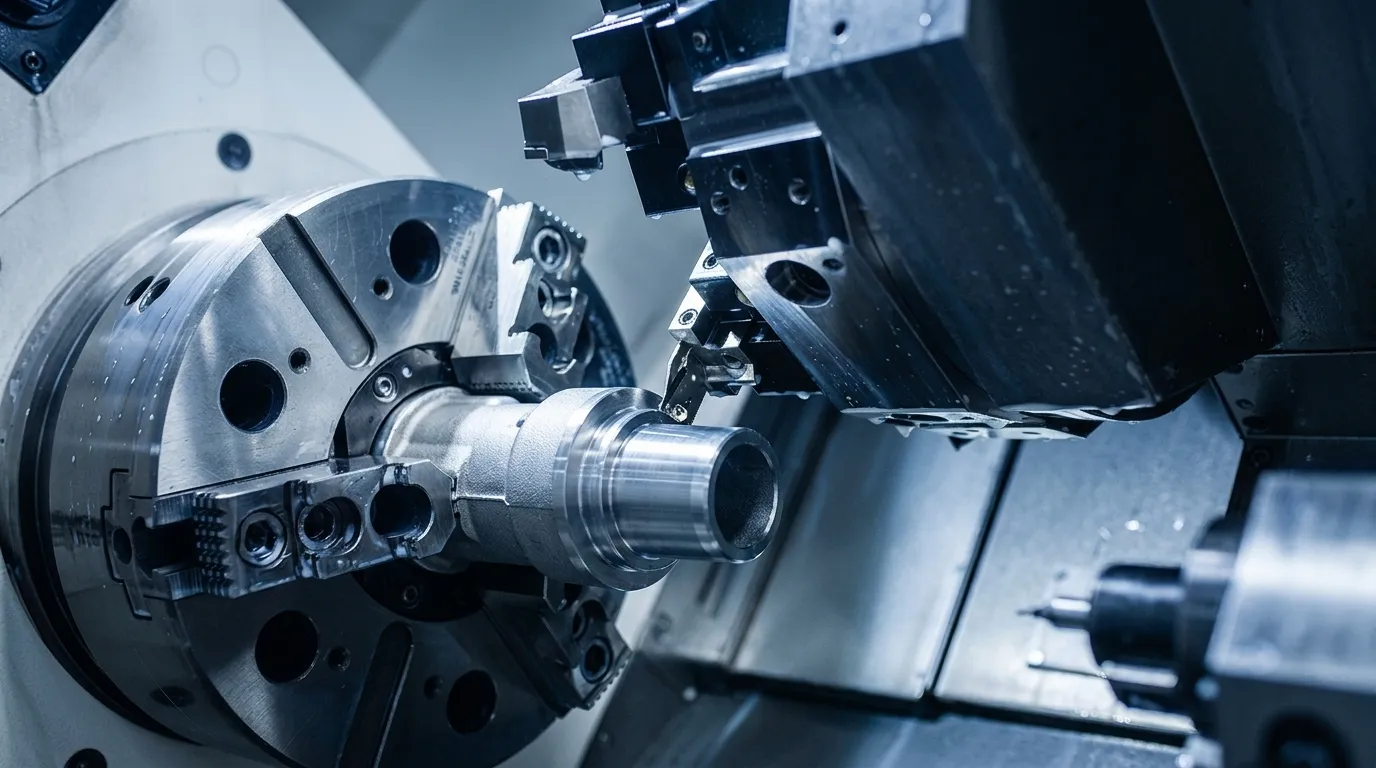
Tolerance capability is not uniform across a part. Features formed directly by the die hold tighter than long, thin sections or features that cross a parting line. Bearing seats, sealing faces, threaded holes, and datums must be machined in investment castings, with machining stock of 1.5 to 2 mm added per face. Secondary machining is a planned route to final precision on features that need it.
When tolerances tighter than the as-cast process can hold are required, secondary CNC machining brings critical features to final dimension. Post-cast CNC machining can tighten critical features to ±0.001 mm.
First-article inspection on a new program measures the first parts against the drawing before volume runs begin. Redstone conducts first-article inspection on every new program, with dimensional verification and in-process checks throughout production. Lot and material traceability is maintained for the life of the program. For castings that need finish machining after casting, Redstone’s Seattle facility runs 5-axis CNC machining with mill-turn capability on two of four machines, so the casting and the machining stay under one accountable company.
Sourcing The Casting: Domestic, Overseas, Or Managed Program
US and Canadian buyers usually face three realistic sourcing routes. Each one solves a different problem and creates a different one.
Domestic Foundry. A domestic foundry feels known, safe, and accountable. Someone answers the phone, the contract is enforceable, and nobody has to think about customs. The problem is tooling cost. A domestic tooling quote often decides whether the project happens at all. Part prices usually show the same gap relative to overseas production.
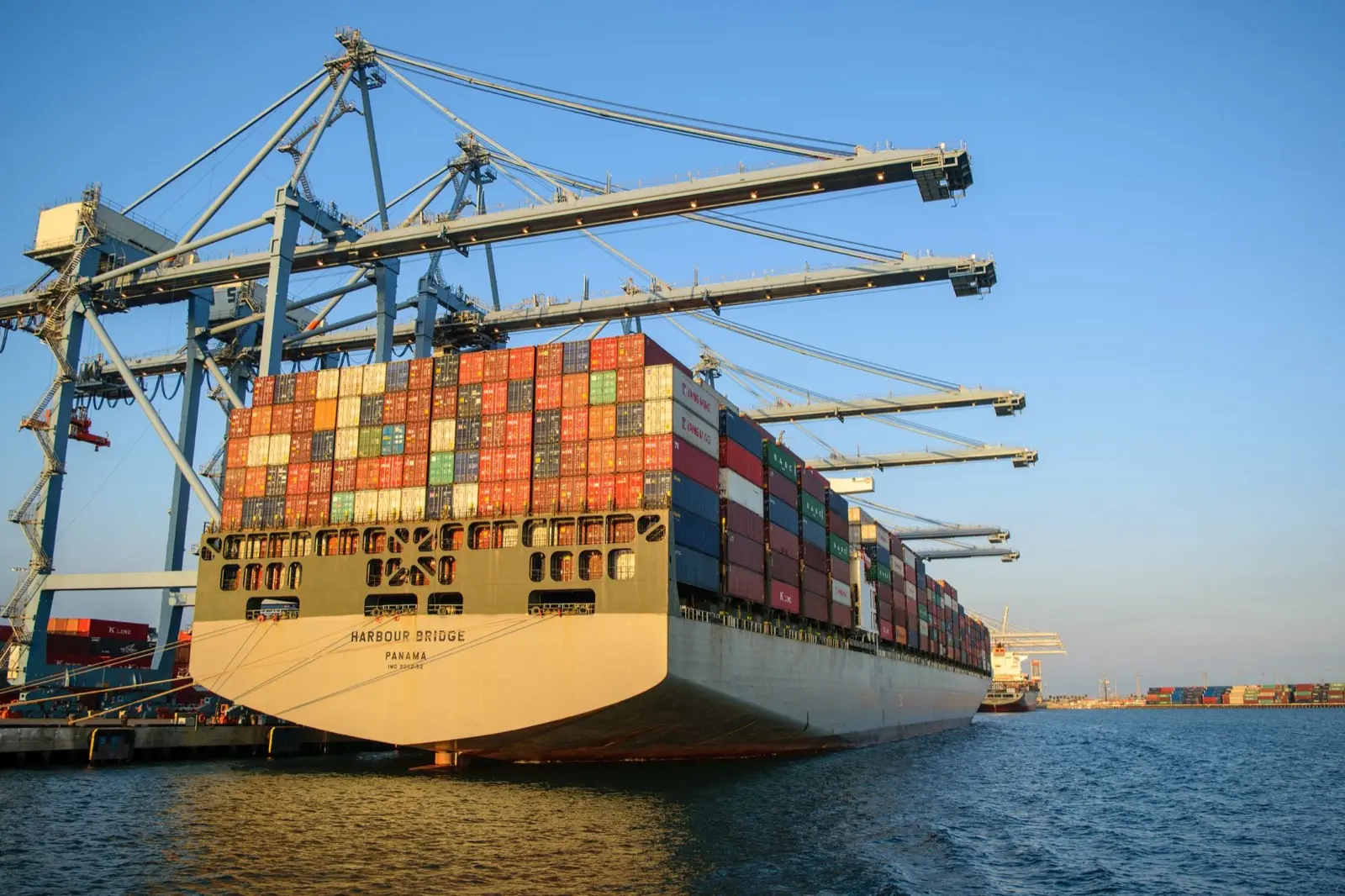
Direct Overseas Foundry. This route offers the lowest part price because the foundry is only selling parts. Everything else becomes the buyer’s job: supplier selection, quality management, DFM, drawing control, pre-shipment inspection, freight, customs brokerage, HTS (Harmonized Tariff Schedule) classification, and tariff exposure. Payment is usually demanded in advance, which means the money leaves before anything is verified. When something goes wrong, there is no practical recourse against a supplier thousands of miles away. Most buyers in this market describe the situation plainly: they have no import experience.
Managed Program. Redstone Manufacturing gets custom metal and plastic parts made for US and Canadian companies whose core business is not metal manufacturing and who have no in-house sourcing or quality function. Redstone runs the RFQ (request for quote) across its own facilities in China, India, Taiwan, Vietnam, and Mexico. It selects the production route, closes engineering gaps with DFM review and drawing work, and inspects every shipment in person at origin before it leaves. As importer of record on modified DDP (Delivered Duty Paid) terms, Redstone gives the customer one landed price and handles all customs forms. Repair, replacement, or refund responsibility sits with a US company under a US contract. Nothing is owed until samples are approved and in-spec production parts ship, then payment terms such as Net 30 or Net 60 apply from ship date.
Two commercial terms carry most of the weight in that offer and both need clear definitions.
Importer of record is the party legally responsible for the customs entry. That party classifies the goods, files the paperwork, and pays the duties and tariffs. That responsibility normally falls on the buyer. Redstone takes it.
Modified DDP is a shipping term where the seller moves the goods all the way to the buyer’s door with duties paid. Redstone’s version is modified because freight is quoted separately, prepaid, and added to the invoice rather than buried inside the part price.
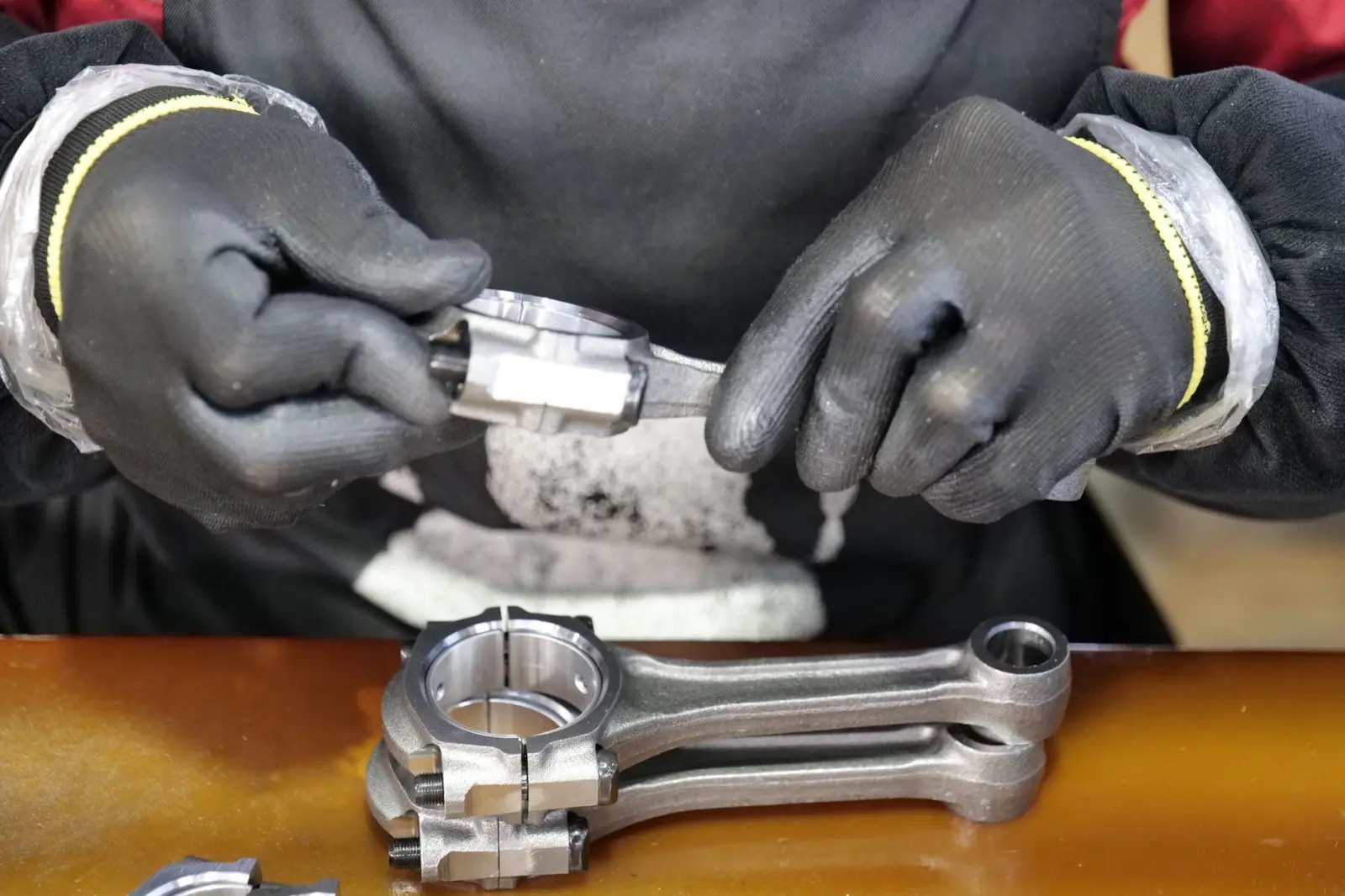
A casting can be produced at a Redstone overseas facility and machined at Redstone Manufacturing USA in Seattle, with one company accountable for both ends. Most CNC shops will not touch castings and tell the customer to source them independently. Redstone handles both casting and machining.
Tariffs are the hidden variable that can erase the savings of an overseas route. Because they depend on where the metal was melted and poured, not where the part was cast, they change the landed cost calculation. The following reflects the trade rules as of September 2026.
Under the April 2, 2026 Section 232 proclamation, duty on steel follows where the steel was melted and poured, and duty on aluminum follows where the aluminum was smelted and cast, not where the finished part was made. This point is the single most consequential detail many buyers miss. It also opens a legitimate structure: buying US-origin material, shipping it out for casting, and bringing the finished part back at a reduced duty rate.
The June 1, 2026 proclamation set the threshold for qualifying as made from US-origin metal at 85 percent by weight, down from 95 percent, and established a reduced 10 percent Section 232 rate for derivative articles meeting that threshold.1
Section 232 and Section 301 are two different statutes with two different triggers, and they stack. For steel castings imported from China, the total effective duty in 2026 is approximately 52.9 percent.1 That figure comprises a base MFN (most-favored-nation) rate, a Section 232 derivative duty, and a Section 301 duty. Buyers often hear both numbers, cannot tell which applies to them, and assume one replaced the other. Both can apply because they are triggered by different things: Section 301 is aimed at a country, and Section 232 is aimed at a material on national-security grounds.
USMCA (United States-Mexico-Canada Agreement) treatment depends on North American content thresholds, not on where final assembly happens. A mostly Chinese product finished in Mexico does not automatically qualify for preferential treatment.
Redstone can move a program between its facilities in China, India, Taiwan, Vietnam, and Mexico if tariffs or conditions change. The customer does not have to find and qualify a new supplier.
Compare sourcing routes for your part.
Common Investment Casting Mistakes And Misunderstandings
These errors come up repeatedly in the buying process. Each one is avoidable, and each one has a direct fix.
- Assuming the cheapest part price is the cheapest landed cost. A direct overseas foundry quotes parts only. Freight, customs brokerage, HTS classification, tariff exposure, quality management, and the cost of a bad batch are not in that number. The landed cost is what matters.
- Ignoring tooling as the project blocker. Tooling is a one-time cost that has to be paid before a single production part exists. A high domestic tooling quote is a decision point about whether the product gets made at all.
- Calling tolerances tighter than the process can hold. Applying CNC-level tolerances to as-cast surfaces forces secondary machining, increases inspection cost, and raises scrap risk without improving functional performance. Reserve tight callouts for the dimensions that actually drive function.
- Submitting incomplete or untrusted drawings. A foundry cannot quote accurately against a drawing it cannot trust. Incomplete drawings produce inaccurate quotes and expensive surprises after tooling is cut.
- Assuming Mexico is automatically cheaper because it is closer. Ocean freight is often cheap relative to trucking, so proximity saves less than expected. Labor rates differ from efficiency rates, and material availability varies. The landed cost calculation has to be run.
- Assuming USMCA treatment follows final assembly. USMCA preferential treatment depends on North American content thresholds, not on where the final assembly step occurs. A part assembled in Mexico from Chinese components does not automatically qualify.
- Assuming Section 232 replaced Section 301, or vice versa. Section 232 and Section 301 are separate statutes with separate triggers and they stack. Both can apply simultaneously to the same part.
How To Tell If Your Part Needs 5-Axis Machining
Most buyers cannot reliably tell whether a part requires 5-axis machining without help. The term refers to a CNC (computer numerical control) machine whose cutting tool can reach the part from five directions in a single setup, which makes complicated geometry possible without repeatedly unclamping and re-fixturing the part.
Some parts that can be made on a 5-axis machine can also be produced on a 3-axis or 4-axis machine, but it takes longer and often costs more. Some parts that look simple still require 5-axis access because of where critical features sit.
The practical answer is to send the drawing. Redstone will review the part and tell you whether it requires 5-axis machining, what the cost implications are, and how to design it for the most efficient production route.
1 Tariff rates change often. Always check the US Customs and Border protection website for the latest information.