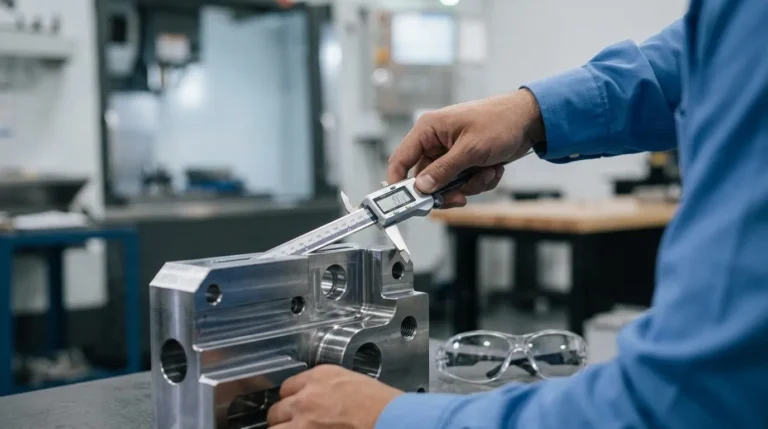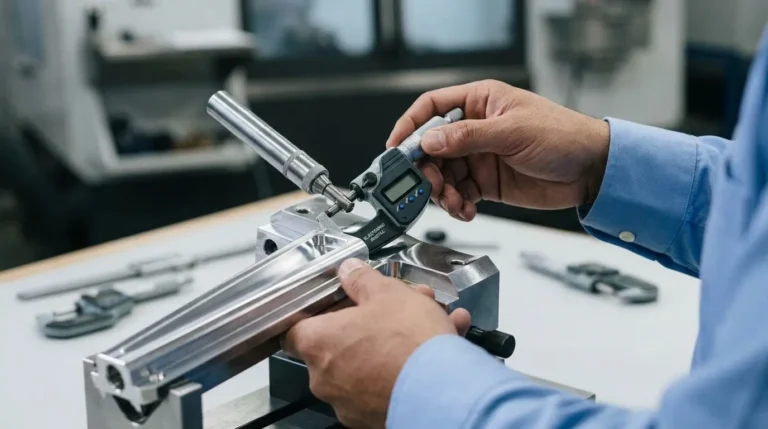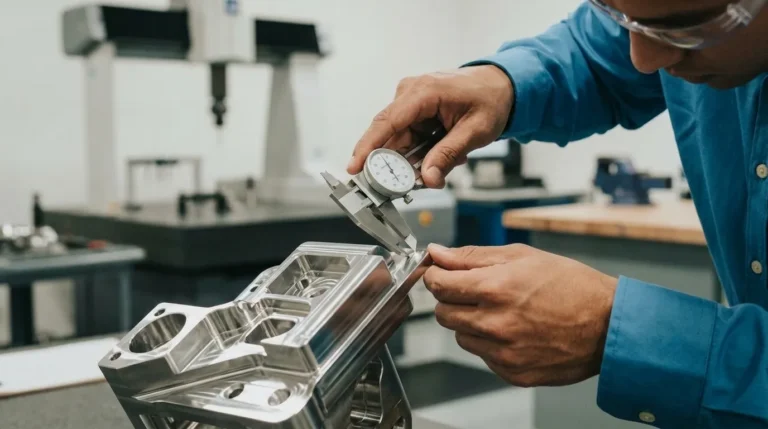
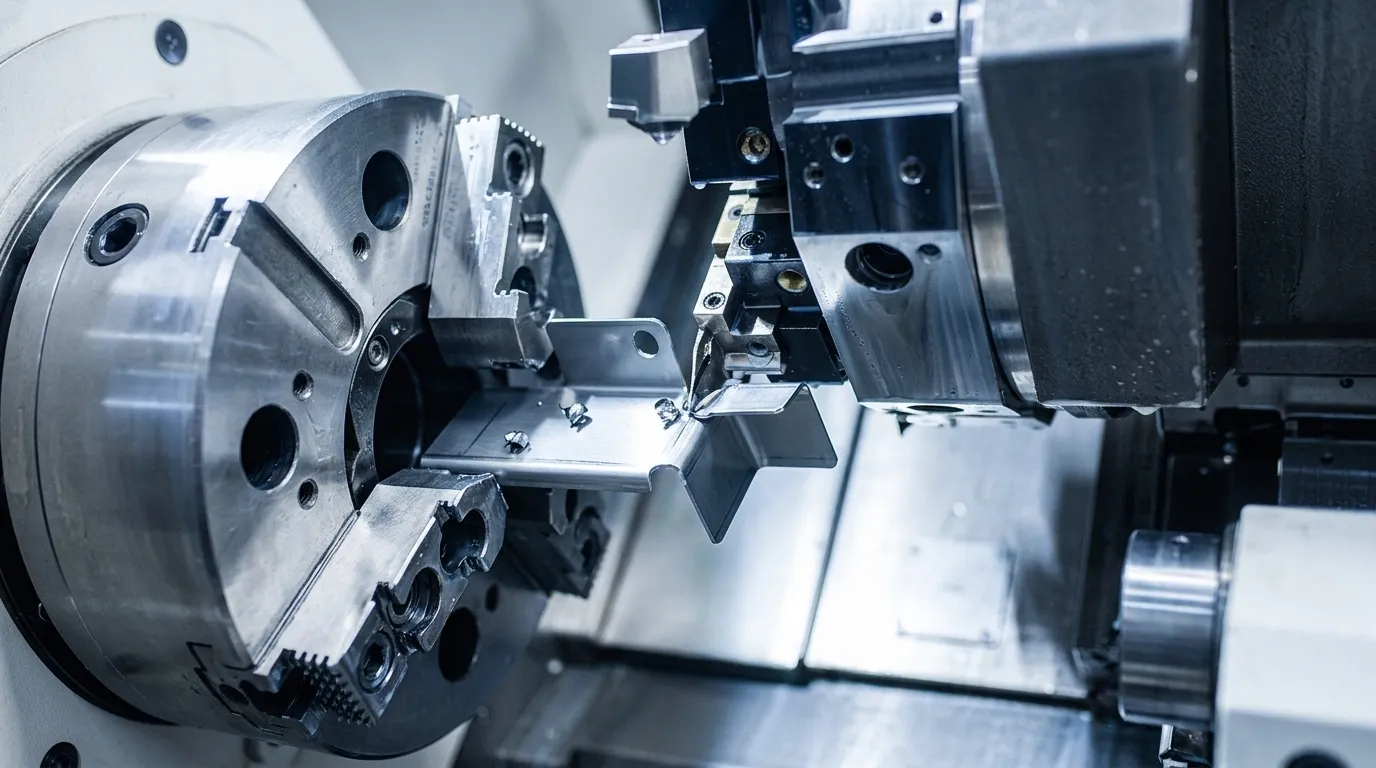
Key Takeaways
- Sheet metal fabrication means cutting, forming, and joining flat metal stock through processes such as laser cutting, computer numerical control (CNC) bending, and metal inert gas (MIG) or tungsten inert gas (TIG) welding. Gauge describes sheet thickness.
- US and Canadian buyers typically choose among four sourcing routes: Tijuana maquiladora contract manufacturers, US domestic shops, direct overseas factories, and instant-quote platforms. Each route fits different needs and volumes.
- Landed cost depends on more than distance. Freight savings from Mexico are modest, labor is a small share of part cost, and United States-Mexico-Canada Agreement (USMCA) duty relief depends on North American content rules, not just final assembly location.
- Section 232 duties on steel and aluminum follow where the metal was produced. Parts made in Tijuana from non-North American steel can still incur Section 232 tariffs, and Section 301 duties may also apply.
- Redstone Manufacturing manages sourcing, quality, freight, and customs for US and Canadian companies. You receive one landed price with US accountability and no customs exposure. Share your drawing to see a landed price.
The Four Routes For Sheet Metal Fabrication In Tijuana
US and Canadian buyers usually follow one of four routes for sheet metal parts. Each route fits a different level of volume, risk tolerance, and internal capability.
Route One: A Tijuana Maquiladora Contract Manufacturer. The maquiladora model allows a foreign-owned operation to import materials into Mexico temporarily, manufacture or process them, and re-export the finished goods, typically under the IMMEX (Industria Manufacturera, de Servicios de Exportación) program. IMMEX-based operations use automated inventory control to track temporarily imported materials from entry to export, which creates a strong compliance framework.
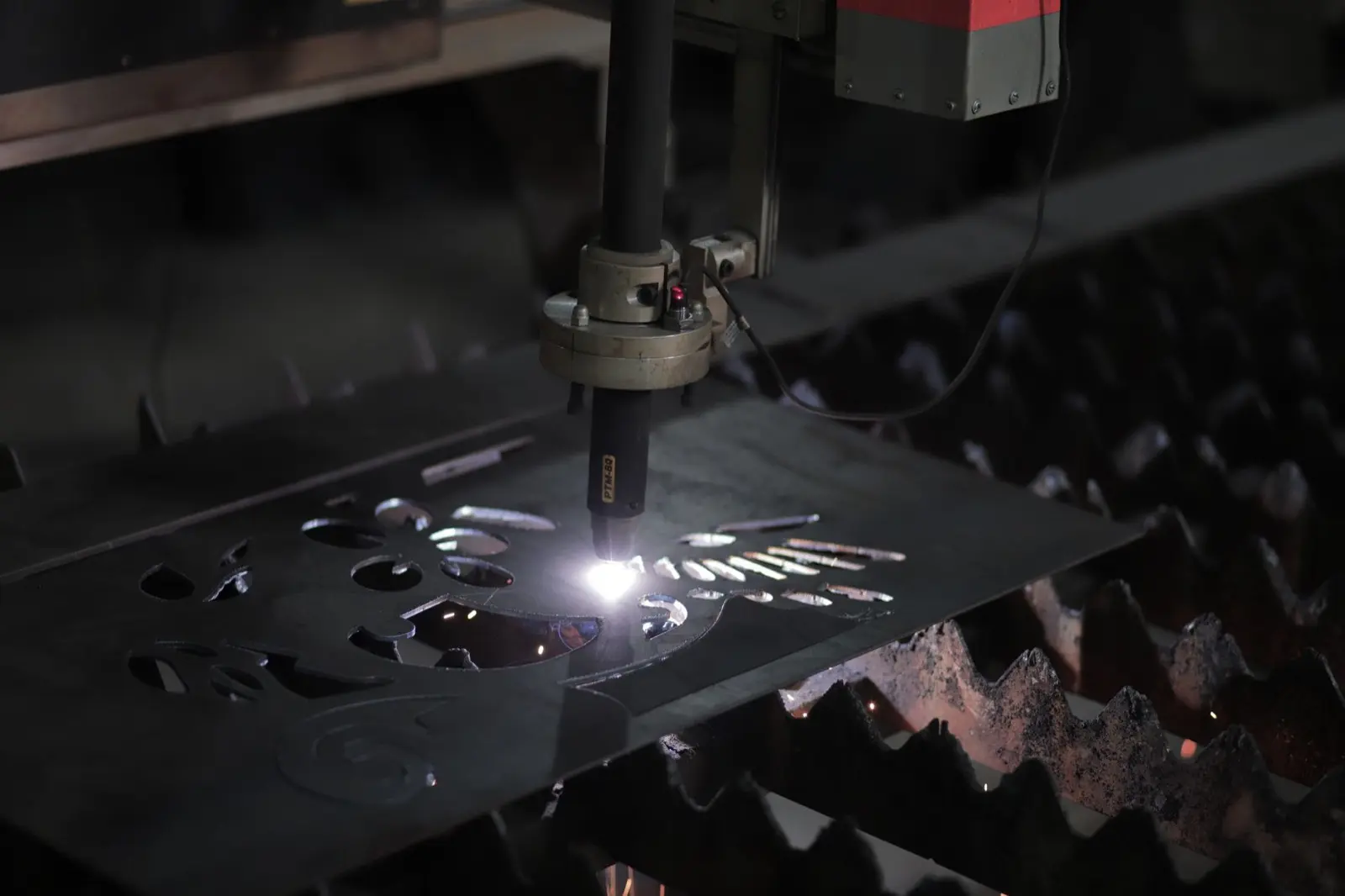
Tijuana has a mature contract manufacturing base, proximity to San Diego, and Pacific time zone alignment with US engineering teams. IMMEX fabricators in Tijuana can handle laser cutting, CNC press brake forming, MIG and TIG welding, and finishing in a single facility, and same-day floor visits from San Diego are realistic. USMCA preferential treatment becomes available when North American content thresholds are met, based on rules of origin, rather than simply because final assembly happens in North America. Tijuana is a legitimate route, but it does not fit every part or every program.
Route Two: A US Domestic Shop. A domestic shop offers familiarity and accountability. Someone answers the phone, the contract sits under US law, and customs never enters the conversation. The tradeoff is cost. Tooling for molds, dies, and fixtures can reach levels that decide whether a product launches. Part prices often show the same gap. A small run of a simple part with zero appetite for import complexity fits a domestic shop well. A project blocked by tooling cost usually needs a different route.
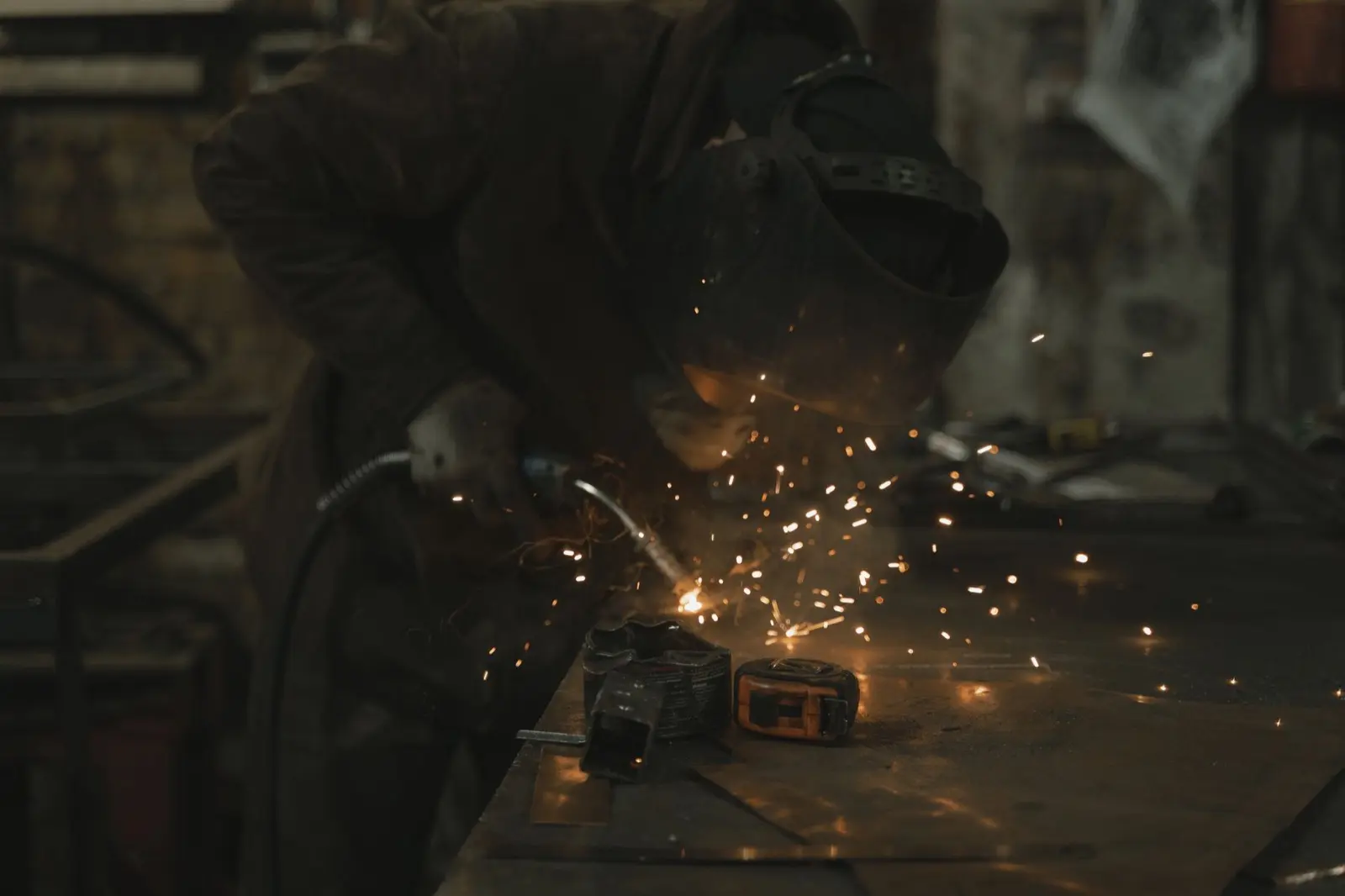
Route Three: A Direct Overseas Factory. A direct factory usually offers the lowest part price because it only sells parts. Everything around the part becomes the buyer’s job: supplier selection, quality management, design for manufacturability (DFM) review, drawing control, pre-shipment inspection, freight, customs brokerage, Harmonized Tariff Schedule (HTS) classification, and tariff exposure. Payment often happens in advance, so cash leaves before parts arrive.
Companies systematically underestimate the cost of offshoring by 20 to 30 percent once pipeline inventory, quality failures, travel, and compliance burden are properly accounted for. When something fails, practical recourse against a distant supplier is limited. A cheap tooling quote from a direct overseas factory does not create a managed tooling advantage. The saving comes from where the tool is cut, and the buyer still owns the outcome.
Route Four: An Instant-Quote Platform. Buyers upload a file, receive a price, and place an order. This model works well for no-touch prototype work when the buyer knows exactly what they want and does not need support. There is no account manager, no DFM conversation, and no engineering help when drawings are incomplete. Accountability for wrong parts is limited. Instant-quote platforms are a buying model, not a separate geography. They route work to domestic production, overseas production, or both.
These four routes align with three practical production scales. Rapid prototyping and low-volume runs often fit a domestic shop or an instant-quote platform when the buyer has complete drawings. Buyers who need engineering support often benefit from a managed overseas route. High-volume work is where Tijuana maquiladora contract manufacturing shines, because proximity, potential USMCA eligibility, and a mature fabrication base come together.
Redstone Manufacturing removes the need to manage any of these routes alone. Redstone gets custom metal and plastic parts made for US and Canadian companies whose core business is not manufacturing and who lack in-house sourcing or quality teams. Redstone runs the request for quote (RFQ), selects the production route, closes engineering gaps with DFM review and drawing work, inspects every shipment in person at origin, and acts as importer of record on modified Delivered Duty Paid (DDP) terms.
You receive one landed price and never touch a customs form. Repair, replacement, or refund responsibility sits with a US company under a US contract. When tariffs or conditions change, Redstone can move a program between facilities in China, India, Taiwan, Vietnam, and Mexico without forcing you to find a new supplier. Sheet metal parts, sheet metal assemblies, enclosures, and machine chassis are where Redstone’s win rate is strongest.
Share your sheet metal drawing for a route and cost review.
What Actually Drives Landed Cost For Sheet Metal Fabrication In Tijuana
Landed cost for Tijuana production depends on freight, labor share, material origin, and trade rules, not just distance on a map.
Proximity reduces transit time and some freight cost. Truck transit from Mexico to the US takes one to four days, compared with three to five weeks by ocean freight from China, and shipping cost for a 40-foot equivalent container runs roughly $350 to $2,800 by truck from Mexico versus $7,000 to $8,400 by ocean from China. That difference is real. Ocean freight, however, remains inexpensive relative to the value of most industrial parts, so the freight saving usually represents a smaller share of landed cost than buyers expect.
Labor rates in Mexico are lower than in the US, and labor represents only a small portion of total cost for fabricated parts. Labor accounts for only 10 to 20 percent of total part cost for custom machined or molded parts. Hourly labor savings alone should not drive a precision-parts sourcing decision. Facility efficiency and scrap rates often matter just as much.
Material availability and subsidy structures also shape cost. Mexico does not produce primary aluminum domestically and relies entirely on imports for its primary aluminum supply. Every kilogram of aluminum entering a Mexican fabrication operation was smelted elsewhere, and that origin affects tariff treatment.
USMCA duty treatment depends on North American content thresholds and rules of origin. Under USMCA, products qualify for duty-free treatment if they are wholly obtained in North America, meet a tariff-shift rule, or satisfy a regional value content (RVC) requirement tied to their HTS code. A mostly Chinese product finished in Mexico does not automatically qualify. The fabrication step in Mexico must satisfy the product-specific rule of origin for the part’s exact HTS classification.
As explained in the trade mechanics section below, Section 232 duties on steel and aluminum follow where the metal was produced. A part fabricated in Tijuana from Chinese steel can still carry a Section 232 duty when it enters the US.
The key question before committing to Tijuana is whether the part must be made in Mexico or whether Mexico is simply one option. When the real goal is cost reduction, a different route can sometimes deliver a better landed cost. Redstone evaluates that question for every program and recommends the route that delivers the strongest landed cost under current conditions.
Trade Mechanics That Decide The Real Price Of Sheet Metal Fabrication In Tijuana
This section reflects tariff and trade conditions as of September 2026. Always confirm current rules before finalizing sourcing decisions.
The most consequential rule for metal parts is that duty on steel and aluminum follows where the metal was produced, not where the part was made. Section 232 duties apply to covered steel and aluminum content even when parts are manufactured in Mexico, so a Mexican fabrication step does not by itself eliminate the duty. Buyers can also structure programs around US-origin material, ship that material to Mexico for fabrication, and then bring the finished part back. When the metal is US-origin, the Section 232 exposure follows that origin.
Section 232 and Section 301 operate under different laws and respond to different triggers. Section 232 of the Trade Expansion Act of 1962 covers imports deemed a national security risk, while Section 301 of the Trade Act of 1974 covers trade practices deemed unfair. Section 301 targets countries and applies based on where the part was made. Section 232 targets materials, primarily steel and aluminum, and derivative product lists bring ordinary custom parts into scope.
Section 232 applies a 50 percent duty on raw and semi-finished steel, aluminum, and copper, and 25 percent on derivative articles.1 The derivative list keeps expanding. In August 2025, 407 HTS codes were added, and coverage expanded again in April 2026. A steel bracket made in China can incur a Section 232 duty because it is steel and a Section 301 duty because it is Chinese, both on top of the ordinary duty rate for its HTS code.
As of July 24, 2026, a 10 percent additional Section 301 forced-labor duty on Mexican-origin goods is in force, but goods that meet USMCA rules of origin and are entered claiming preferential tariff treatment under USMCA are exempt.1 The part must qualify under USMCA rules and the importer must claim the preference at entry. Parts that qualify on paper but enter without a USMCA claim remain subject to the duty.
The basis for Section 232 calculation shifted from metal content to full product value. Buyers who modeled tariff exposure under the old basis have seen mid-program cost increases because of this change.
Three trade terms appear in almost every conversation about importing sheet metal parts.
Importer of record is the party legally responsible for the customs entry. That party classifies the goods, files the paperwork, and pays duties and tariffs. Under US law, only three parties can legally serve as importer of record: the owner of the goods, the purchaser, or a licensed customs broker appointed by either of those parties via power of attorney. Buyers usually hold that role. Redstone takes it on for its customers.
HTS classification is the process of assigning the Harmonized Tariff Schedule code that sets the duty rate. The Customs Modernization Act imposes a non-delegable duty of reasonable care on importers, meaning the importer of record bears legal responsibility for correct tariff classification regardless of whether a licensed customs broker files the entry. Telling US Customs and Border Protection (CBP) that the broker picked the code does not remove that responsibility.
Modified DDP refers to Delivered Duty Paid terms where the seller moves the goods all the way to the buyer’s door with duties paid, while quoting freight separately. Freight is prepaid and added to the invoice instead of being buried in the part price. The customer sees one landed price and never handles a customs question.
How To Choose A Sheet Metal Fabricator In Tijuana
Supplier selection in Tijuana comes down to who owns risk, customs, and quality. These questions help you see that clearly.
- Who Is Importer Of Record? If the answer is “you,” then customs, classification, duty payment, and five-year recordkeeping sit on your side of the table. Understand that responsibility before you sign.
- Who Handles HTS Classification? Classification sets your duty rate and your exposure to Section 232 and Section 301 stacking. A wrong code remains your legal problem unless the supplier has taken importer of record responsibility in writing.
- Who Inspects At Origin, And When? Inspection after shipment leaves the facility comes too late. Ask whether the supplier or a third party inspects before loading, and request documentation of the inspection process.
- What Are The Payment Terms? A supplier that demands full prepayment before sample approval shifts nearly all financial risk to you. Clarify what you owe and when before issuing a purchase order.
- What Recourse Exists If Parts Are Wrong? Pursuing a supplier in another country is difficult. Ask whether the contract is governed by US law and what remedy applies if a production lot fails inspection after delivery.
- Can The Supplier Work Without Complete Drawings? Many suppliers will not quote without full drawings. If your drawings are incomplete or missing, confirm early whether the supplier can work from samples or scans.
- Will The Supplier Say When Tijuana Is The Wrong Route? A supplier that says yes to every project does not provide judgment. The right partner will tell you when a different geography or model fits your part better.
Want a Tijuana-versus-overseas comparison for your part? Send the print.
Common Mistakes And Misunderstandings
Buyers comparing Tijuana against US shops, direct overseas factories, or instant-quote platforms often repeat the same errors.
Assuming Proximity Automatically Delivers Savings. Tijuana sits close to San Diego, and truck transit is fast. Freight, however, usually represents a small share of total landed cost for industrial parts. Proximity does not change material cost, tooling cost, or tariff exposure. Buyers who choose Tijuana mainly because it is nearby often see smaller savings than expected once they model full landed cost.
Assuming USMCA Automatically Applies To Anything Finished In Mexico. USMCA preferential treatment requires that the finished good satisfy the product-specific rule of origin for its exact HTS code. That rule may involve a tariff-shift test, a regional value content threshold, or both. Finishing a part in Mexico from non-North American inputs does not guarantee qualification. Content must meet the threshold, and the importer must claim the preference at entry.
Assuming The Part Price Equals The Landed Price. Landed cost is the total cost of an imported product delivered to its final destination, comprising the purchase price, international freight, insurance, customs duties, taxes, brokerage fees, and inland transportation. A part price quote from a Tijuana supplier usually excludes those items unless the supplier explicitly takes them on. Compare landed cost to landed cost, not part price to part price.
Assuming Cheap Tooling Equals A Managed Tooling Advantage. A direct overseas factory can quote low tooling because the tool is cut where tooling is inexpensive. That difference is real. The saving comes from where the tool is cut. Managing the program, handling quality, arranging inspection, booking freight, and dealing with customs remain separate costs that the tooling quote does not cover.
Assuming A Faster Ordering Interface Solves Inexperience. Instant-quote platforms serve buyers who know exactly what they want and need no support. A buyer who has never imported, has incomplete drawings, and cannot model tariff exposure needs a partner to take on the work, not a faster way to place an order.
FAQ
What Is The Difference Between Metal Fabrication And Sheet Metal Fabrication?
Metal fabrication is a broad term for processes that shape metal into finished parts. Common fabrication processes include cutting, bending, forming, assembling, and welding. Other metalworking processes such as machining, casting, forging, and stamping are often classified separately from fabrication even when they produce similar parts.
Sheet metal fabrication is a subset that works specifically with flat metal stock. Parts are typically cut, bent, and joined rather than machined from solid billet or poured into a mold. The distinction matters for quoting because processes, equipment, and cost structures differ. A part that appears suitable for sheet metal may actually require machining for tight tolerances or casting for complex geometry. Sending a drawing to an engineer who works across both processes is the fastest way to confirm which route fits your part.
What Does Sheet Metal Fabrication Cost In Tijuana, And Why Is The Part Price Different From The Landed Price?
Part price from a Tijuana fabricator reflects labor, material, and overhead at that facility. It usually excludes freight to the US border and beyond, customs brokerage, HTS classification work, duties and tariffs, cargo insurance, and the cost of your time managing the relationship. Each of those items adds to the real cost of the part at your dock.
For steel and aluminum parts, Section 232 duties can apply based on where the metal was produced, regardless of fabrication location. A part price quote and a landed cost are two different numbers. The gap between them often surprises buyers. Redstone quotes one landed price that includes duties at rates in effect as of the quote date, with freight quoted separately and added to the invoice.
How Do Tariffs And USMCA Affect Parts Made In Tijuana?
USMCA preferential treatment, which can reduce duty to zero on qualifying goods, depends on the part satisfying the product-specific rule of origin for its HTS classification. That rule usually involves a tariff-shift test, a regional value content threshold, or both. Meeting the threshold alone is not enough. The importer must also claim the preference at the time of entry into the US. Parts that qualify but enter without a USMCA claim remain subject to applicable duties.
Section 232 duties on steel and aluminum follow where the metal was produced, not where the part was made. A part fabricated in Tijuana from non-North American steel can still owe Section 232 duty when it enters the US. As of July 2026, a 10 percent Section 301 forced-labor duty also applies to non-USMCA-qualifying Mexican goods.1 Section 232 and Section 301 operate under different statutes and can stack. The tariff picture for a given part depends on its HTS code, the origin of its metal inputs, and whether it qualifies for and claims USMCA preference.
How Do I Choose Between A Tijuana Supplier, A US Shop, And An Overseas Factory?
The right route depends on which responsibilities you want the supplier to own. A US shop owns quality, accountability, and the contract, at a higher cost and often higher tooling spend. A Tijuana maquiladora can offer potential USMCA-eligible production, proximity, and a strong fabrication base, while customs, classification, and quality management usually remain your responsibility unless the arrangement says otherwise. A direct overseas factory offers the lowest part price, while supplier selection, quality management, inspection, freight, customs, and recourse all shift to you, often with advance payment.
Redstone serves buyers who want overseas cost structures with US accountability. You receive one landed price, one US point of contact, and no customs exposure.
Who Is Responsible For Customs When Parts Are Made In Tijuana?
The importer of record is legally responsible for the customs entry. That role covers classifying the goods, filing paperwork, and paying duties and tariffs. In most direct supplier arrangements, the buyer serves as importer of record. The buyer is also responsible for maintaining entry records for five years and for the accuracy of HTS classification, even when a customs broker files the entry.
Redstone acts as importer of record on modified DDP terms. Redstone takes on that legal responsibility. Customers receive finished parts at their dock and never file a customs document or speak to a customs broker.
How Is Quality Verified Before Shipment?
In a direct supplier arrangement, quality verification before shipment usually falls on the buyer unless the supplier has a documented inspection process and the buyer can confirm that process. Quality drift, where parts pass at sample stage and degrade over later lots, is a major risk in unmonitored overseas work.
Redstone staff inspect every shipment in person at origin before it leaves. No shipment departs without that inspection. Mill test certificates, which document the chemical and mechanical properties of the supplied metal, are collected and retained. Restriction of Hazardous Substances (RoHS) and Registration, Evaluation, Authorisation and Restriction of Chemicals (REACH) declarations are issued on request. The first-time parts process includes samples produced and approved before the production lot starts, creating a physical reference for acceptable quality.
Ready to see your landed cost from Tijuana versus other routes? Send your drawing.
1 Tariff rates change often. Always check the US Customs and Border protection website for the latest information.