
Supply Chain
Sourcing across the U.S., Mexico, and Shenzhen, and how to read a quote on landed cost.
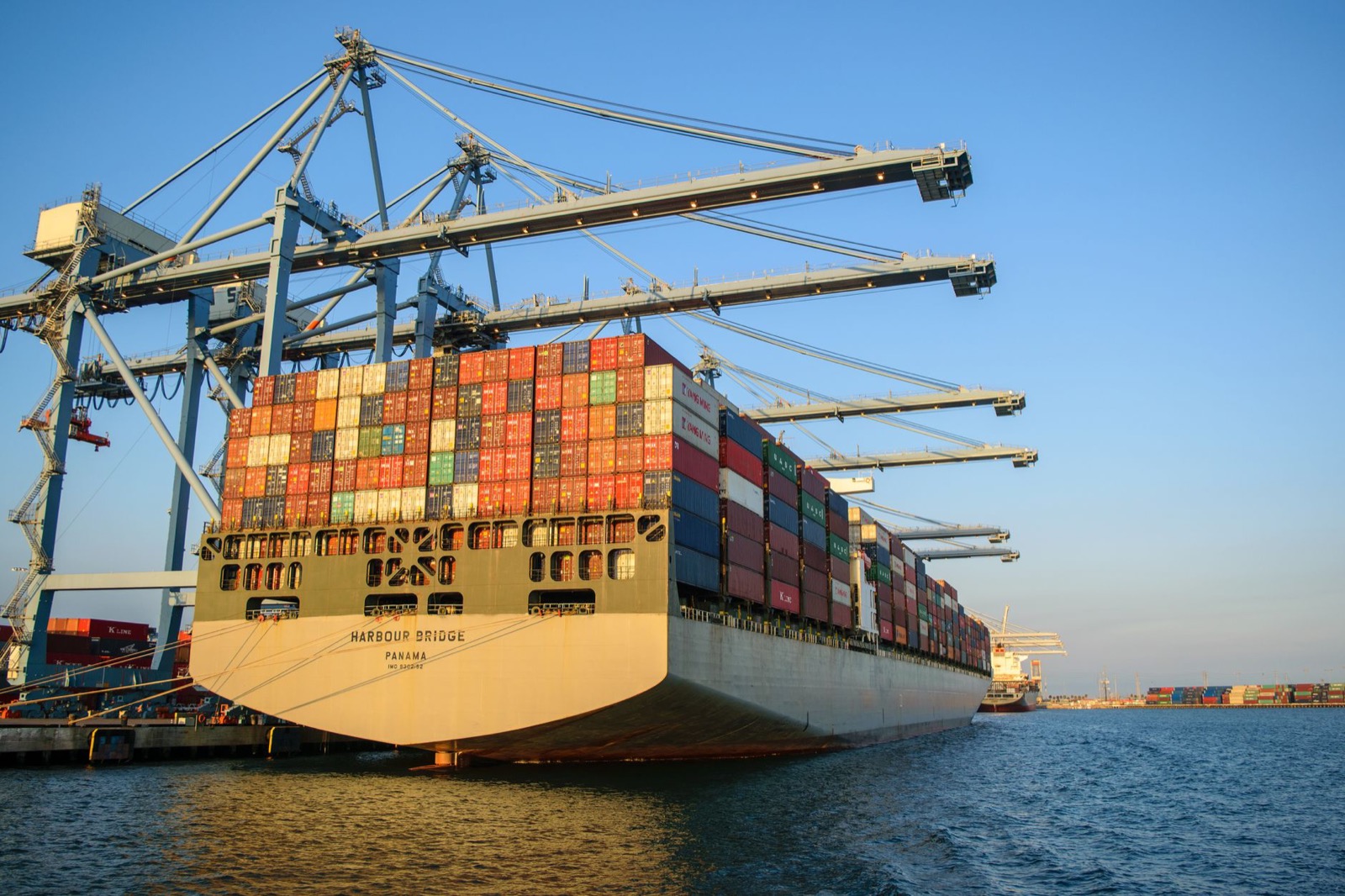
Outsourcing Manufacturing: Pros and Cons
Weighing the benefits and drawbacks of outsourcing manufacturing to countries like Mexico, China, and India. Learn how to evaluate partners and protect your supply chain.
Mitigating Metal Tariff Costs: Strategies for Manufacturers (Post-2025 Changes)
The 2025 Section 232 changes ended new product exclusions and country exemptions. A look at the narrow, compliant avenues that remain for reducing steel and aluminum tariff costs on derivative products.
The China Tariff Puzzle: How Section 232 Impacts Your Metal Sourcing Costs from China
Chinese steel and aluminum imports face layered duties — but Section 232 can actually cap exposure by exempting those goods from the harsher IEEPA reciprocal tariffs. How the interaction works.
How Many Jobs Are Available in Metal Fabrication?
Metal fabrication employment is shifting toward specialization. While generic fabricator roles are declining, demand for welders, CNC machinists, and ironworkers continues to grow.
How to Find a Manufacturer in Mexico
Mexico offers lower labor costs, a skilled workforce, and proximity to U.S. markets. Here is how to identify reliable manufacturers and build lasting supplier relationships.
Trump’s China Tariffs Explained
The 25% tariffs on Chinese imports took effect July 6, 2018, covering about 10% of imports — 818 mostly industrial items. What’s included, what’s not, and the background.
Trump’s China Tariffs Actually Help China?
Trump’s 2018 steel and aluminum tariffs apply to raw material, not processed parts — which can incentivize processing metal in overseas factories before it enters the U.S.