
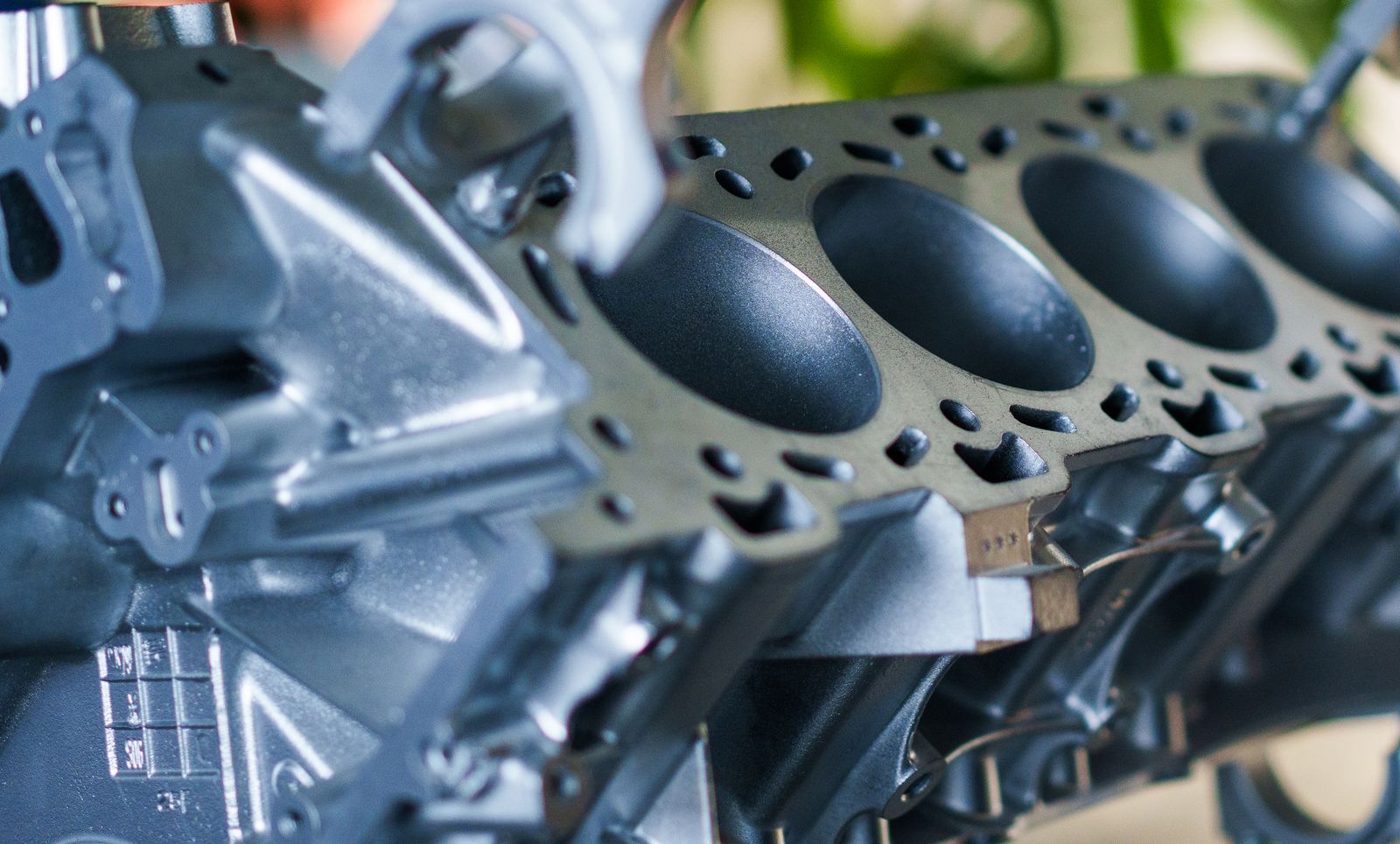
Three primary metal casting methods exist: die casting, sand casting, and investment casting. Each has distinct strengths that affect overall production costs beyond material expenses. Selecting the right method for your application can have a greater impact on total cost than the difference in material price between aluminum and bronze.
How Casting Costs Are Calculated
Key cost components include:
- Material: Aluminum accounts for 40-60% of total casting costs, while iron might contribute only 10-25%.
- Melting: Higher melting point metals require more energy and incur greater costs.
- Mold Creation: Expendable molds account for 5%-15% of costs; permanent molds offer savings for longer runs.
- Pouring: Melting and pouring together comprise 15%-20% of overall cost.
- Core-making: Complex parts with sophisticated molds increase expenses.
- Finishing: Non-ferrous metals require simpler finishing equipment than ferrous metals.
- Inspection: Rigorous testing costs more than visual inspection.
- Heat Treatment: Additional strength requirements add cost.
Die Casting Aluminum vs. Bronze
Die casting creates parts and components from non-ferrous metals with dimensional accuracy and excellent surface finishes. However, bronze alloys have higher melting points that shorten die mold lifespan compared to aluminum. Aluminum's excellent strength-to-weight ratio, good corrosion resistance, and high electrical and thermal conductivity make it one of the most popular die casting materials.
Die-cast tool costs range from $7,500 to as high as $75,000. Cost savings come from longer production runs, near-net-shape parts, and integrated inserts that reduce secondary processing.
Sand Casting Aluminum vs. Bronze
Sand casting accounts for over 60% of all castings and suits prototyping and producing runs of 1 to 5,000 parts per year. Pattern costs range from $500 to $7,500 depending on complexity. A key drawback is that sand cast parts have lower dimensional accuracy and lower tolerances, often requiring additional machining.
Investment Casting Aluminum vs. Bronze
Investment casting creates complex parts with excellent finishes from a ceramic mold tree, eliminating most finishing needs. Average surface finish is 125 Ra with tight tolerances. This method suits both aluminum and bronze but is typically chosen when surface quality and geometric complexity outweigh cycle-time considerations.
Material Comparisons
Is Cast Aluminum Rustproof?
Yes. Aluminum is non-ferrous and contains no iron, so it will not rust.
Is Aluminum Stronger than Bronze?
Aluminum weighs around one third the weight of bronze and is less than half the cost per pound. However, cast aluminum is softer and more brittle than bronze, making thin sections vulnerable under severe stress. Bronze typically comprises 80%-90% copper, with the remainder being tin, zinc, lead, and iron.
What is Aluminum-Bronze Alloy?
Aluminum bronzes offer high strength and corrosion resistance compared to other bronze alloys, with low oxidation rates and biostatic properties that prevent marine organism colonization. Applications include bearings and landing gear components on aircraft as well as marine equipment.
| Factor | Aluminum | Bronze |
|---|---|---|
| Relative cost per pound | Lower | 5x to 10x higher |
| Weight | Baseline | ~3x heavier than aluminum |
| Corrosion resistance | Good (non-ferrous, no rust) | Excellent, especially in marine environments |
| Hardness | Softer, more brittle in thin sections | Harder, better under severe stress |
| Melting point | Lower; extends die life | Higher; shortens die life |
| Die casting compatibility | Excellent | Compatible but higher die wear |
| Common uses | Structural parts, housings, automotive | Bearings, marine equipment, landing gear |