
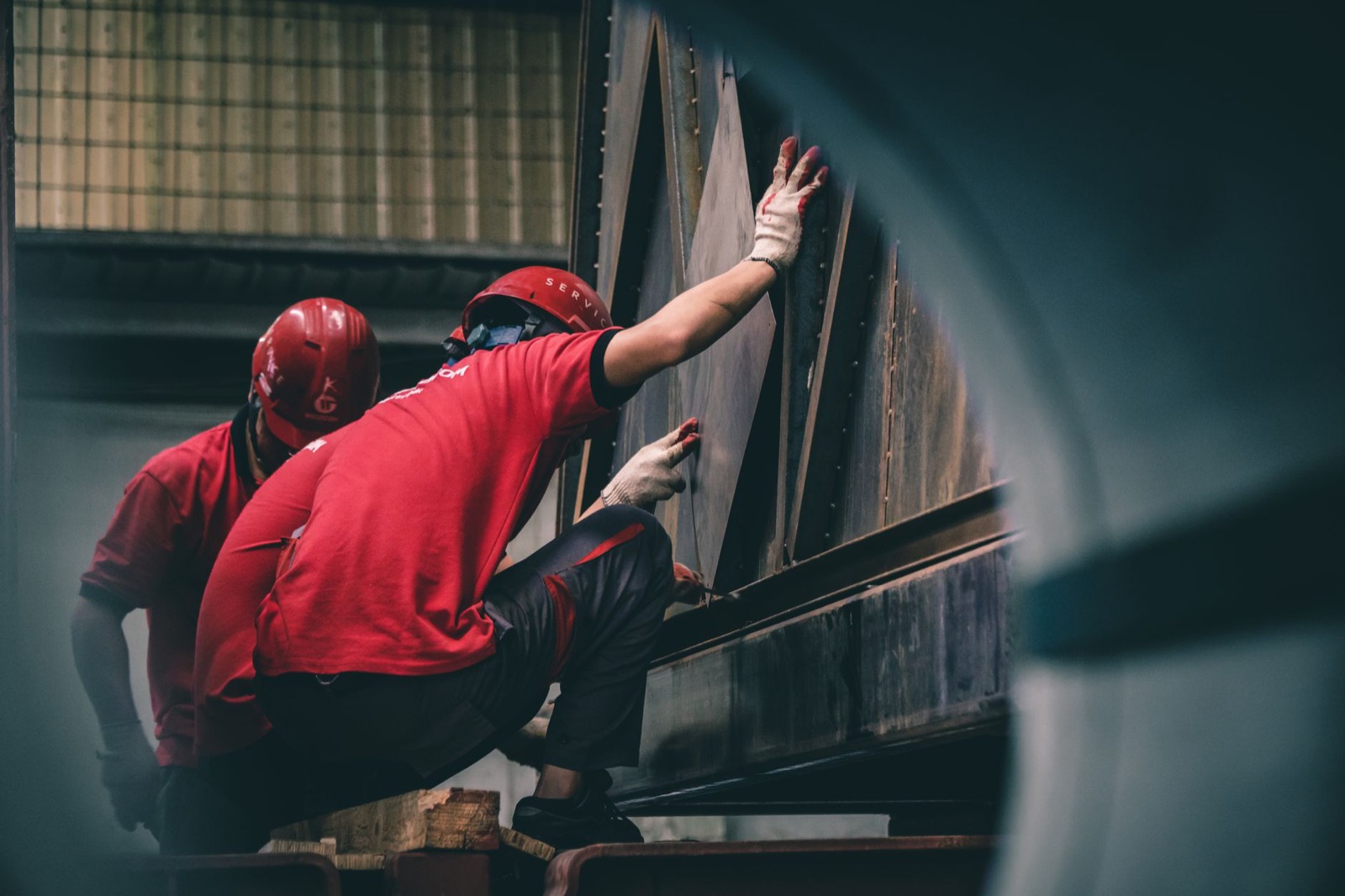
Understanding the Metal Fabrication Industry
The metal fabrication sector encompasses various job roles including metal fabricators, welders, and machinists who create products from metal sheets, rods, and tubes. Key challenges include maintaining precision in cutting and assembly, along with the physically demanding nature of the work.
Emerging technologies like laser cutting and 3D printing are reshaping the industry, though adoption requires significant worker training. Essential skills include attention to detail, hand-eye coordination, and technical knowledge. Training programs emphasize safety protocols, critical given the heavy machinery and sharp tools involved.
Diverse Roles Within Metal Fabrication
The industry offers varied positions including welders, fabricators, and CNC machinists, each requiring unique skill sets. Training and apprenticeship opportunities remain essential for career development. Workers report high job satisfaction due to the hands-on nature and visible results. However, continuous learning and skill updates are necessary as technology progresses.
Job Opportunities and Growth in Metal Fabrication
Current trends show increasing demand for skilled labor, particularly in specialized roles like ironworking and pipe fitting. Employment statistics indicate a decrease in generic metal fabricator positions by 11% through 2030, yet this is offset by rapid growth in specialized roles, underscoring the industry's shift toward specialization and diverse career prospects.
Advantages of Pursuing a Career in Metal Fabrication
- High job satisfaction from creating useful products and seeing direct work impact
- Skill development through mastery of various fabrication techniques
- Job security from constant demand for metal products
The industry's commitment to skill development increases advancement opportunities and job stability.
Income Potential in Fabrication Jobs
| Job Position | Average Salary |
|---|---|
| Entry-level | $36,000 |
| Experienced | Over $60,000 |
Certified welders and CNC machinists typically earn more than non-certified counterparts. The industry's future prospects remain promising, with stable demand for skilled workers despite automation.
Conclusion
The metal fabrication industry presents a dynamic employment landscape with diverse roles and substantial opportunities. While generic positions are contracting, specialized roles show robust growth. The sector provides tangible product creation, job satisfaction, and income potential that increases significantly with certification and experience.