
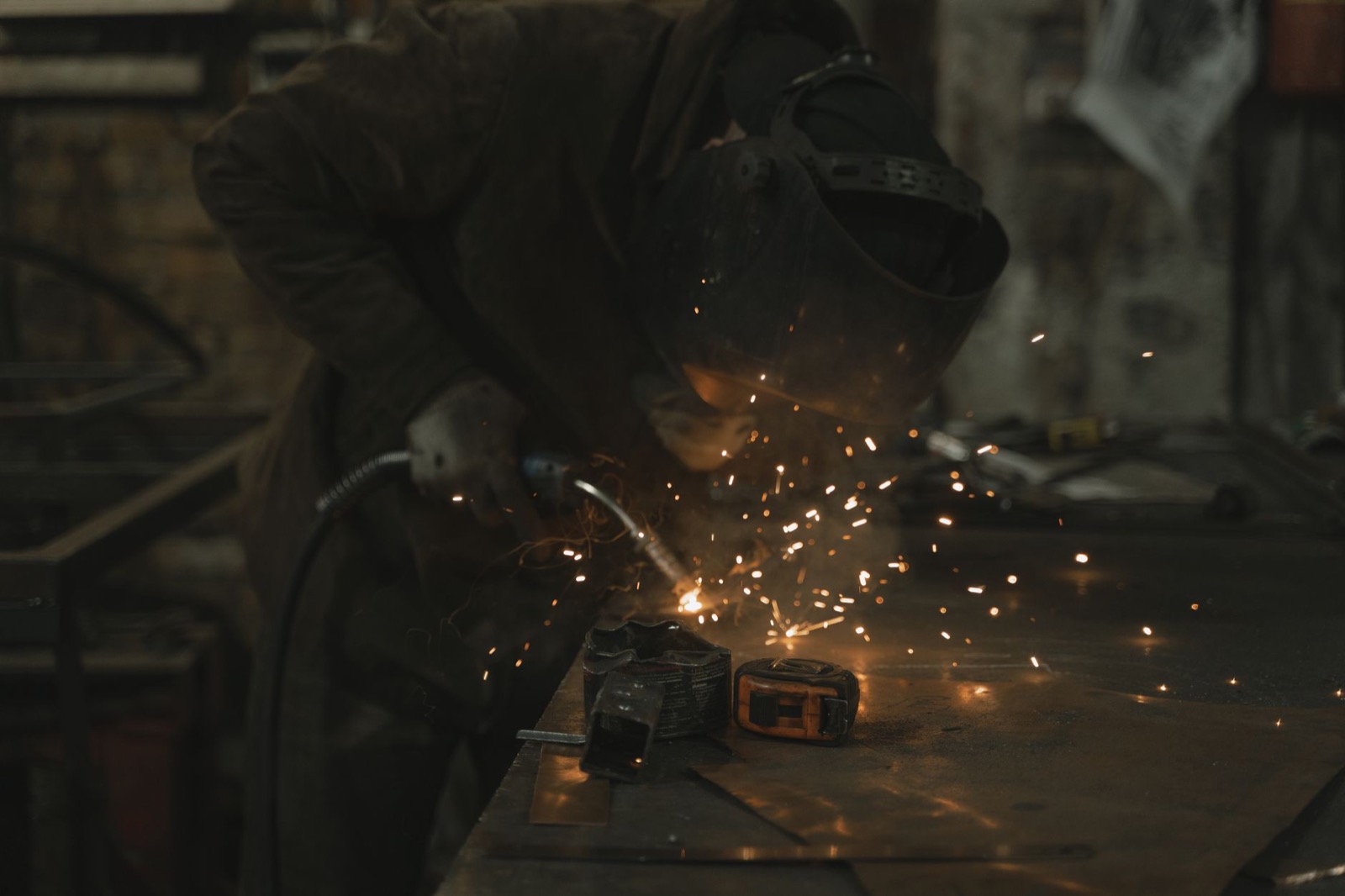
Welding Challenges Specific to 6061-T6 Aluminum
Welding 6061-T6 aluminum presents unique challenges, but with the right knowledge and techniques these can be effectively addressed. The main concern with this alloy is preventing hot cracking, a common issue during the welding process due to the alloy's unique chemical composition.
| Techniques | Filler Metal Selection | Preheating Considerations | Post Weld Heat Treatment |
|---|---|---|---|
| Prevent hot cracking | 4043 or 5356 | 150-200 C | 415 C, 2 hours |
Choosing the Right Filler Metals for 6061-T6 Welding
Selecting a suitable filler metal for 6061-T6 welding requires careful consideration of two primary options, 4043 and 5356, each offering distinct advantages and varying degrees of crack resistance.
- 4043 (silicon-based): Excellent fluidity reducing hot cracking likelihood; produces smoother finishes; lower shear strength; avoid for high-temperature service
- 5356 (magnesium-based): Superior crack resistance due to higher strength; preferred for marine environments due to corrosion resistance; provides higher shear strength for structural welds
Selecting the Appropriate Shielding Gas for Aluminum Welding
Shielding gases such as argon and helium are primarily used in welding techniques that involve 6061 aluminum due to their inert properties. Argon provides better arc stability and cleaning action, while helium results in deeper penetration and faster welding speeds. Gas purity is critical: argon must be at least 99.998% pure and helium at least 99.995% pure.
Environmental Considerations in 6061 Aluminum Welding
- Gas blend selection should account for the effect of different blends on weld quality and environmental impact
- Filler metal selection should consider compatibility with 6061 aluminum and ecological footprint
- Weld quality is greatly influenced by microstructure effects in the heat-affected zone
- Specialized casting methods such as centrifugal casting can address low silicon content issues in certain applications
The weldability of 6061 aluminum, particularly the 6061-T6 temper, lies in understanding its composition, recognizing inherent welding challenges, and employing appropriate strategies including careful filler metal and shielding gas selection and environmental consideration.