




Drawing / DFM Quote / RFQ Tooling / Die Casting / Pour CNC Machining Finishing Inspection / Caliper NDT / X-ray Shipping Customs / Import Lead Time One U.S. Contact Quality Assured ISO 9001 Certified Certificate of Conformance Audit Ready Hardness / NDT Quality Cost / Landed Fit U.S. Managed Die Casting Sand Casting CNC Machining Sheet Metal Metal Injection Molding Investment Casting Automotive Medical Defense Heavy Machinery Industrial Equipment Oil & Gas Construction Agriculture Energy Aerospace Alloy / Metal

Low-Pressure Zinc Die Casting

Low-pressure zinc die castings for thin-wall and net-shape components where controlled fill is required for fine surface definition and dimensional consistency. ISO 9001 and IATF 16949 certified foundries. DFM review, program management, and quality documentation run from the U.S. team.

Trusted by Programs across Tier 1 suppliers, Fortune 500 OEMs & hardware startups
  • Honda
  • Libman
  • Mahindra
  • Meyer
  • MIT
  • Amazon
  • Bloom Energy
  • Circor
  • Halliburton
  • Honda
Low-Pressure Zinc Die Casting capabilities

Technical Capabilities

Review core low-pressure zinc die casting capabilities, materials, tolerances, inspection methods, and production requirements before requesting a quote.

Production envelope · Verified
Fine surface and thin-wall zinc
01
Controlled fill
Consistent wall section
02
Bottom-up fill
Low casting temperature
03
Long die life
Materials
Zamak and related zinc alloys; specific alloy confirmed at the feasibility review
Process
Low-pressure zinc die casting
Request a Quote

See Our Process Or same-day technical feasibility review

Production specifications

Fill method
Controlled gas pressure, bottom-up fill for consistent surface and wall section
Die life
Extended die life from zinc's low casting temperature versus aluminum tooling
Tolerances
Confirmed against your drawing at the feasibility review
Finishing
Electroplating, powder coating, chromate conversion, bead blasting, painting
Inspection
Dimensional inspection to ISO 9001
Certifications
ISO 9001 and IATF 16949
Standard lead time
4-8 weeks

Production Process

01 DFM Review
02 Tooling
03 Trial Shots
04 Production
Next step

Ready for technical review?

Share your part details, drawings, or CAD files. Redstone will review the requirements and confirm feasibility, tolerances, materials, lead time, and next steps.

  • Feasibility review based on your drawing or CAD file
  • Material, tolerance, and production requirements confirmed
  • Quote reviewed within 24 hours
Get started Request a Quote or Talk to an Engineer

Final specifications are confirmed during the technical feasibility review.

Why Redstone

Quality, cost, and a clear fit

Redstone helps hardware teams move from released drawings to repeat production with documented quality, competitive unit costs, and engineering support from the U.S.

  • ISO 9001 certified facilities
  • U.S.-based engineering support
  • Direct manufacturing partner
Quality

Fine surface. Tight dimensions. Documented to ISO 9001.

Zinc's low melting point and excellent flow characteristics make it well suited to thin-wall, high-detail casting. Low-pressure fill applies controlled pressure through a riser tube to minimize oxide formation and produce surfaces and wall sections that hold dimensional consistency across a production run. Every program runs to ISO 9001 with dimensional inspection and a Certificate of Conformance on every shipment.

  • ISO 9001 and IATF 16949 certified foundries
  • Controlled fill for consistent surface and thin-wall definition
  • Dimensional inspection on every production program
  • Certificate of Conformance with every shipment
Cost

Long tool life. Economical at volume. Quoted landed.

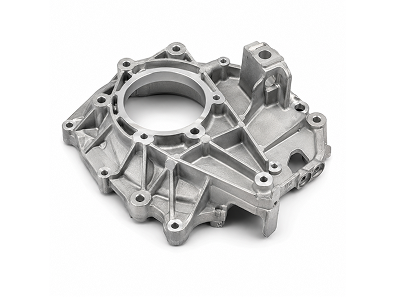
Zinc's low casting temperature is easy on tooling, extending die life compared to aluminum at similar volumes. That translates to lower amortized tooling cost per part on recurring production programs. We quote on landed cost, with tooling, freight, and duties in the number before you see it.

  • Long die life from zinc's low casting temperature
  • Lower amortized tooling cost versus aluminum at similar volumes
  • Tooling, freight, and duties quoted up front
  • Around 20% average savings versus domestic-only sourcing at comparable volume
Fit

Is this a fit?

Low-pressure zinc die casting fits net-shape and thin-wall programs where fine surface detail, tight dimensional control, and long die life matter more than raw cycle speed. If you are running zinc components that require controlled fill to achieve the surface or wall consistency that standard hot-chamber casting has not delivered, this is the lane.

  • Hardware OEMs and consumer product programs
  • Zinc components requiring fine surface detail and net-shape geometry
  • Programs where hot-chamber casting has not met surface or wall consistency
  • Recurring production programs on Zamak and related zinc alloys
Parts built for production

What we produce

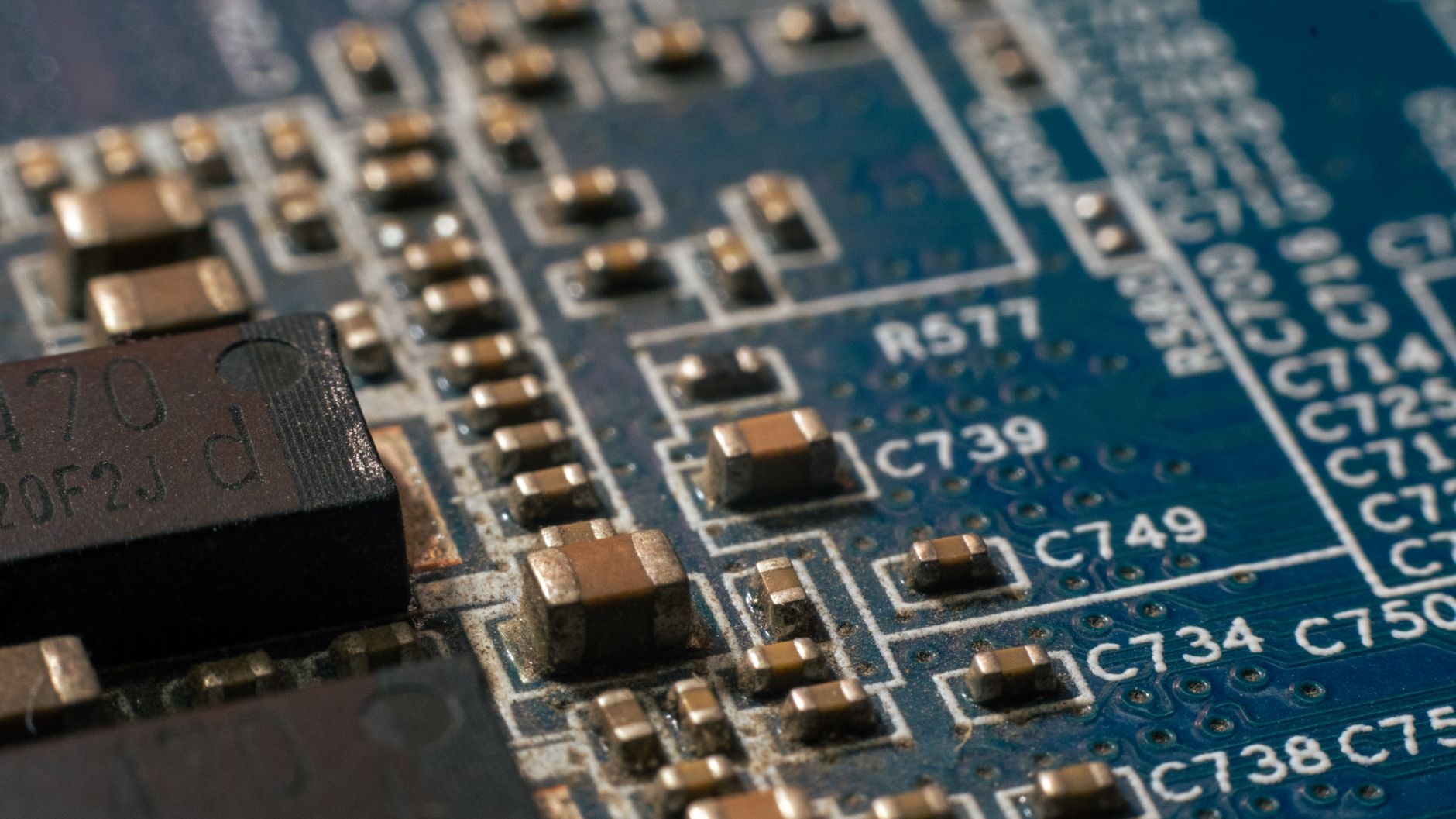
Redstone supports production metal parts across automotive, electronics, industrial equipment, and consumer hardware programs.

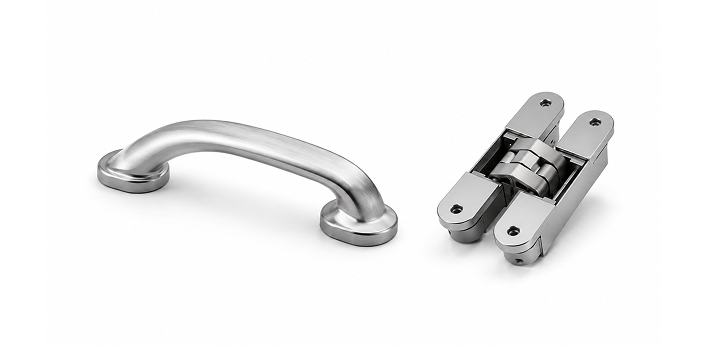
Consumer hardware components

Consumer hardware components

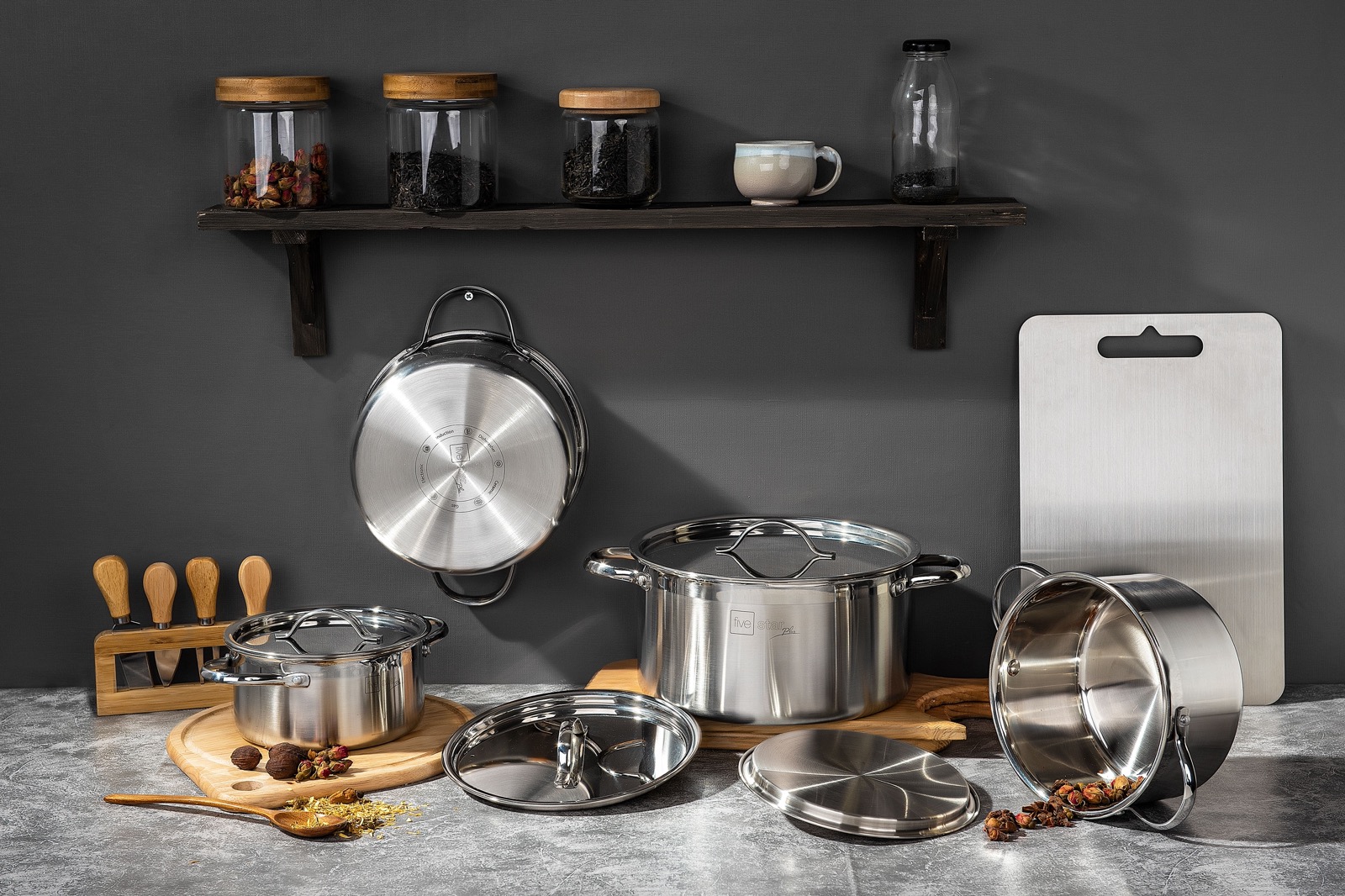
Thin-wall zinc housings, covers, and decorative hardware where fine surface detail and electroplating compatibility are requirements.

Connector and electronics hardware

Connector and electronics hardware

Zinc die castings for connector housings, enclosures, and electronic hardware where dimensional consistency across a high-volume run is required.

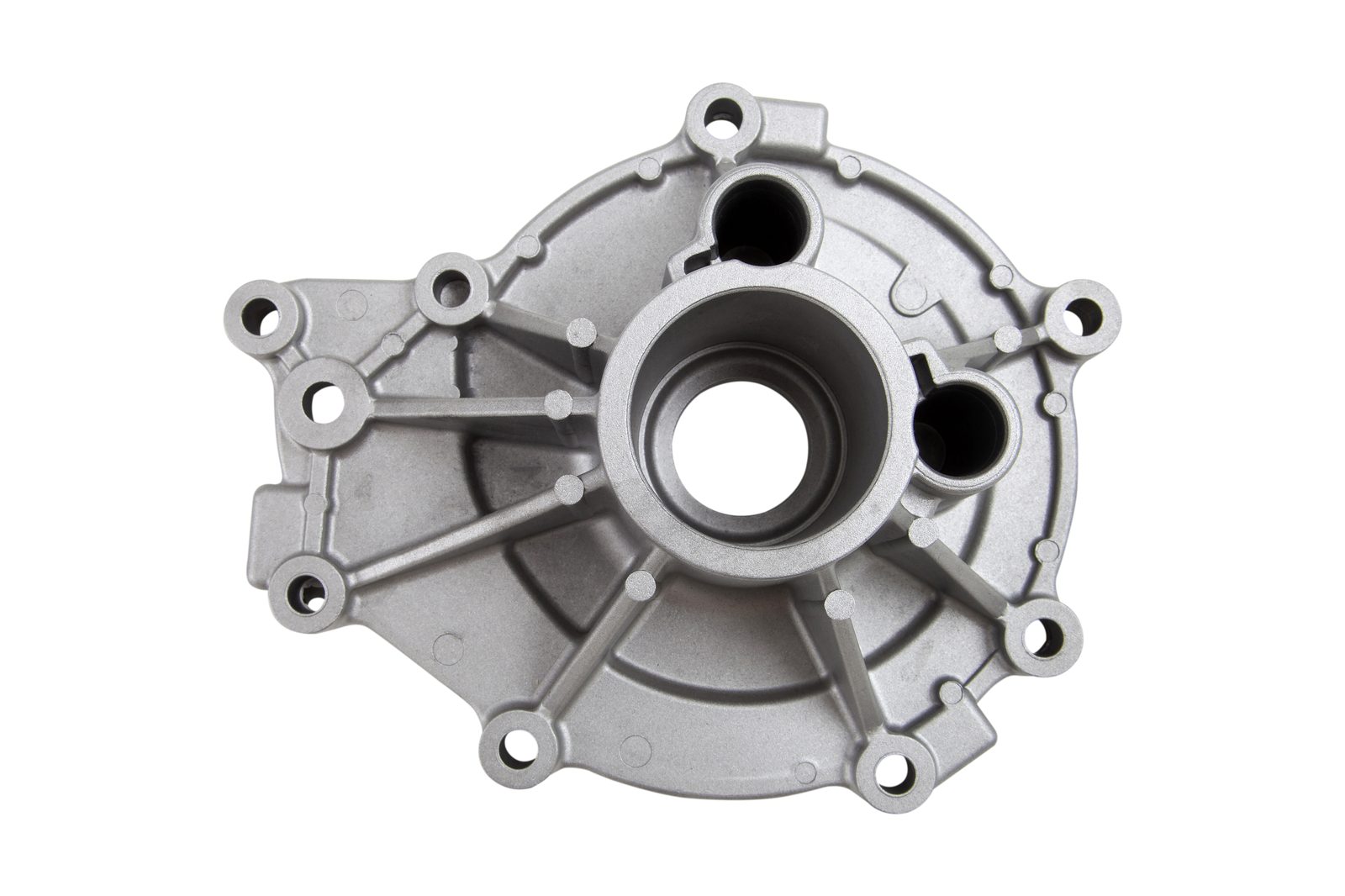
Automotive trim and sub-components

Automotive trim and sub-components

Zinc decorative and functional sub-components for automotive programs where surface finish quality and IATF 16949 documentation are specified.

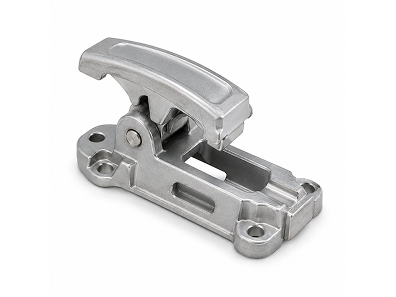
Industrial precision hardware

Industrial precision hardware

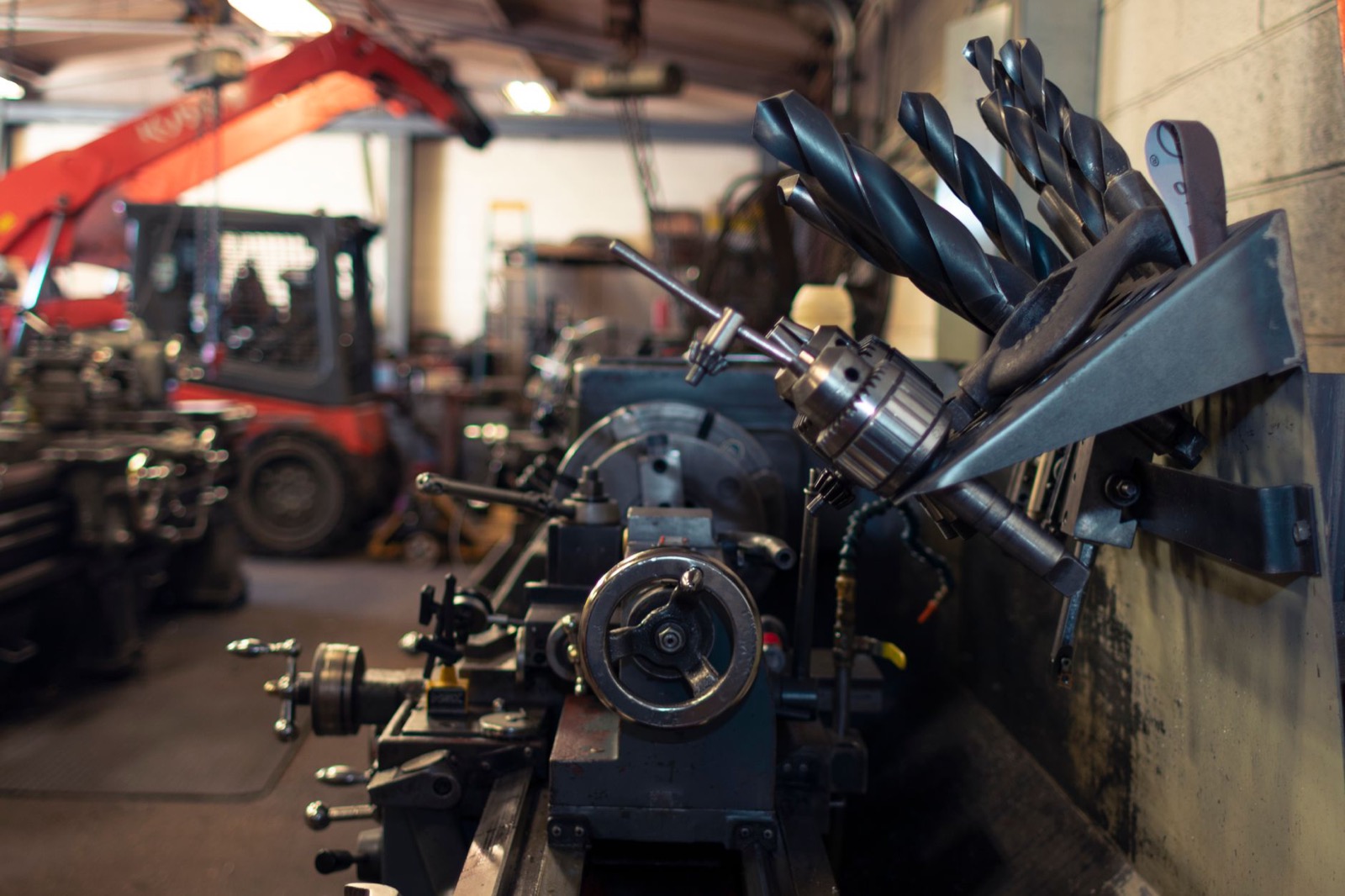
Net-shape zinc parts for mechanical assemblies where long die life and tight wall section control support cost-effective recurring production.

From quote to production

A five-step process, documented at every handoff

From initial drawings to final delivery, Redstone keeps each stage clear, documented, and aligned with production requirements.

Each handoff is documented. No stage moves forward until drawings, materials, and production requirements are confirmed with the customer.

  1. 01

    Submit Your Drawings

    Upload your 3D model or technical drawing with alloy specification and annual volume. Our engineering team reviews geometry for zinc low-pressure suitability, assesses whether hot-chamber or low-pressure casting better serves the program, and quotes accordingly.

  2. 02

    Receive a Quotation

    A detailed quote covering alloy options, tooling cost, unit pricing by volume tier, lead time, and finish options. Tooling, freight, and duties included. One U.S. point of contact, start to finish.

  3. 03

    Tooling and First Article

    Custom dies are designed for controlled low-pressure fill of your zinc part geometry. The first-article run confirms surface quality, wall section consistency, and dimensional results before production release.

  4. 04

    Production Run

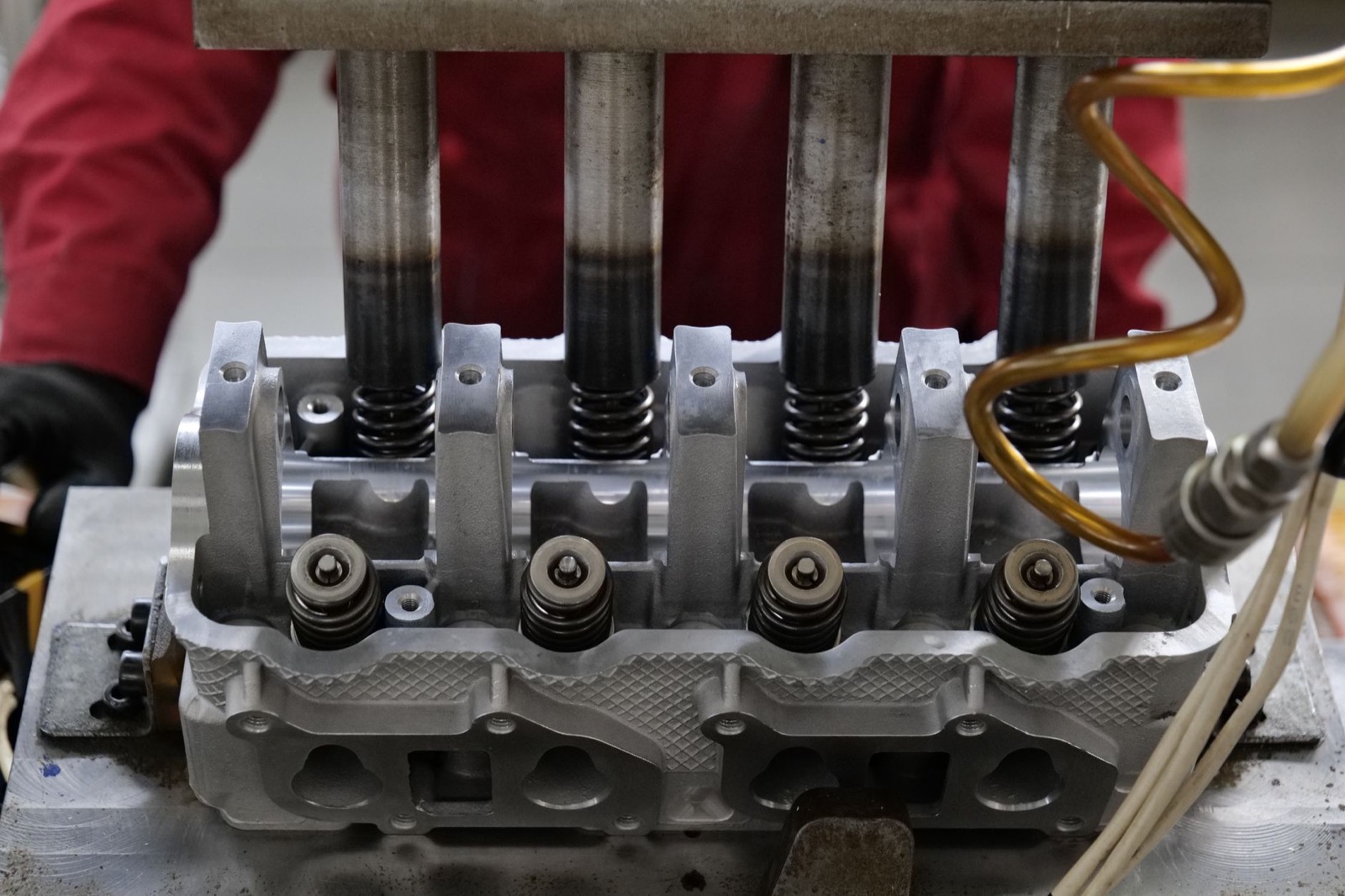
    Molten zinc is fed under controlled pressure up through a riser tube into the die. The controlled fill preserves surface detail and wall section consistency. In-process dimensional checks hold quality across the run. Zinc's low processing temperature supports long die life and consistent shot quality.

  5. 05

    Finishing, Inspection, and Delivery

    Castings are cleaned, deburred, and finished to your specification. Zinc accepts a wide range of surface finishes including electroplating, powder coating, and chromate conversion. Inspection to ISO 9001. Redstone is the importer of record and coordinates freight to your dock with a Certificate of Conformance.

Industries

Industries we cast for

Redstone supports production low-pressure zinc die casting programs for OEMs and engineering-led teams that require repeatable quality, controlled costs, and reliable part production.

  • Automotive

    Automotive

    Production components for automotive Tier 1 and Tier 2 suppliers and specialty OEM programs, run to IATF 16949 in certified facilities with U.S. engineering oversight from quote through delivery.

    • You run automotive components at production volume, not one-off prototypes.
    • Your program needs IATF 16949 quality and audit-ready documentation.
    • You are a Tier 1 or Tier 2 supplier, or a smaller OEM program that wants production-grade quality without a large-OEM minimum-order gate.
  • Electronics

    Electronics

    Production low-pressure zinc die casting components for electronics programs, run to documented quality with U.S. engineering oversight.

    • Recurring production volume
    • Documented dimensional inspection
    • One U.S. point of contact
  • Industrial Equipment

    Industrial Equipment

    Cast, machined, and fabricated components for industrial equipment programs, run to ISO 9001 with U.S. engineering oversight from quote through delivery.

    • You run cast, machined, or fabricated components at production volume, not one-off prototypes.
    • Your equipment operates in demanding service environments.
    • You want to consolidate multiple processes with one supplier and one U.S. point of contact.
  • Consumer Products

    Consumer Products

    Production low-pressure zinc die casting components for consumer products programs, run to documented quality with U.S. engineering oversight.

    • Recurring production volume
    • Documented dimensional inspection
    • One U.S. point of contact
  • Energy

    Energy

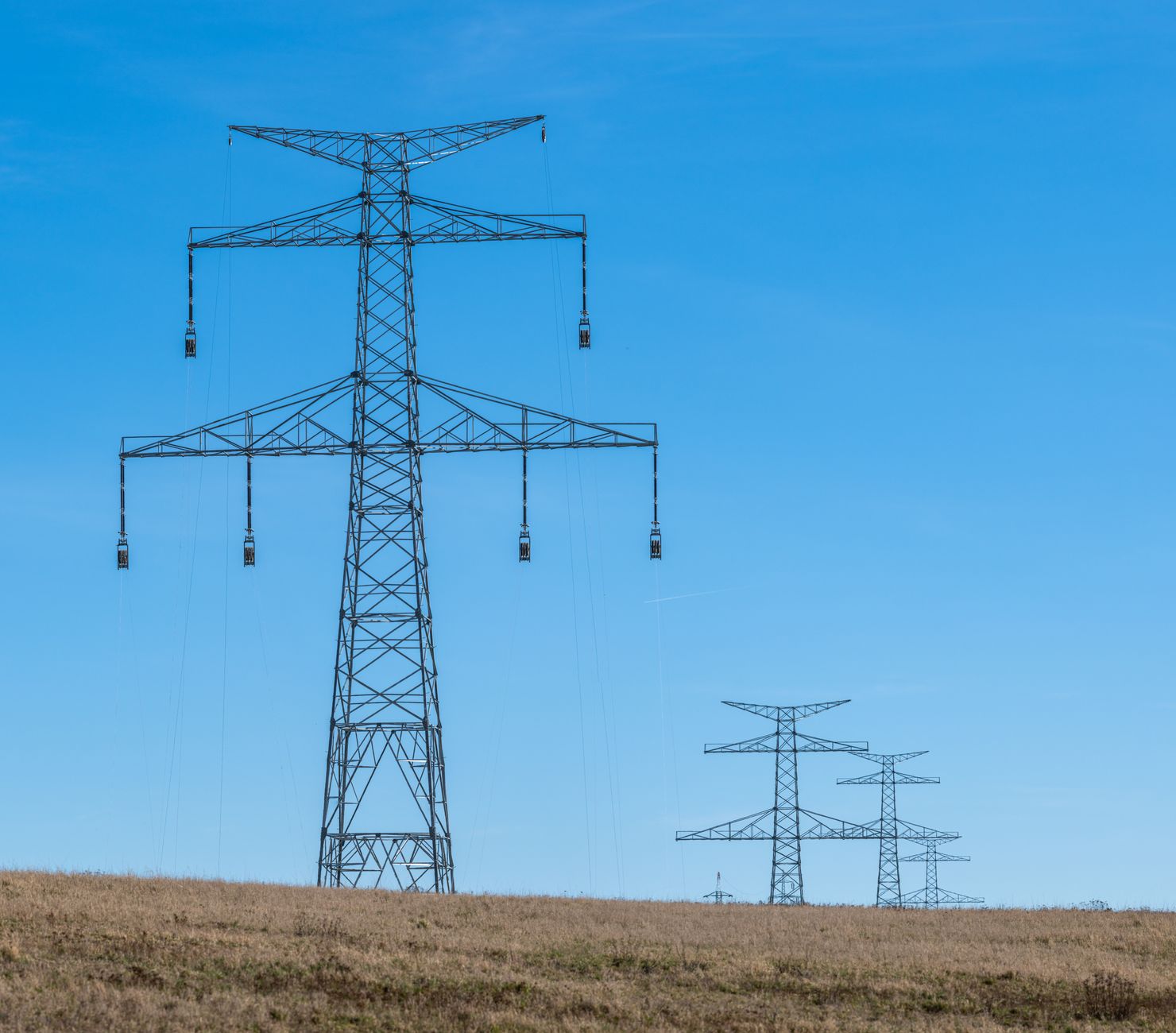
    Production low-pressure zinc die casting components for energy programs, run to documented quality with U.S. engineering oversight.

    • Recurring production volume
    • Documented dimensional inspection
    • One U.S. point of contact

Not sure if low-pressure zinc die casting fits your part?

Final step

Ready to review your part?

Share your drawings, CAD files, or production requirements. Redstone will review feasibility, materials, tolerances, lead time, and the best manufacturing path for your program.

  • ISO 9001 and IATF 16949 certified facilities
  • U.S.-based engineering support
  • Quote reviewed within 24 hours
  • Production support across Redstone’s facilities in the U.S., Mexico, and China
Resources

From the engineering desk

Visit the Resource Hub

Frequently asked questions

Don’t see your question? Request a quote and our engineering team will answer it.

What is the difference between low-pressure and hot-chamber zinc die casting?

Hot-chamber die casting keeps the zinc molten in a reservoir integrated with the casting machine and injects it at higher velocity and pressure, which is well suited to high-throughput, thin-wall parts at volume. Low-pressure casting applies controlled, lower pressure through a riser tube to fill the die more slowly from the bottom up. That controlled fill produces more consistent surface finish and wall section on parts where turbulence in standard hot-chamber casting has caused quality issues. Redstone's engineering team recommends the right process at the feasibility review.

What zinc alloys does Redstone use?

Zamak alloys, including Zamak 3 and Zamak 5, are the most common. Other zinc alloy systems can be reviewed on a per-program basis. The specific alloy is selected based on your mechanical property requirements and casting geometry, and confirmed at the technical feasibility review.

Why does zinc offer longer tool life than aluminum?

Zinc melts and processes at significantly lower temperatures than aluminum. Lower casting temperatures cause less thermal stress on the die steel, which extends die life and reduces retooling frequency on recurring production programs. That translates to lower amortized tooling cost per part over a program's life.

What surface finishes are compatible with zinc low-pressure castings?

Zinc accepts a wide range of finishes: electroplating in chrome, nickel, or zinc; powder coating; chromate conversion coating; bead blasting; and painting. Low-pressure casting's controlled fill supports finer surface preparation for plating-critical programs. Finish confirmation is part of the feasibility review.

What are your standard lead times?

Standard production lead time is 4 to 8 weeks from approved tooling. Tooling and first-article timing are confirmed at the quote stage. Rush programs can be reviewed case by case.