





Drawing / DFM Quote / RFQ Tooling / Die Casting / Pour CNC Machining Finishing Inspection / Caliper NDT / X-ray Shipping Customs / Import Lead Time One U.S. Contact Quality Assured ISO 9001 Certified Certificate of Conformance Audit Ready Hardness / NDT Quality Cost / Landed Fit U.S. Managed Die Casting Sand Casting CNC Machining Sheet Metal Metal Injection Molding Investment Casting Automotive Medical Defense Heavy Machinery Industrial Equipment Oil & Gas Construction Agriculture Energy Aerospace Alloy / Metal

High-Quality Metal Finishing Services

Metal finishing including electroplating, anodizing, powder coating, and chemical conversion, applied to precision components from ISO 9001 certified facilities. One U.S. contact from quote through delivery.

Trusted by Programs across Tier 1 suppliers, Fortune 500 OEMs & hardware startups
  • Honda
  • Libman
  • Mahindra
  • Meyer
  • MIT
  • Amazon
  • Bloom Energy
  • Circor
  • Halliburton
  • Honda
High-Quality Metal Finishing capabilities

Technical Capabilities

Review core high-quality metal finishing capabilities, materials, tolerances, inspection methods, and production requirements before requesting a quote.

Production envelope · Verified
Fabrication and finishing under one roof
01
Integrated
Electroplate configurations
02
Rack + barrel
Defense coatings available
03
MIL-SPEC
Materials
Process
Request a Quote

See Our Process Or same-day technical feasibility review

Production specifications

Electroplating
Nickel, chrome, zinc, or copper for conductivity or corrosion resistance; rack and barrel configurations
Anodizing
Durable anodized oxide layer for hardness and chemical resistance on aluminum
Powder coating
Even, durable coating with color options and adhesion across complex geometries
Chemical conversion
Chromate and black oxide treatments for corrosion protection on steel and aluminum
E-coat
Uniform coverage on intricate parts where standard spray methods fall short
Passivation
Removes free iron from stainless steel surfaces to restore corrosion resistance
Substrates
Aluminum, steel, stainless steel, and other metals; confirmed at the feasibility review
Inspection
Adhesion testing and dimensional review of thickness and uniformity
Documentation
FAI reports and material certifications with each batch; MIL-SPEC coatings available
Certifications
ISO 9001
Standard lead time
4-8 weeks

Production Process

01 DFM Review
02 Tooling
03 First Articles
04 Production
Next step

Ready for technical review?

Share your part details, drawings, or CAD files. Redstone will review the requirements and confirm feasibility, tolerances, materials, lead time, and next steps.

  • Feasibility review based on your drawing or CAD file
  • Material, tolerance, and production requirements confirmed
  • Quote reviewed within 24 hours
Get started Request a Quote or Talk to an Engineer

Final specifications are confirmed during the technical feasibility review.

Why Redstone

Quality, cost, and a clear fit

Redstone helps hardware teams move from released drawings to repeat production with documented quality, competitive unit costs, and engineering support from the U.S.

  • ISO 9001 certified facilities
  • U.S.-based engineering support
  • Direct manufacturing partner
Quality

Verified thickness and adhesion, every batch

Every metal finishing job runs to ISO 9001, with adhesion testing and dimensional review to verify thickness and uniformity before parts ship. Each batch leaves with First Article Inspection reports and material certifications, so the documentation a customer quality audit expects travels with the parts.

  • ISO 9001 certified facilities
  • Adhesion testing on every batch
  • Dimensional review of thickness and uniformity
  • FAI reports and material certifications with each batch
Cost

Cost driven by material, finish, and volume

Finishing cost depends on the base material, the deposited metal or treatment, part geometry, and production volume. Nickel and zinc plating typically run lower than chrome. We quote on landed cost, with freight and duties in the number before you see it, and finishing applied to parts we already make keeps handoffs and lead time down.

  • Pricing by base material, treatment, and volume
  • Nickel and zinc typically lower than chrome
  • Freight and duties quoted up front
  • No offshore quote desk between you and the line
Fit

Is this a fit?

A finish delivers value when parts need corrosion or oxidation resistance, enhanced electrical conductivity, improved wear resistance, a specific appearance, or chemical resistance for harsh environments. If you are ordering castings, machined parts, or fabricated components at production volume, finishing is an integrated step handled in the same production network.

  • Corrosion, oxidation, and wear resistance
  • Electrical conductivity or chemical resistance
  • Specific color or aesthetic requirements
  • Castings, machined, and fabricated parts at volume
Parts built for production

What we produce

Redstone supports production metal parts across automotive, electronics, industrial equipment, and consumer hardware programs.

Defense components

Defense components

Coatings meeting MIL-SPEC requirements for defense hardware, applied and documented to the standard the program requires.

Medical parts

Medical parts

Biocompatible finishes for precision castings and machined medical components held to strict surface and dimensional requirements.

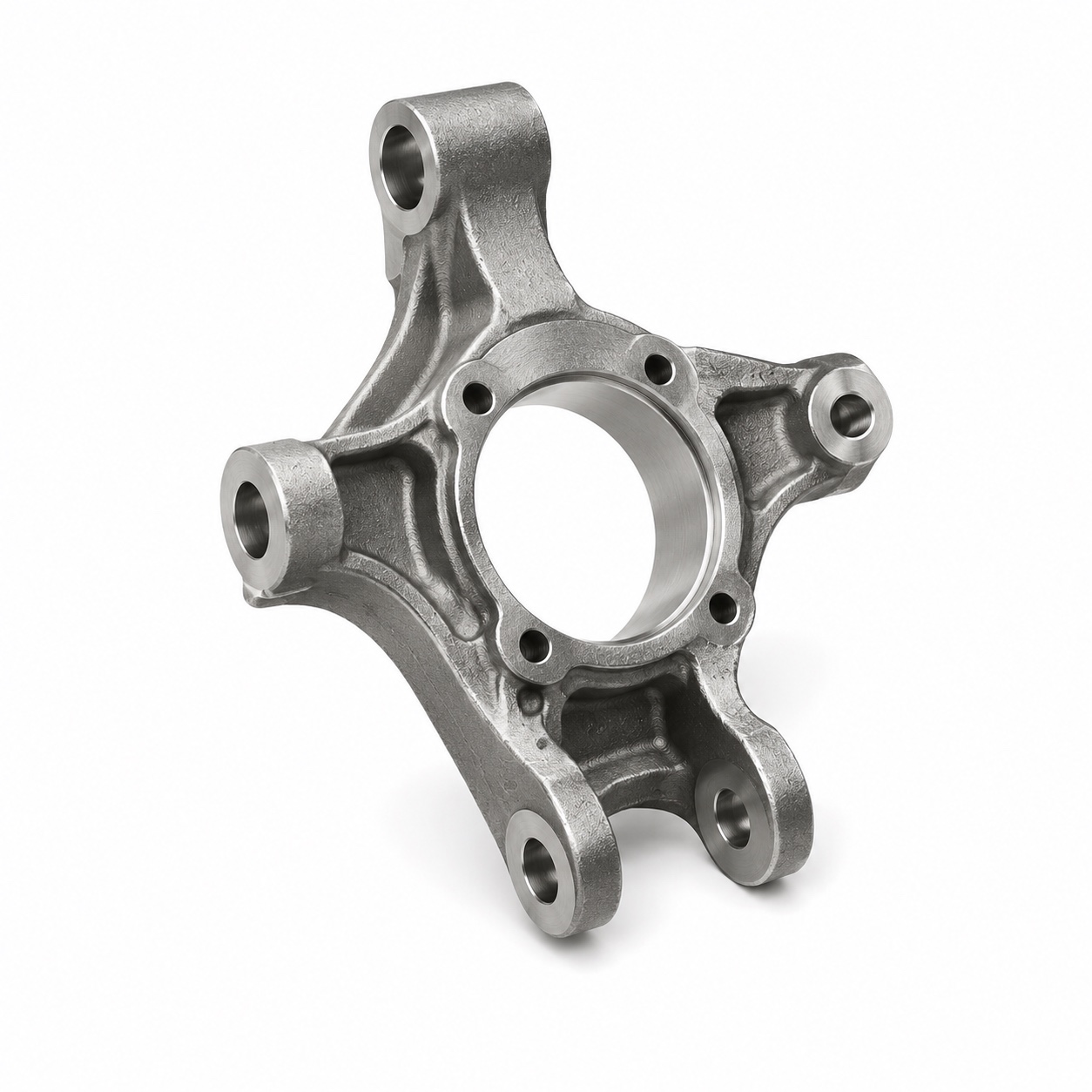
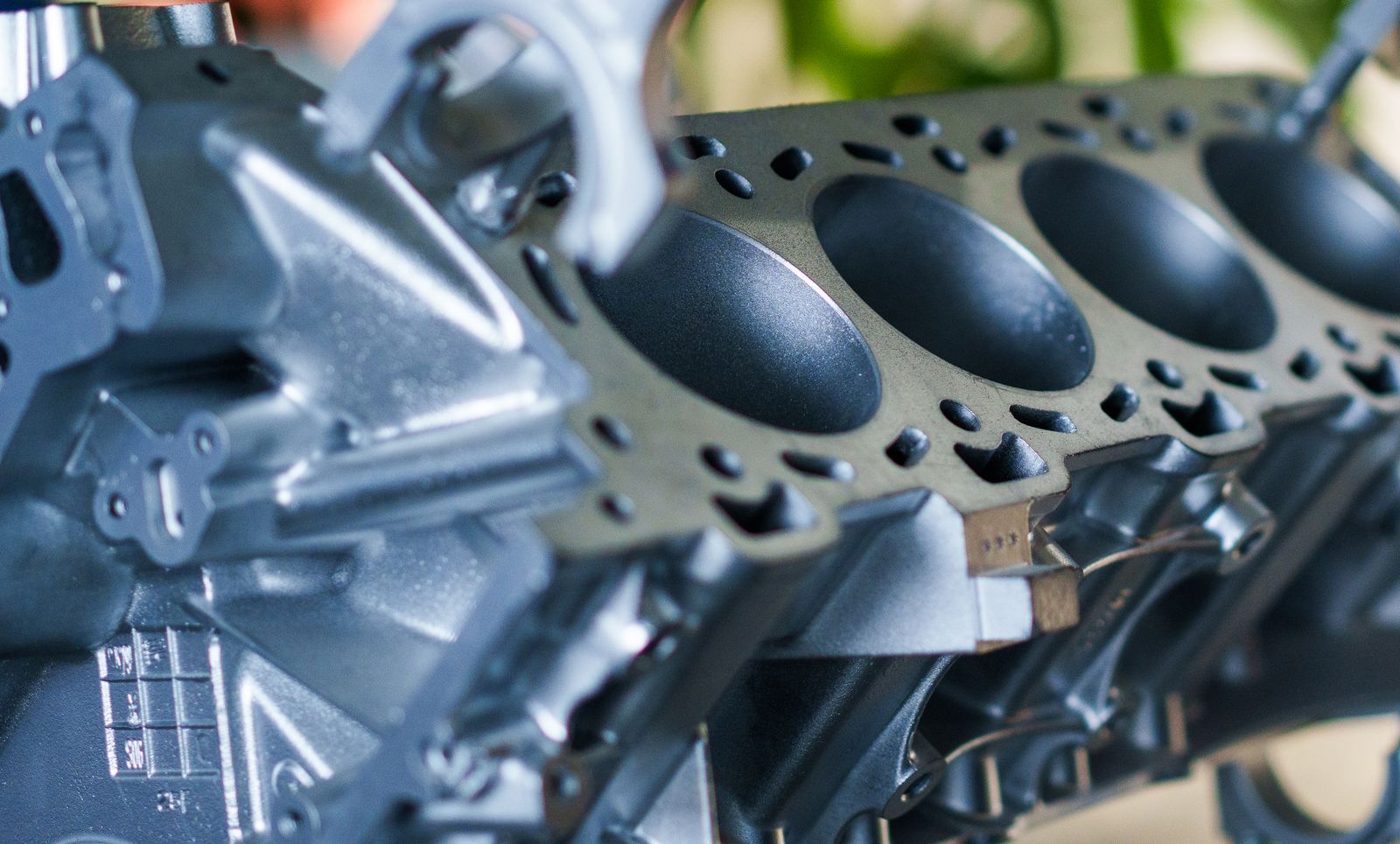
Automotive drivetrain components

Automotive drivetrain components

High-volume plating and coating for engine and drivetrain components that must resist corrosion and wear in service.

Industrial equipment

Industrial equipment

Protective layers for heavy-duty machinery, including enclosures from our sheet metal fabrication, coated for corrosion resistance.

From quote to production

A five-step process, documented at every handoff

From initial drawings to final delivery, Redstone keeps each stage clear, documented, and aligned with production requirements.

Each handoff is documented. No stage moves forward until drawings, materials, and production requirements are confirmed with the customer.

  1. 01

    Submit Your Specification

    Upload your CAD files or drawings with the base material, desired treatment type, required coating thickness, and annual volume. Our quality team evaluates each project by material, operating environment, and dimensional requirements.

  2. 02

    Receive a Quotation

    A detailed quote covering the treatment, preparation, inspection, lead time, and landed cost with freight and duties included. One U.S. point of contact, start to finish.

  3. 03

    Preparation

    Parts are cleaned, degreased, and inspected before treatment to promote adhesion and a uniform result.

  4. 04

    Application

    The coating is applied through electroplating, oxide treatment, powder coating, or chemical conversion, selected for your material and operating environment.

  5. 05

    Inspection and Documentation

    Components undergo adhesion testing and dimensional review to verify thickness and uniformity. Each batch ships with FAI reports and material certifications, and we coordinate freight to your dock as the importer of record.

Industries

Industries we finish for

Redstone supports production high-quality metal finishing programs for OEMs and engineering-led teams that require repeatable quality, controlled costs, and reliable part production.

  • Defense

    Defense

    Machined and cast components for commercial firearms programs, run to ISO 9001 in certified facilities with full material traceability and U.S. engineering oversight from quote through delivery.

    • You run firearms components at production volume, not one-off prototypes.
    • Your parts have safety-critical, tight-tolerance features that need documented inspection.
    • You work from released drawings and need audit-ready quality documentation and material traceability.
  • Medical

    Medical

    Precision-machined components for medical device and instrument programs, run to ISO 9001 in certified facilities with material traceability and U.S. engineering oversight from quote through delivery.

    • You run precision machined components at production volume, not one-off prototypes.
    • Your program needs material traceability and audit-ready quality documentation.
    • You produce components for medical devices, instruments, or equipment, working from released drawings.
  • Automotive

    Automotive

    Production components for automotive Tier 1 and Tier 2 suppliers and specialty OEM programs, run to IATF 16949 in certified facilities with U.S. engineering oversight from quote through delivery.

    • You run automotive components at production volume, not one-off prototypes.
    • Your program needs IATF 16949 quality and audit-ready documentation.
    • You are a Tier 1 or Tier 2 supplier, or a smaller OEM program that wants production-grade quality without a large-OEM minimum-order gate.
  • Industrial Equipment

    Industrial Equipment

    Cast, machined, and fabricated components for industrial equipment programs, run to ISO 9001 with U.S. engineering oversight from quote through delivery.

    • You run cast, machined, or fabricated components at production volume, not one-off prototypes.
    • Your equipment operates in demanding service environments.
    • You want to consolidate multiple processes with one supplier and one U.S. point of contact.
  • Electronics

    Electronics

    Production high-quality metal finishing components for electronics programs, run to documented quality with U.S. engineering oversight.

    • Recurring production volume
    • Documented dimensional inspection
    • One U.S. point of contact
  • Energy

    Energy

    Production high-quality metal finishing components for energy programs, run to documented quality with U.S. engineering oversight.

    • Recurring production volume
    • Documented dimensional inspection
    • One U.S. point of contact

Not sure if high-quality metal finishing fits your part?

Final step

Ready to review your part?

Share your drawings, CAD files, or production requirements. Redstone will review feasibility, materials, tolerances, lead time, and the best manufacturing path for your program.

  • ISO 9001 and IATF 16949 certified facilities
  • U.S.-based engineering support
  • Quote reviewed within 24 hours
  • Production support across Redstone’s facilities in the U.S., Mexico, and China
Resources

From the engineering desk

Visit the Resource Hub

Frequently asked questions

Don’t see your question? Request a quote and our engineering team will answer it.

What are the three types of metal finishing?

The three broad categories are electroplating, chemical or conversion coatings, and mechanical finishing. Electroplating deposits a metal layer for conductivity or corrosion resistance. Chemical treatments such as anodizing and chromate conversion alter the surface through chemical reactions. Mechanical methods such as polishing and bead blasting modify texture without adding material.

How much does electroplating cost?

Cost depends on the base material, deposited metal, part geometry, and production volume. Nickel and zinc options typically run lower than chrome or gold. We provide detailed quotes based on your CAD files and volume requirements.

What are the disadvantages of metal finishing?

Surface treatments add processing time and cost to a production run. Some coatings require controlled environmental conditions during application, and improper preparation can lead to adhesion failure. Selecting the right finish for your operating environment eliminates most risks, and our verification process includes adhesion testing and dimensional inspection on every batch to catch issues before shipment.

What coating and treatment options do you offer?

We offer electroplating (nickel, chrome, zinc, copper in rack and barrel), anodizing, powder coating, chemical conversion including chromate and black oxide, e-coat, and passivation. The right treatment is selected for your material, operating environment, and dimensional requirements at the feasibility review.

What information do you need for a quote?

We need your CAD files or drawings, the base material specification, the desired treatment type, required coating thickness, and annual volume. Upload your design files to start, and our team reviews initial feasibility.

Can finishing be combined with fabrication?

Yes. Fabrication and treatment run in the same production network, which gives you a single point of accountability from raw material to completed part and removes the need to coordinate a separate finisher. Most customers ordering castings, machined parts, or fabricated components add a finish to the same run.

How does coating thickness affect part dimensions?

Coatings add material to every surface they contact, and anodizing and electrodeposition are the most common causes of tolerance issues: a bore sized exactly to print before coating may be undersized after. The fix starts at the drawing review stage. Either mask the feature to keep it bare, remove the coating requirement if it serves no function on that area, or adjust hole sizing to account for build-up before production begins. Our quality team reviews every drawing for assembly-critical features before the coating process starts.

Why does powder coat color vary between batches?

Color variation usually traces back to two problems: relying on a RAL or Pantone code without a physical reference sample, and inconsistent pretreatment before coating. RAL and Pantone codes do not always translate exactly across different facilities. We ask for a physical sample, define the acceptable shade range, and approve pre-production color samples before the full run, with a color-match report documenting the approved shade range, so full-lot color mismatches never reach you.

What is the difference between Type II and Type III anodizing?

Type II anodizing produces a thinner oxide layer suited for corrosion resistance and cosmetic appearance. Type III, often called hardcoat, builds a much thicker layer for wear resistance and hardness. The greater build-up of Type III requires tighter hole-sizing adjustments at the design stage, so selecting a type without accounting for thickness can cause assembly problems on precision features.